


fungal acne treatment, fungal acne treatment, fungal acne treatment, fungal acne treatment, fungal acne treatment, Cystic Ance, Cystic Ance, Cystic Ance, Cystic Ance, body whiteheads, body whiteheads, body whiteheads, body whiteheads, body whiteheads, body whiteheads
What is Body Acne Treatment?
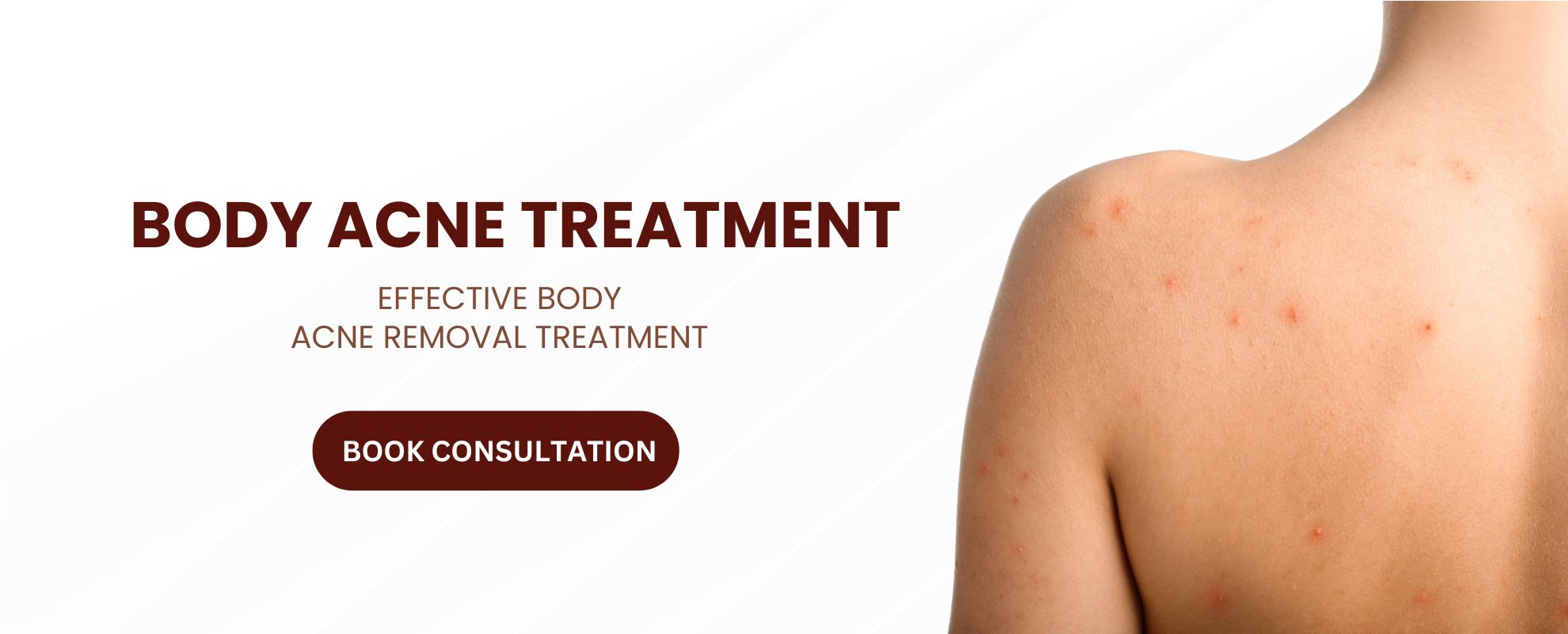
Body acne treatment in Pune refers to medical and dermatological procedures designed to treat acne that appears on areas like the back, chest, shoulders, buttocks, and upper arms. Just like facial acne, body acne is caused by clogged pores, excess oil, bacteria, sweat, and hormonal changes. At a skin clinic, body acne treatment usually includes:
- Deep cleansing and exfoliating treatments
- Chemical peels to unclog pores and reduce marks
- Medical creams or oral medications
- Laser or light-based therapies
- Oil-control and bacteria-reducing treatments
- Personalized skincare routines
The goal of body acne treatment is to reduce breakouts, prevent future flare-ups, heal inflammation, and improve overall skin texture and clarity.
What Are the Types of Body Acne?
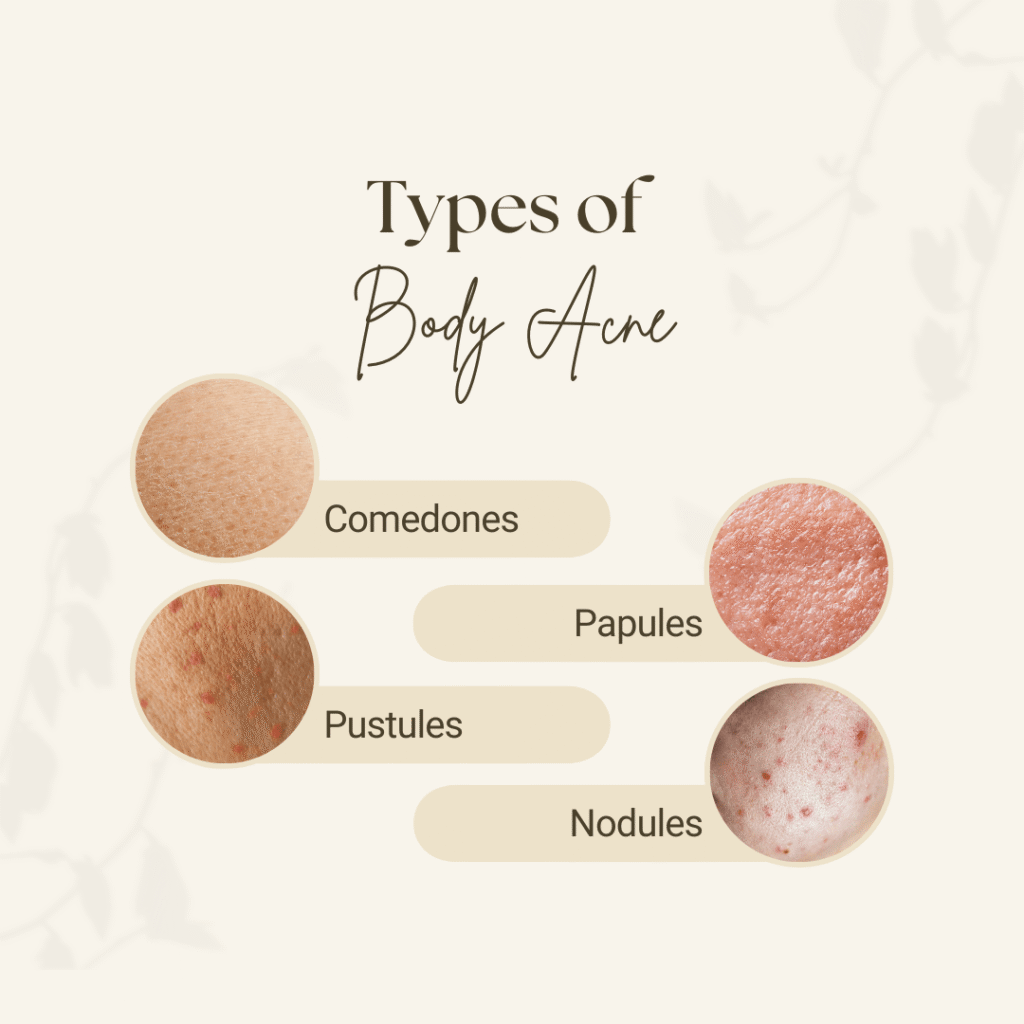
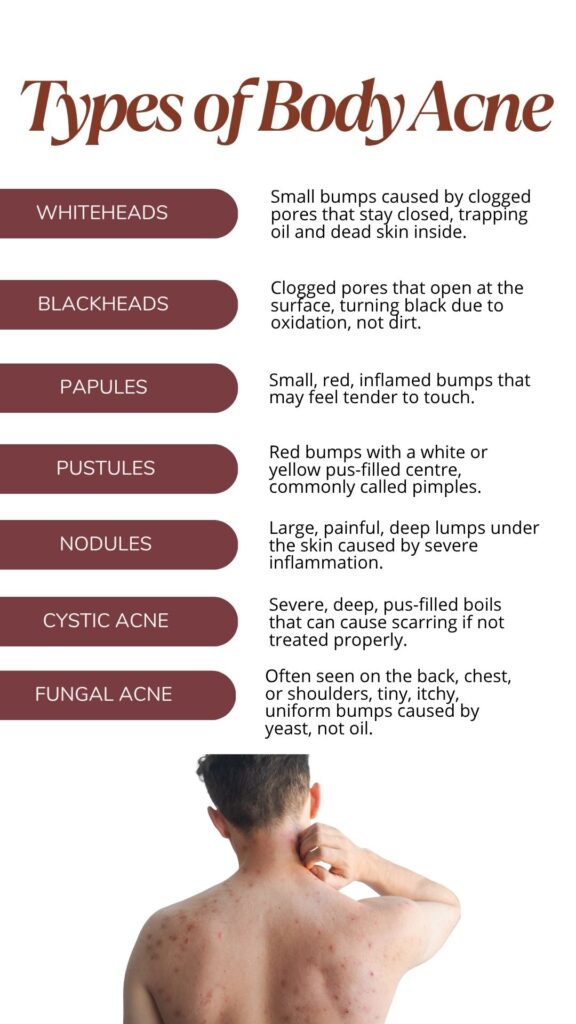
- Whiteheads (Closed Comedones): Whiteheads occur when pores get clogged with oil, sweat, and dead skin cells and stay closed on the surface.
Appearance: Small, white or flesh-colored bumps.
Common Areas: Back, shoulders, chest, upper arms. - Blackheads (Open Comedones): Blackheads form when clogged pores remain open, and the trapped oil oxidizes, turning dark.
Appearance: Small black spots on the skin.
Common Areas: Back, chest, shoulders. - Papules: Papules are inflamed, red bumps caused by irritation or bacterial buildup in the pores.
Appearance: Small, tender, red bumps without pus.
Common Areas: Shoulders, upper back, chest. - Pustules: Pustules are similar to papules but contain pus due to deeper inflammation.
Appearance: Red bumps with a white or yellow centre.
Common Areas: Back, chest, shoulders, arms. - Nodules: Nodules are severe, painful acne lesions formed deep within the skin due to intense inflammation.
Appearance: Large, hard, painful lumps under the skin.
Common Areas: Back, shoulders, buttocks. - Cystic Acne: Cystic acne is the most severe form of body acne, caused by deep infections and inflammation.
Appearance: Large, soft, pus-filled cysts that may leave scars.
Common Areas: Back (“bacne”), shoulders, chest, buttocks, and arms. - Fungal Acne (Malassezia Folliculitis): Fungal acne occurs when yeast (not bacteria) infects the hair follicles, often triggered by sweat, humidity, or tight clothing.
Appearance: Small, uniform, itchy bumps that may look like pimples.
Common Areas: Upper back, shoulders, chest, neck, and arms.
Popular Treatments for Body Acne
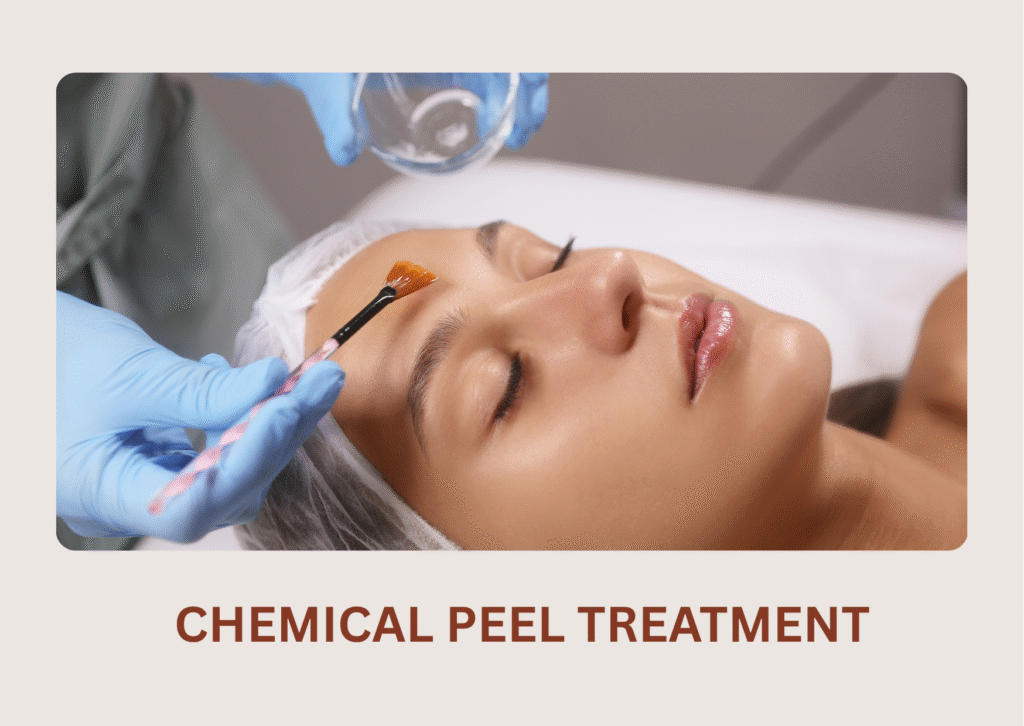
Gentle exfoliating peels with salicylic acid or glycolic acid help remove dead skin buildup, unclog pores, and reduce acne-causing bacteria.
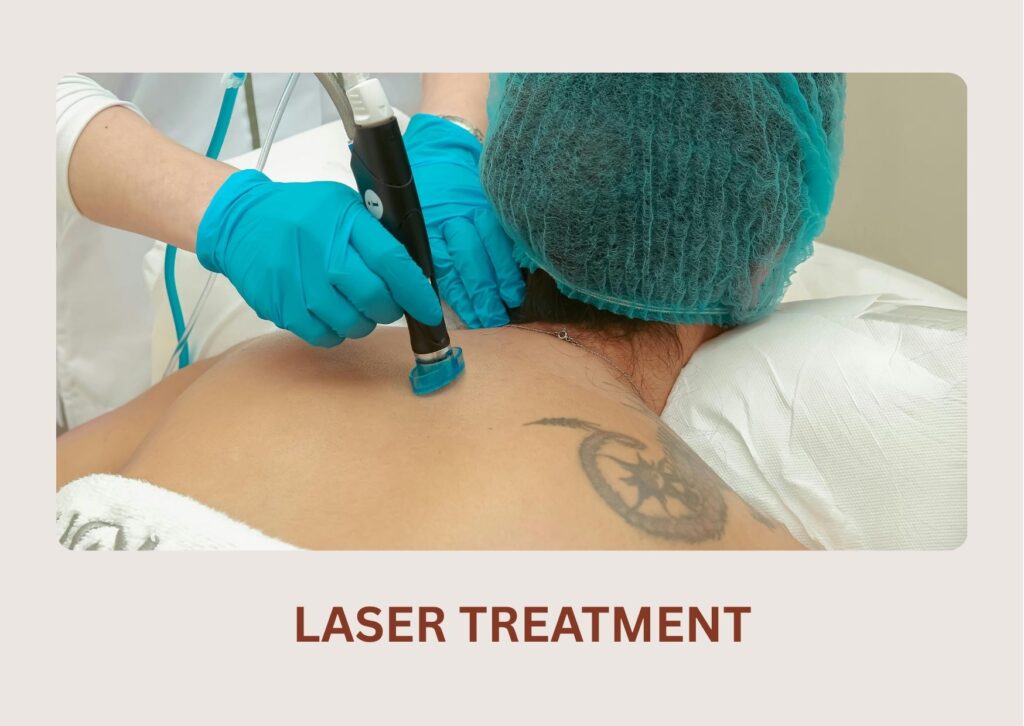
Advanced laser therapy targets acne-causing bacteria, controls excess oil production, and reduces deep inflammation.
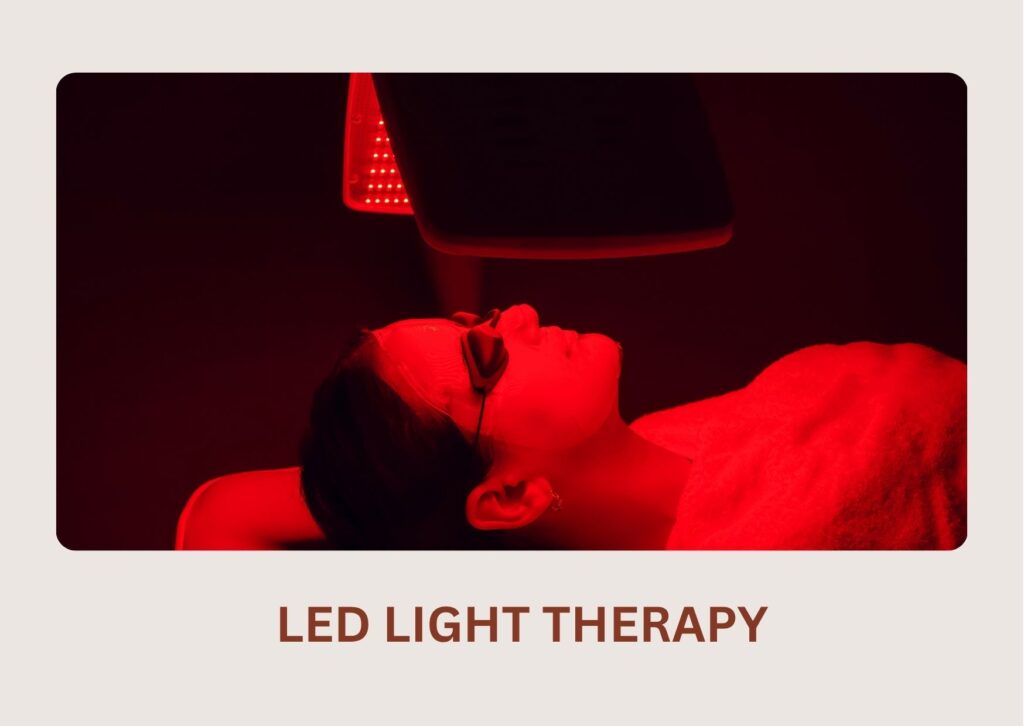
Blue and red light therapy works by killing acne-causing bacteria, calming inflammation, and preventing future breakouts.
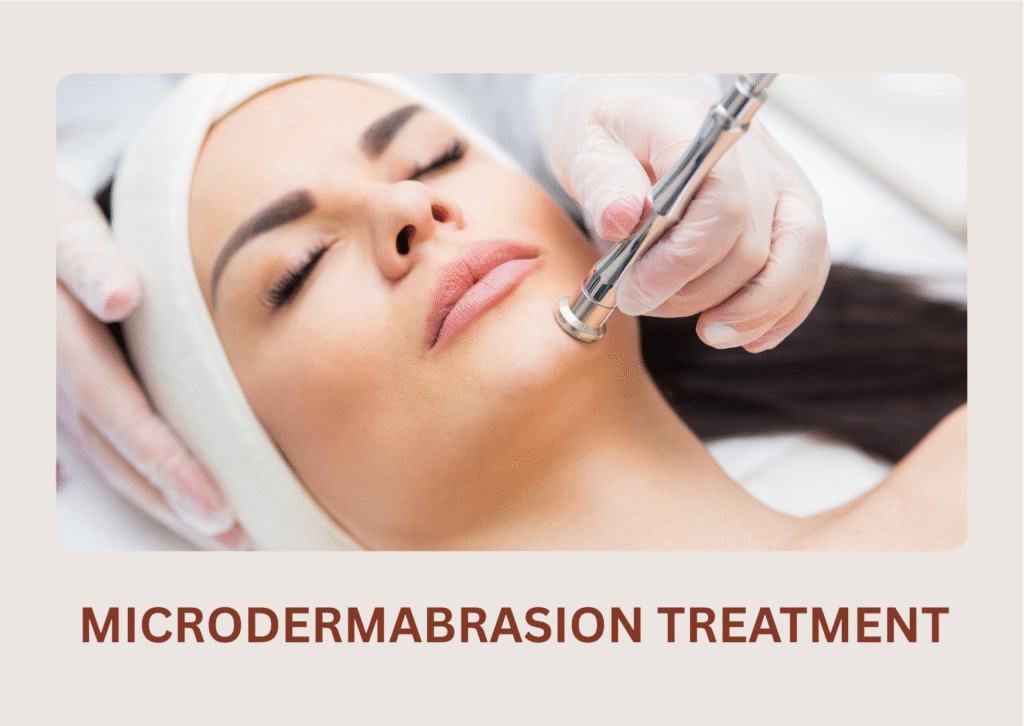
This gentle exfoliation treatment removes dead skin layers, improves skin texture and tone, and helps unclog blocked pores.
Benefits of Body Acne Treatment
Experience the transformative benefits of expert acne treatment at Urban Skin and Hair Clinic:
- Clears active body acne by targeting bacteria, unclogging pores, and reducing new pimple formation for smoother skin.
- Prevents future breakouts with regular exfoliation and oil control that keeps pores clean and balanced.
- Reduces inflammation, bumps, and acne scars, soothing irritated skin and fading dark spots caused by past acne.
- Improves skin texture on the back, chest, and shoulders, leaving it softer, clearer, and more even-toned.
- Minimizes pore congestion and excess oil, controlling sebum production and keeping skin fresh and healthy.
- Boosts confidence to wear open or sleeveless outfits without worrying about visible acne or marks.
Pre and Post Treatment Care
Pre-Treatment Care
- Avoid using body scrubs or exfoliators 2–3 days before the treatment.
- Do not apply any body lotions, oils, or heavy moisturizers on the treatment day.
- Avoid sun exposure or tanning on the back, chest, or shoulders for at least 48 hours.
- Wear loose, comfortable clothing to prevent friction on acne-prone areas.
- If you're on any medication, inform the dermatologist before starting treatment.
Post-Treatment Care
- Avoid hot showers, steam, or sauna for 24–48 hours.
- Do not exfoliate or use harsh body scrubs for 3–5 days.
- Wear breathable, loose cotton clothes to avoid irritation.
- Avoid gym workouts, sweating, or swimming for 24–48 hours.
- Use the prescribed medicated body wash, creams, or lotions as instructed by your dermatologist.
How Treatment Cost Is Decided
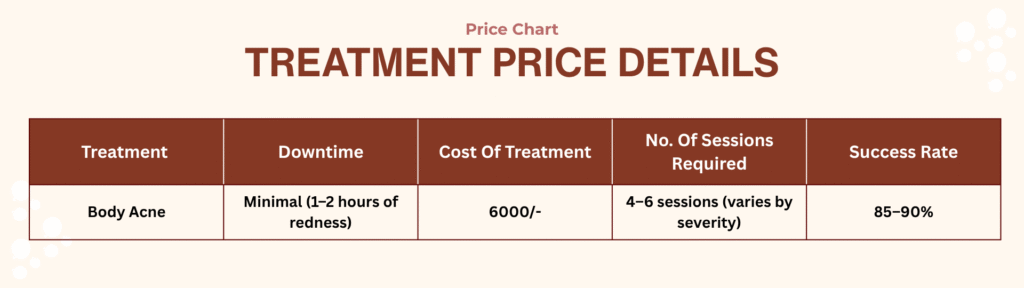
The cost of treatment in Pune depends on several factors, including your skin condition, treatment type, intensity, and the number of sessions required. At Urban Skin and Hair Clinic, we offer customised acne treatment in Pune tailored to your specific concerns and goals.
As every individual’s skin is unique, the final pricing is personalised to ensure safe, effective, and result-driven care at a trusted skin clinic in Pune.
- Severity of the Condition
- Type of Treatment Recommended
- Number of Sessions Required
- Technology & Equipment Used
- Doctor’s Expertise & Clinic Standard
- Customisation of the Treatment Plan
- Area/Extent of Treatment
Get An Appointment
How Body Acne Treatment Works at Urban Skin and Hair Clinic
1. Consultation
Detailed skin analysis to identify acne type and root cause.
2. Treatment Plan
Personalized acne care plan tailored to your skin condition and severity.
3. Procedure
Safe, advanced techniques performed with precision for clear results.
4. Aftercare
Step-by-step skincare guidance to maintain healthy, acne-free skin.
What Causes Body Acne?
Body acne occurs when excess oil, sweat, and dead skin cells clog pores, leading to inflammation and breakouts. Factors like tight clothing, friction, hormones, stress, and poor hygiene worsen the condition, especially on the back, chest, and shoulders.
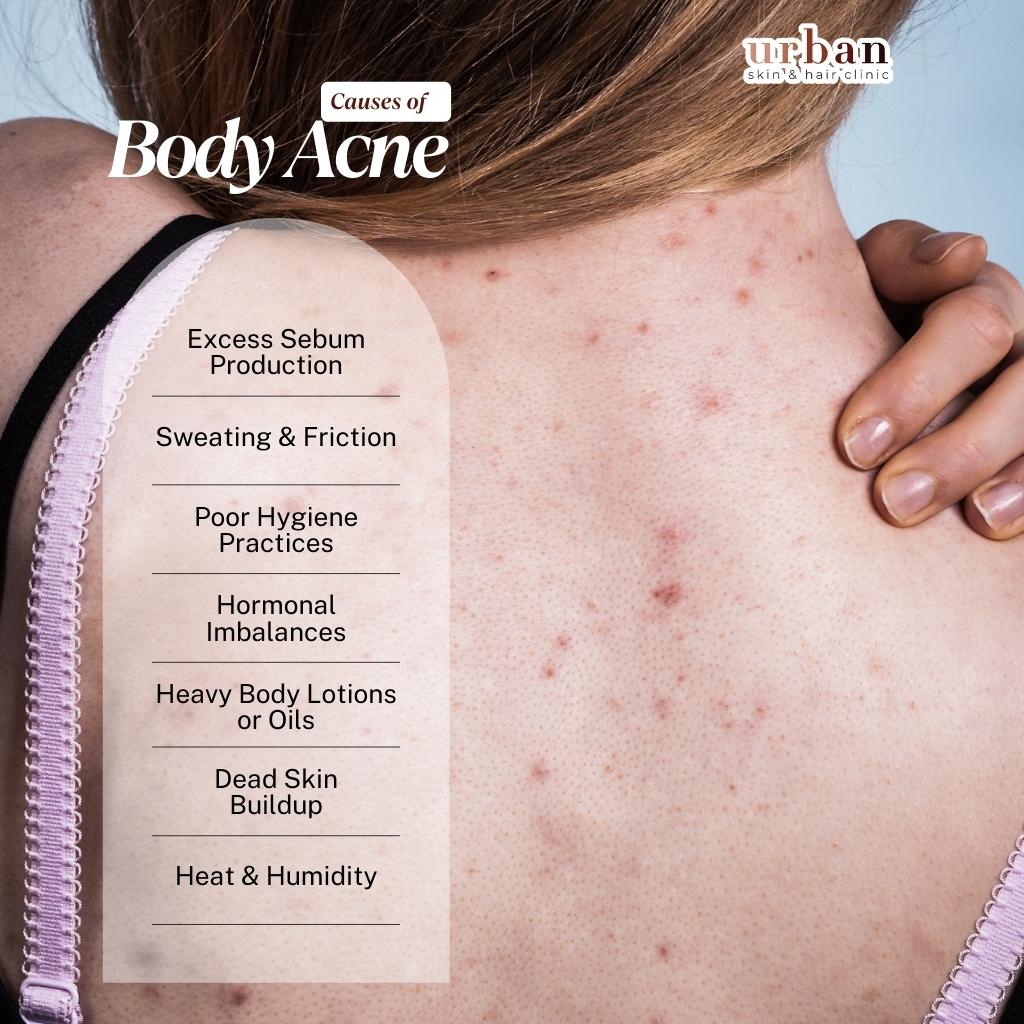
Causes of Body Acne
- Excess Sebum Production: Overactive oil glands in the body can block pores and trigger acne.
- Sweating & Friction: Tight clothing, gym wear, or backpacks can irritate skin and cause sweat buildup.
- Poor Hygiene Practices: Not cleansing the skin properly after sweating or wearing the same clothes repeatedly.
- Hormonal Imbalances: Especially during puberty, PCOS, or due to anabolic steroid use in males.
- Use of Heavy Body Lotions or Oils: These can clog body pores and worsen breakouts.
- Dead Skin Buildup: Without exfoliation, dead cells accumulate and clog follicles.
- Heat & Humidity: Warmer climates make the body sweat more, encouraging acne-causing bacteria.
Why Urban Skin and Hair Clinic

TEAM OF CERTIFIED DERMATOLOGISTS

US-FDA APPROVED EQUIPMENTS

HIGHLY STANDARDISED PROTOCOLS

1 LAKH + HAPPY CLIENTS
Consult a Specialist Today
Dr. Kiran Chotaliya, M.D., Dermatology & Hair Transplant Surgeon, is committed to providing the best skincare solutions for her patients. With her expertise in advanced skincare treatments, she ensures that every HydraFacial session is customized to meet your unique skin needs, providing visible and long-lasting results.
Body Acne Treatment FAQ
Yes, body skin is thicker and often exposed to more friction and sweat, making the acne harder to treat without targeted solutions.
Many patients start seeing improvement in 2–4 weeks, depending on severity and consistency of care.
Yes! In fact, we’ll help you create a post-workout skincare routine to prevent breakouts.
Yes, treatments like CO2 laser and micro needling help lighten scars and improve skin texture.
The best way to treat body acne is through consistent skincare and professional treatments. Regular exfoliation, gentle cleansers, and wearing loose clothing help prevent breakouts. For lasting results, dermatologists recommend treatments like chemical peels, laser therapy, or medicated body facials to clear active acne and prevent future flare-ups.
Body Acne Treatment Benefits
- Clears active body acne and prevents future breakouts.
- Reduces inflammation, bumps, and acne scars.
- Improves skin texture on back, chest, and shoulders.
- Minimizes pore congestion and excess oil.
- Boosts confidence in wearing open or sleeveless outfits.
Body Acne Treatment Before-After Results
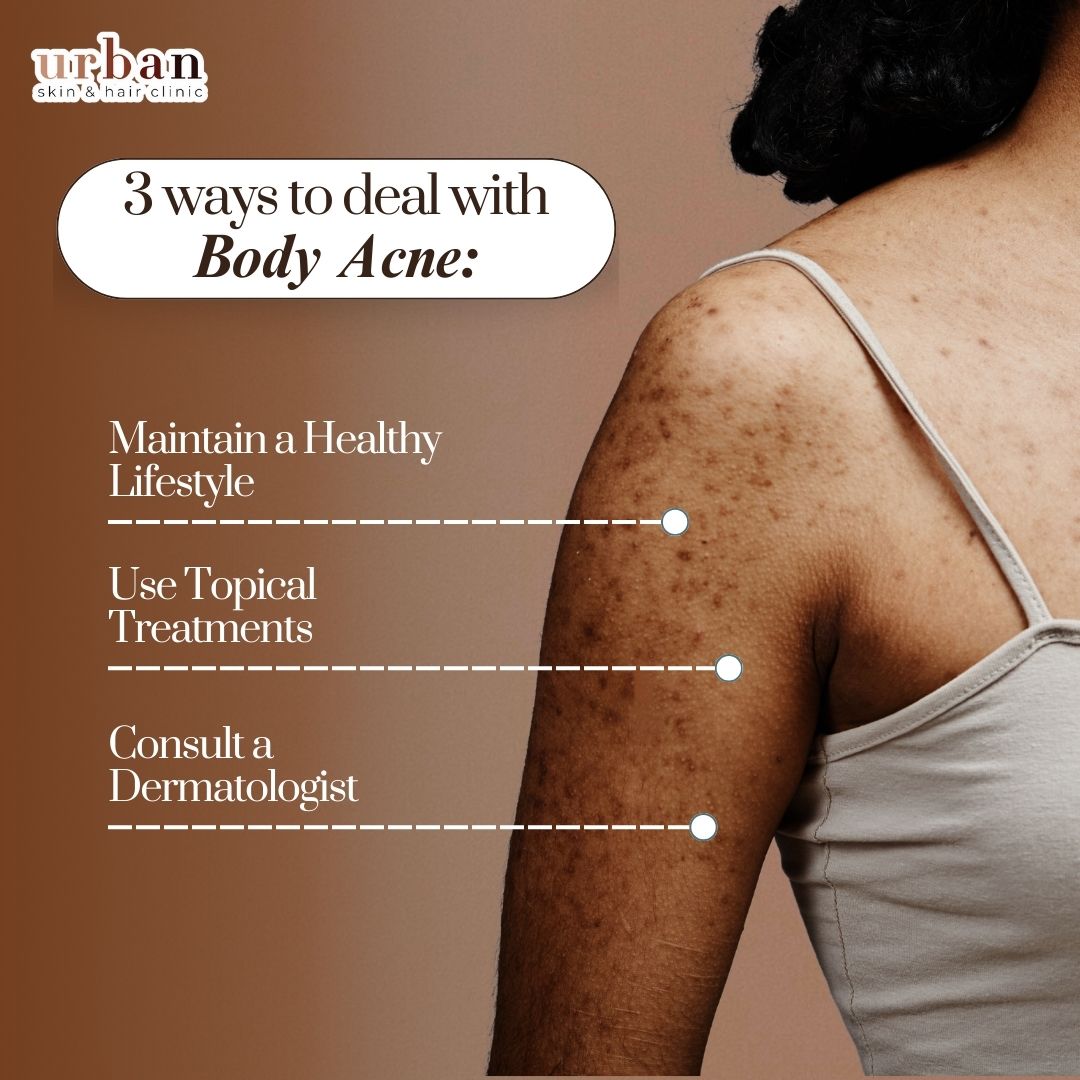
Our patients have seen transformative changes in body acne with visibly smoother, clearer skin in a few sessions. Whether it’s bacne scars or cystic breakouts, our before-and-after photos speak volumes about our success stories.
How to Prevent Body Acne
- Shower immediately after workouts or sweating.
- Wear breathable, loose-fitting clothes.
- Avoid oily body lotions or comedogenic products.
- Exfoliate 1–2 times a week to remove dead skin.
- Change and wash clothing, towels, and bedsheets frequently.
- Maintain a balanced diet and hydrate well.
Body Acne Treatment Options at Urban Skin and Hair Clinic
We offer comprehensive treatment options tailored to body skin, which is thicker and requires different care than facial skin:
- Chemical Peels for Body: Helps exfoliate dead skin, reduce pigmentation, and unclog pores.
- Back Facial / Body HydraFacial: Deep cleansing with hydration to detoxify and treat congested skin.
- CO2 Laser Therapy: Effective for deep scars and stubborn acne on the back and chest.
- Microneedling with PRP: Reduces acne scars, evens skin tone, and stimulates healing.
- Medications (Topical/Oral): Prescribed after analyzing acne severity, especially in hormonal or cystic cases.
- LED Light Therapy: Kills acne-causing bacteria and reduces inflammation without downtime.
All treatments are conducted under the guidance of our experienced dermatologist to ensure safety and long-lasting results.
What Causes back acne in females?
Hormonal Fluctuations: Changes in hormone levels during menstrual cycles, pregnancy, or conditions like polycystic ovary syndrome (PCOS) can spike sebum production. This extra oil clogs pores and triggers inflammation, leading to acne on the back.
Excessive Sweating and Heat Build-up: The back often traps heat and moisture, especially during exercise or in hot weather. When sweat mixes with oils and dead skin cells, it creates an ideal environment for bacteria, which can result in breakouts.
Friction and Pressure: Constant friction from tight clothing, sports gear, or backpacks can irritate the skin. This friction not only inflames the skin but also blocks pores, thereby contributing to the development of acne, sometimes known as acne mechanica.
Inadequate Skincare Routine: Skipping proper cleansing, particularly after sweating, allows a buildup of sweat, oil, and dirt. This residue can clog pores and promote bacterial growth, making breakouts more likely on the back.
Diet and Lifestyle Factors: Certain foods, like dairy or high-glycemic-index options, might trigger inflammation and hormonal shifts that worsen acne. Additionally, stress can disrupt hormone balance and immune function, further exacerbating skin issues.
Genetic Predisposition: Genetics can play a crucial role, with some individuals naturally producing more oil or having more sensitive skin. A family history of acne often indicates a higher risk of developing similar issues on the back.
Back Acne Treatment
Despite your best efforts to avoid acne breakouts, your skin may still get them. If your acne does not react to the aforementioned preventive suggestions or if it leaves scars on your skin, make an appointment with your dermatologist right once.
Acne on the back, like acne on the face, may be hard to treat. It’s impossible to find a single therapy that works for everyone since everyone’s skin reacts differently to medicines. As a result, your dermatologist will examine your skin health and acne outbreaks to suggest a treatment plan just for you.
The following are a few tried-and-true methods:
Even if over-the-counter creams and washes haven’t worked for you, several medicines can control back acne. Due to the difficulty of application, the thickness of the skin, and the high activity of the oil glands, topical medicines are usually used in conjunction with other acne therapies for treating back acne.
In particular for athletes and those with a lot of physical activity, this may be a fantastic choice for treating inflammatory acne. Antibiotics may assist with back acne by reducing inflammation and bacteria overgrowth.
One of the most common and successful methods to treat moderate to severe acne is a prescription-strength acne medication. Accutane, in contrast to conventional acne medicines, may provide long-term advantages that persist even after the patient has completed the therapy. Dermatologists often prescribe this to patients to help reduce acne scars.
No downtime and little pain are required with CoolTouch® Acne Laser Treatments to treat acne, acne scars, and back acne. It uses mild pulses of electricity that penetrate deep enough in the skin to shrink oil glands and reduce their ability to generate acne without harming skin’s natural oils and damaging them.
Blu-U is a one-of-a-kind therapy that uses a bright, fluorescent blue light. Acne-causing Propionibacterium gets killed using fluorescent light technology. This technology also destroys other bacteria that may contribute to acne’s progression and spread.
How to prevent back acne?
However, there are several easy and efficient methods to reduce back acne outbreaks. These are everyday regular methods to reduce acne outbreaks on your back.
- Choose lightweight, breathable fabrics like cotton.
- Shower or bathe soon after sweating to eliminate extra oils and dirt. If you can’t wash right after a workout, bring cleaning wipes to apply to your acne-prone regions.
- Use topical steroids only as directed by your dermatologist. Corticosteroids may induce acne and other skin problems if taken excessively.
- Use body cleansers and lotions designed for acne-prone skin instead of oil-based products. All skincare products should be non-comedogenic, meaning they do not clog pores or trigger acne outbreaks. It should be near the ingredients list on your goods.
- In the shower, use an over-the-counter Benzoyl Peroxide wash. It reduces inflammation and bacterial growth. Be aware that any product containing benzoyl peroxide may bleach textiles if not rinsed properly.
