


Pain & Spot-Free Skin with Stretch Marks Treatment In Pune
Stretch marks can affect both men and women, and while they are not harmful, they can be a source of concern for many individuals.
Stretch Marks Treatment, Stretch Marks Treatment In Pune, Stretch Marks, Stretch Marks Treatment, Stretch Marks Treatment In Pune, Stretch Marks,Stretch Marks Treatment, Stretch Marks Treatment In Pune, Stretch MarksStretch Marks Treatment, Stretch Marks Treatment In Pune, Stretch Marks
Symptoms and Causes
Signs & Symptoms of Stretch Marks
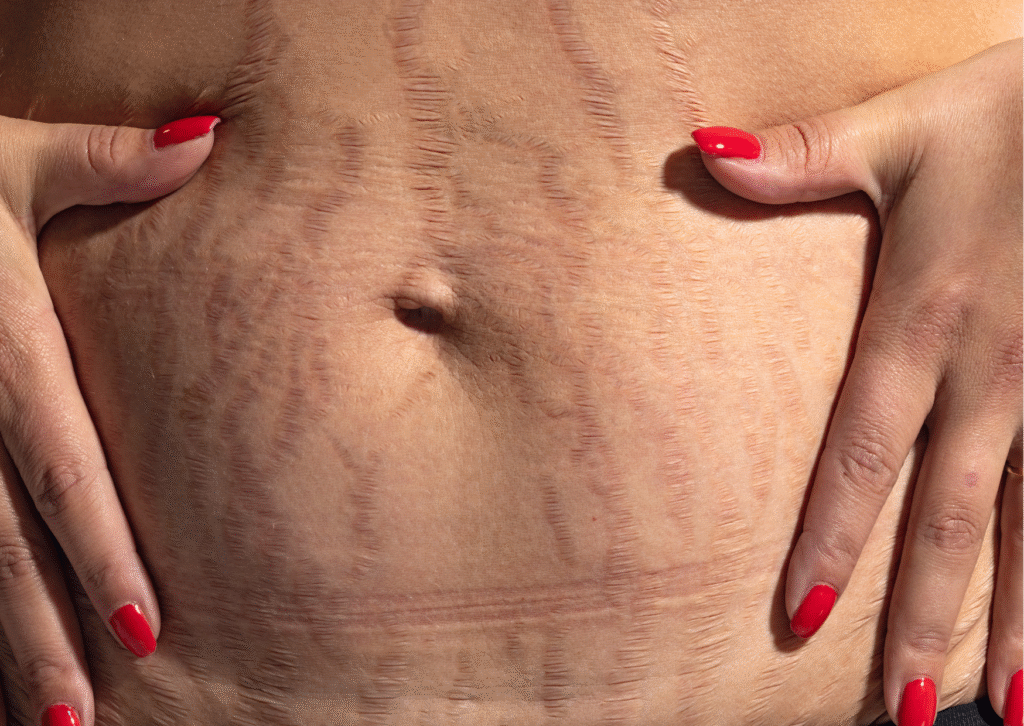
Stretch marks most commonly occur on areas of the body where the skin is subject to rapid stretching, such as:
- Abdomen (especially during pregnancy)
- Thighs
- Hips
- Breasts
- Upper arms
- Lower back
Initially, stretch marks might appear slightly raised and have a different texture than the surrounding skin. Over time, they tend to flatten out, and their color may fade.


What are the Causes of Stretch Marks?
Stretch Marks Treatment In Pune, Stretch marks are primarily caused by the rapid expansion or contraction of the skin, which affects the skin’s elastic fibers and collagen. Some common factors that contribute to the development of stretch marks include:
- Pregnancy: The rapid growth of the abdomen during pregnancy can lead to stretch marks.
- Puberty: Adolescents experiencing growth spurts may develop stretch marks on various body parts.
- Rapid Weight Gain or Loss: Significant fluctuations in body weight can stretch the skin, leading to stretch marks.
- Hormonal Changes: Certain hormonal imbalances can weaken the skin’s elasticity, making it more susceptible to stretch marks.
- Genetic Predisposition: Family history may play a role in determining an individual’s likelihood of developing stretch marks.
What are the Types of Stretch Marks?
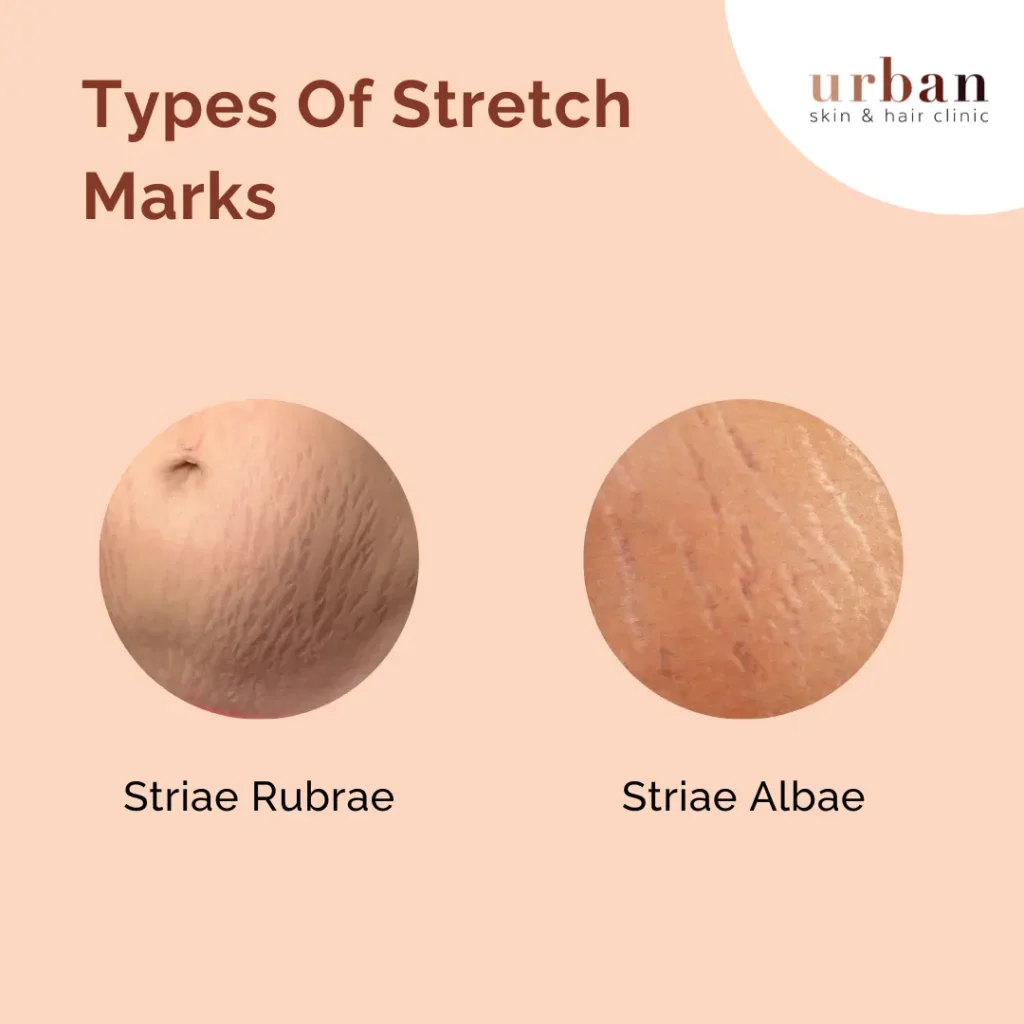
There are two primary types of stretch marks based on their origin:
- Striae Rubrae: These are the early-stage stretch marks that are typically red, pink, or purple in color. They are often accompanied by itching and irritation on the affected skin.
- Striae Albae: As stretch marks mature, they turn into striae albae, which have a silvery-white or off-white appearance. They might be less noticeable but can persist for a more extended period.
Benefits of Stretch Marks Treatment
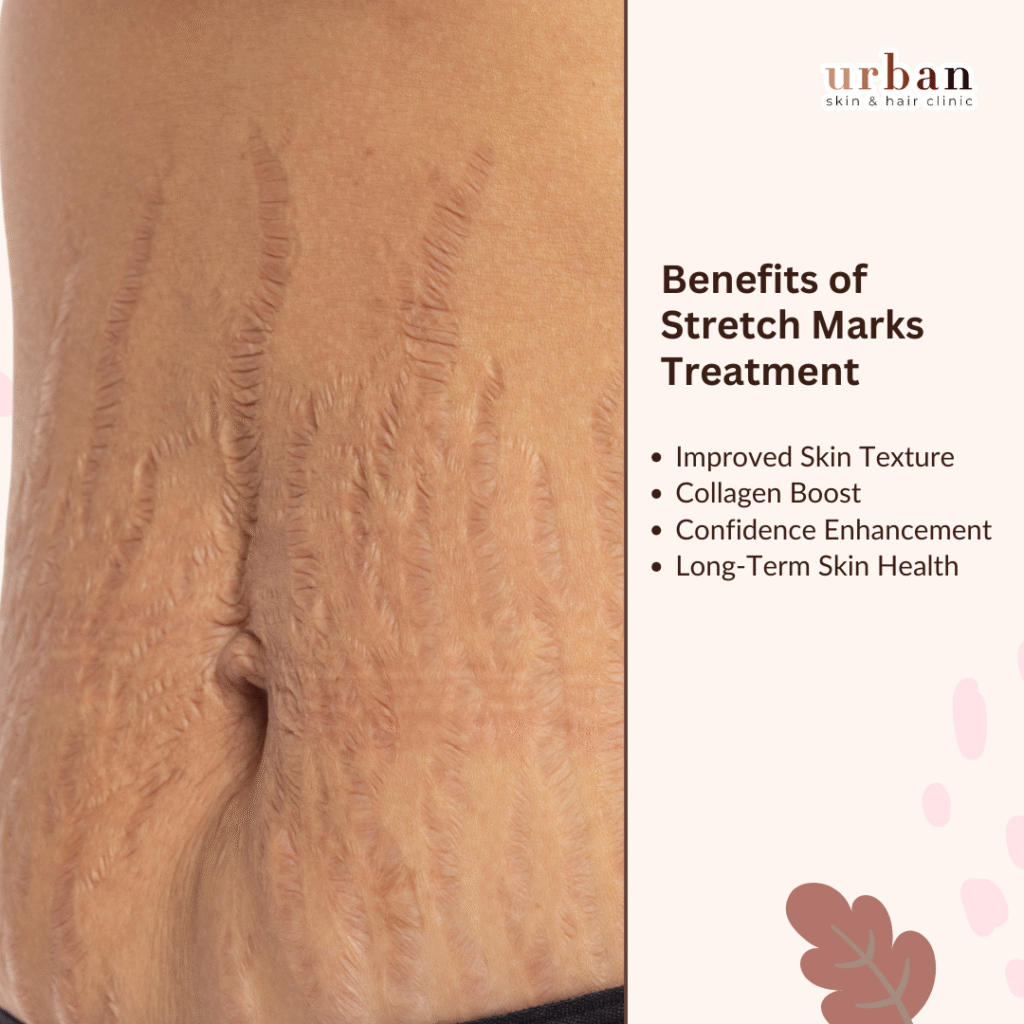
Stretch Marks Treatment In Pune, Stretch mark treatments stimulate collagen production to fade scars from rapid skin stretching during pregnancy, growth spurts, or weight changes.
Improved Skin Texture
Laser therapy and microneedling smooth indented marks, blending them with surrounding skin for even tone and firmness.
Collagen Boost
RF microneedling or fractional lasers trigger natural elastin regeneration, enhancing resilience and reducing future stretching.
Confidence Enhancement
Fewer visible marks on abdomen, thighs, or breasts improve self-image, especially post-pregnancy or body transformation.
Long-Term Skin Health
Treatments like chemical peels promote cell turnover, minimizing redness in new marks and preventing itchiness.
Treatment for Stretch Marks
At Urban Skin & Hair Clinic, we offer advanced and personalized treatment options to effectively address stretch marks and improve the appearance of your skin:
Laser treatments can stimulate collagen production and promote skin healing, reducing the appearance of stretch marks.
This procedure involves the use of tiny needles to create controlled micro-injuries, triggering collagen production and skin rejuvenation.
Chemical peels can help in exfoliating the outer layer of the skin, leading to the regeneration of smoother, healthier skin.
Our dermatologists may recommend specific creams or ointments containing ingredients that aid in improving stretch marks’ appearance.
PRP therapy utilizes growth factors from your blood to stimulate skin repair and reduce stretch marks.
Remember, each individual’s skin is unique, and our expert dermatologists will tailor a treatment plan that best suits your needs and skin type.
Don’t let stretch marks hinder your self-confidence any longer. Visit Urban Skin & Hair Clinic to explore the most effective and safe solutions to combat stretch marks and restore the beauty of your skin.
How To Prevent Stretch Marks?
Stretch mark prevention focuses on maintaining skin elasticity through hydration, nutrition, and gradual weight changes to minimize collagen breakdown.
Hydration and Moisturizing
Drink 8-10 glasses of water daily and apply bio-oil or shea butter twice daily on prone areas like abdomen and thighs to keep skin supple.
Nutrient-Rich Diet
Consume vitamin C (citrus), zinc (nuts), protein (eggs, fish), and omega-3s (salmon, flaxseeds) to support collagen production and skin resilience.
Gradual Weight Management
Gain or lose weight slowly (0.5-1 kg/week) via balanced exercise like yoga or swimming to avoid rapid stretching.
Sun Protection
Apply SPF 30+ sunscreen daily, as UV damage weakens skin fibers and worsens mark visibility.
Consult a Specialist Today
Many of the techniques for preventing pimples may also be used to cure them. Eating well, avoiding stress, and not popping pimples may help manage zits and reduce their length. If your acne continues despite your best efforts, you may need prescription acne treatment. Consult your dermatologist if you’re uncertain about treatment.
FAQ's
Stretch marks form when skin expands quickly, tearing collagen and elastin fibers; hormones, genetics, and rapid growth spurts contribute.
Yes, they are scars that fade over time but don’t vanish completely; early treatment improves appearance.
New red/purple marks often itch from healing; moisturizing relieves irritation without scratching.
Yes, men develop them from muscle building, weight changes, or puberty, though less visibly than women.
Gradual weight changes, hydration, and collagen-boosting diet (vitamin C, zinc) reduce risk, but genetics play a role.