







Postpartum Hair Loss Treatment In Pune, Postpartum hair loss, also known as postpartum alopecia or telogen effluvium, is a temporary hair loss condition that occurs after childbirth.
During pregnancy, hormonal changes lead to reduced hair shedding, resulting in thick and luscious locks. However, after giving birth, hormonal levels fluctuate, causing an increased number of hair follicles to enter the resting phase, leading to significant hair shedding Postpartum Hair Loss In Pune.
Postpartum Hair Loss Treatment In Pune, Postpartum hair loss typically manifests as excessive shedding and noticeable thinning of hair, particularly around the crown and temples. You may observe more hair strands on your brush, pillow, or shower drain. While postpartum hair loss can be alarming, it’s essential to remember that it is a natural and temporary process’s
If you see any signs of postpartum hair loos it always advice to visit best postpartum hair loss treatment clinic where expert dermatologist will do proper diagnosis and create a customized treatment plan for you. Don’t ignore postpartum hair loos issue take action before if get worse. To get treated by expert you can visit our postpartum hair loss clinic in India for better result. Contact us today, Postpartum Hair Loss In Pune.
Postpartum Hair Loss Treatment In Pune, The main cause of postpartum hair loss is the hormonal fluctuations that occur after giving birth. During pregnancy, elevated levels of estrogen prolong the hair growth phase, leading to thicker hair.
However, after childbirth, estrogen levels drop rapidly, causing more hair follicles to enter the resting (telogen) phase, resulting in excessive shedding.
If you are suffering from Postpartum Hair loss issue then visit one of the best Postpartum hair loss treatment clinic in India. Where our expert dermatologist for postpartum hair loss will provide safe and customized treatment plan which is safe and affordable. Contact us today.
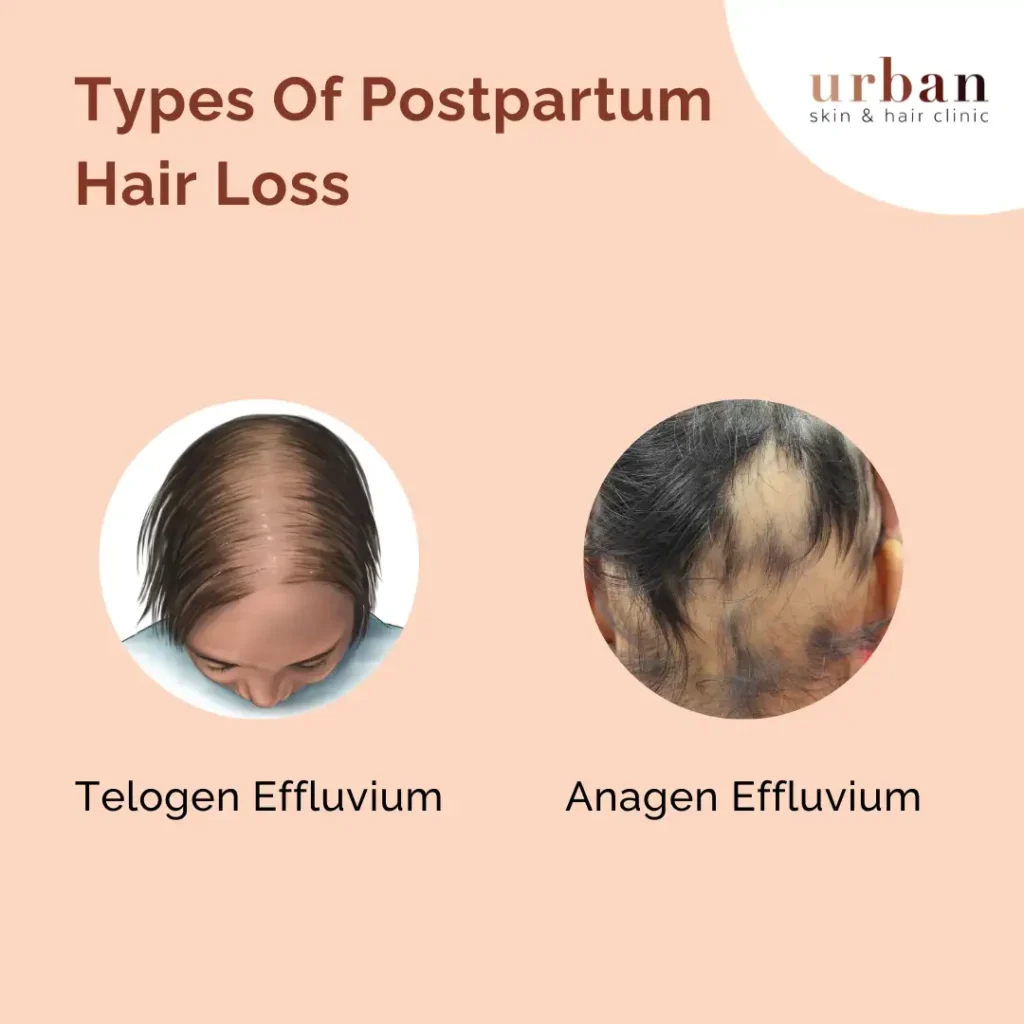
There are primarily two types of postpartum hair loss:
Postpartum hair loss, or telogen effluvium, causes diffuse shedding 3-6 months after delivery due to hormonal shifts, but treatments accelerate recovery and restore fullness.
Experience these key benefits at Urban Skin Hair Clinic (USHC):
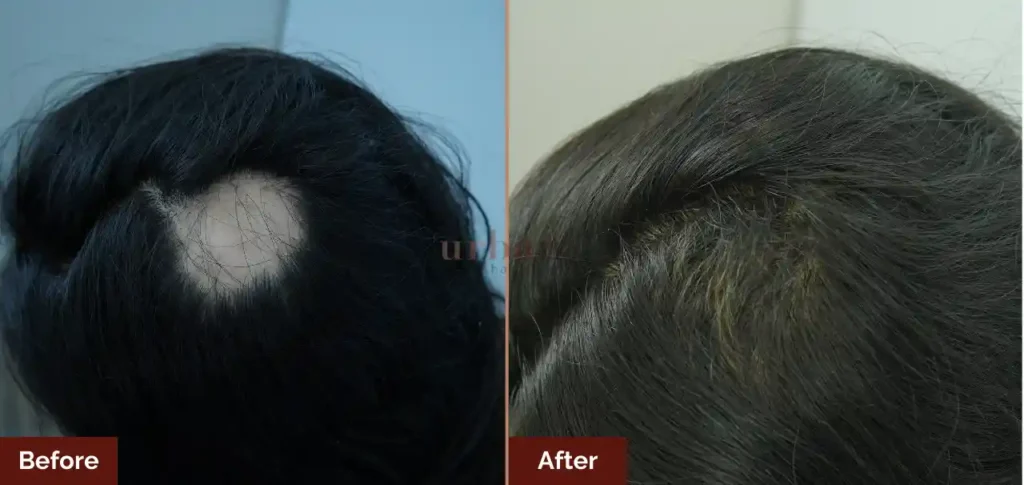
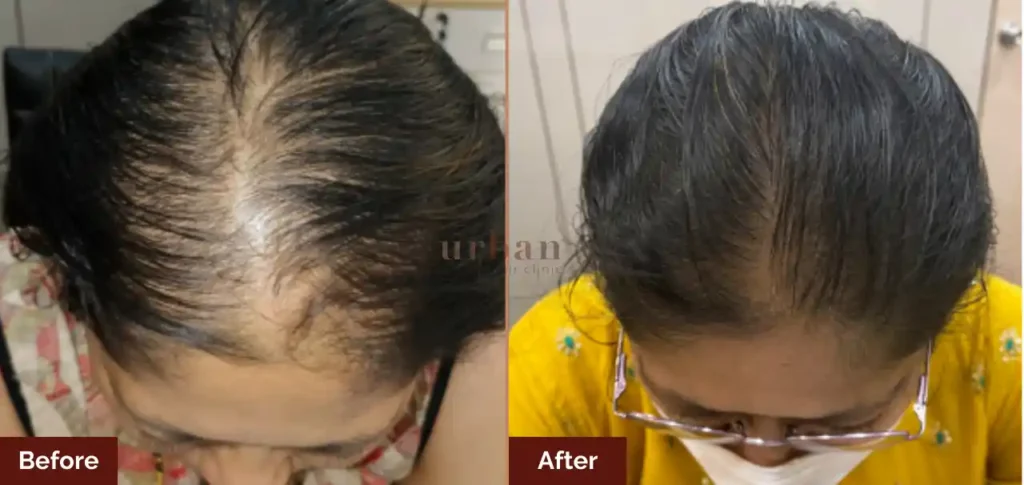
Accelerates Regrowth: PRP injections stimulate follicles, yielding thicker hair faster than natural recovery alone.
Reduces Shedding: Minoxidil and supplements like Nutrafol shorten the resting phase for visible density in weeks.
Strengthens Strands: Topical serums repair damage, minimizing breakage during styling.
Boosts Volume: Low-level laser therapy enhances circulation for fuller, healthier-looking hair.
Restores Confidence: Quick improvements alleviate emotional stress of thinning post-pregnancy
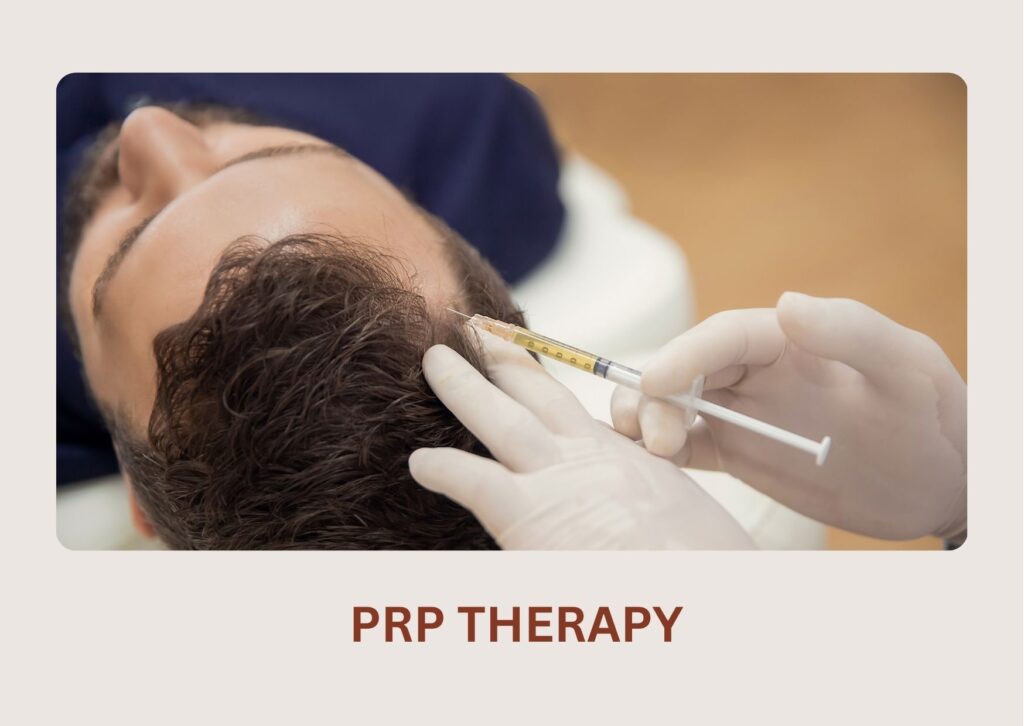
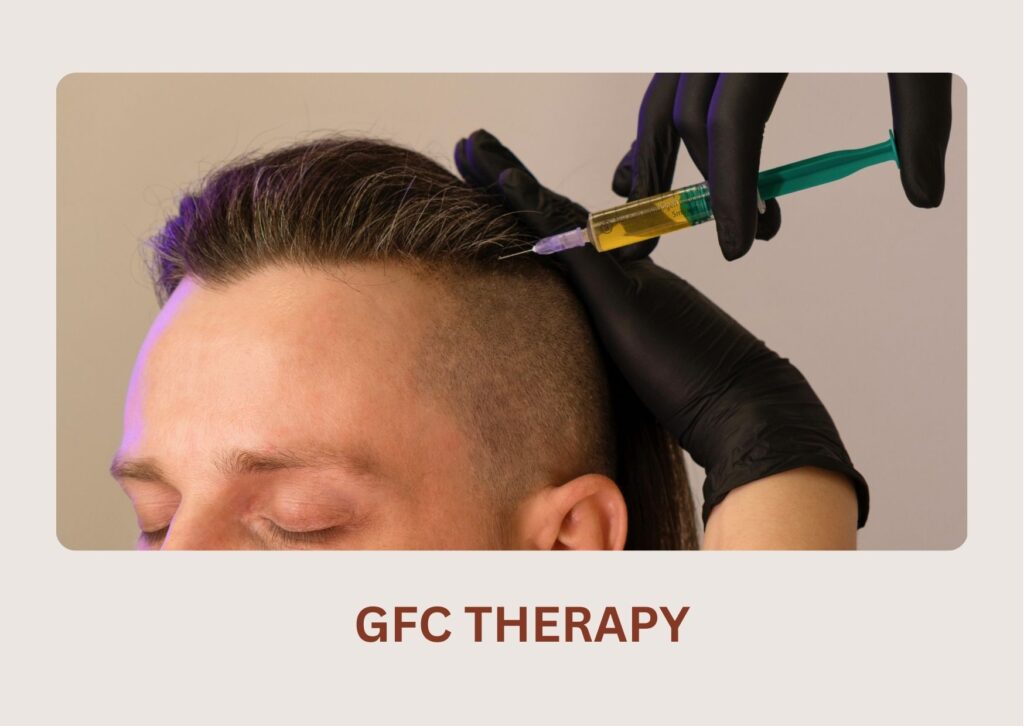
A highly effective treatment where your own growth-factor-rich plasma is injected into the scalp to strengthen follicles, reduce hair fall, and boost regrowth.
Advanced version of PRP that offers higher growth factor concentration for faster and more noticeable results.
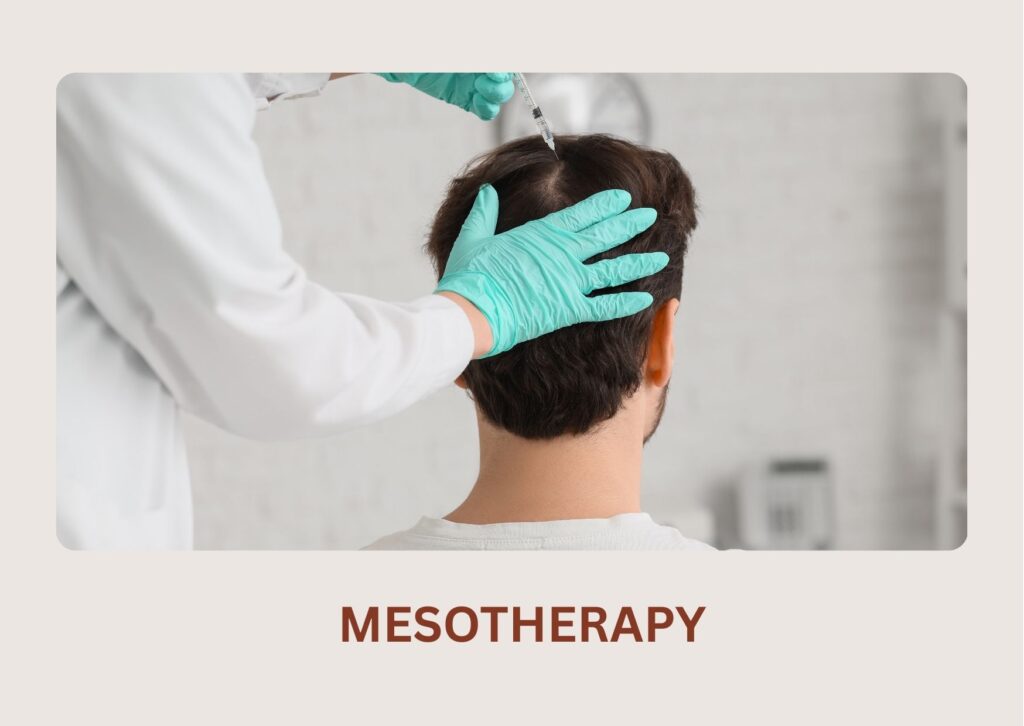
A nutrient-rich cocktail of vitamins, peptides, and growth boosters is delivered into the scalp to improve hair density and reduce thinning.
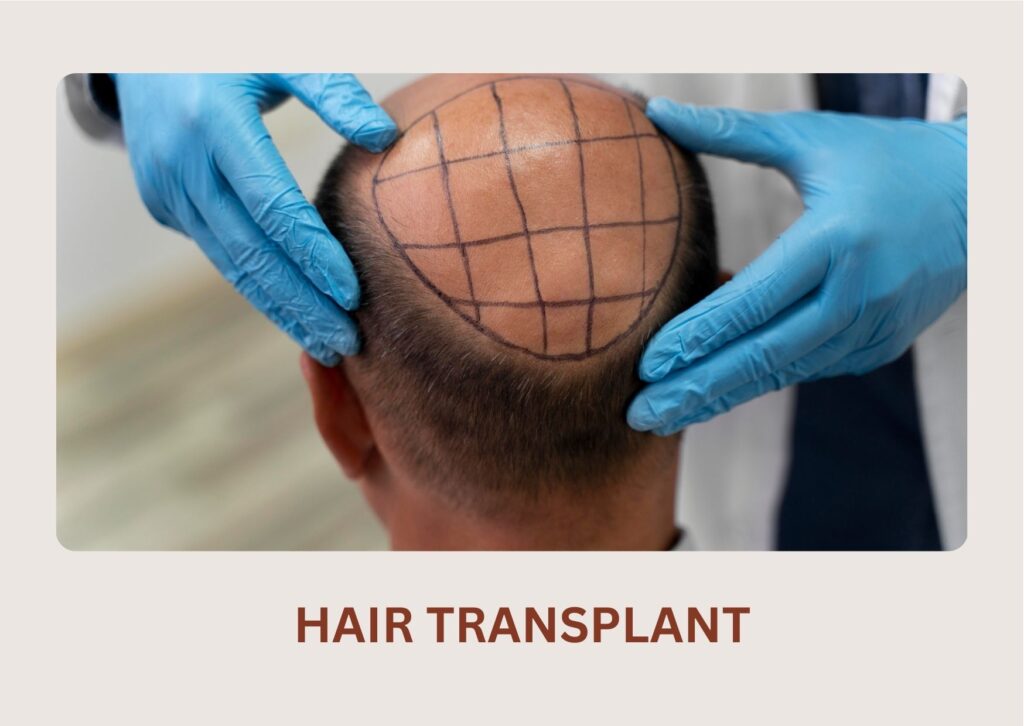
A permanent solution where healthy follicles from the donor area are transplanted to bald or thinning areas for natural, long-lasting results.
Fine needles create microchannels on the scalp to enhance absorption of growth serums and activate collagen production.
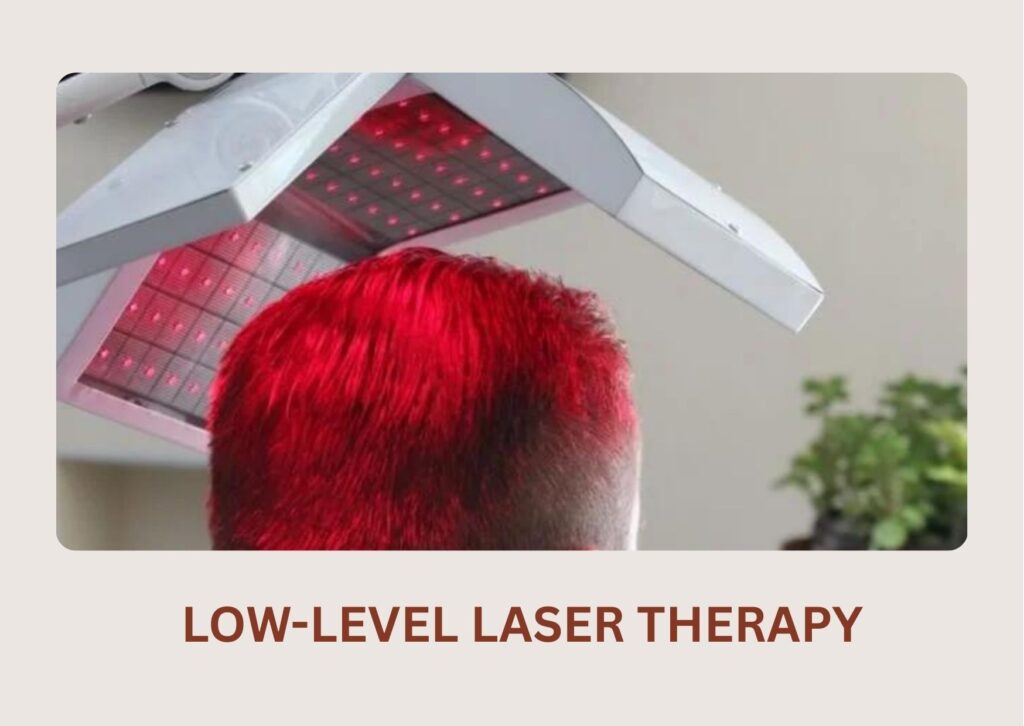
Laser light stimulates follicles, increases blood circulation, and encourages growth in thinning areas.
Postpartum hair loss stems from hormonal drops after delivery pushing follicles into resting phase, but proactive steps minimize shedding and support faster regrowth.
Nourish with biotin-rich foods like eggs, nuts, and salmon, plus iron sources (spinach, lentils) to combat common deficiencies.
Gently massage scalp daily with coconut or rosemary oil for 5 minutes to boost circulation without pulling fragile strands.
Avoid tight ponytails, heat styling, and chemical treatments; air-dry and use silk pillowcases to reduce breakage.
Stay hydrated (8+ glasses water daily) and prioritize 7-9 hours sleep when possible to stabilize hormones naturally.
Consult Urban Skin Hair Clinic (USHC) early for supplements or minoxidil if shedding persists beyond 6 months.
Many of the techniques for preventing pimples may also be used to cure them. Eating well, avoiding stress, and not popping pimples may help manage zits and reduce their length. If your acne continues despite your best efforts, you may need prescription acne treatment. Consult your dermatologist if you’re uncertain about treatment.
Hormonal shifts after delivery drop estrogen levels, pushing follicles into resting phase (telogen effluvium), causing diffuse shedding 3-6 months postpartum.
Typically 3-6 months, peaking around 4 months; full regrowth occurs by 9-12 months as hormones stabilize naturally.
No, breastfeeding doesn’t cause it; the estrogen drop post-delivery triggers shedding regardless of nursing status.
If shedding exceeds 6 months, shows bald patches, or accompanies fatigue/thyroid symptoms, consult a dermatologist for deficiencies or other issues.
Minimize with iron/biotin-rich diet, gentle scalp care, stress reduction, and hydration; supplements help but can’t fully stop hormonal telogen effluvium