


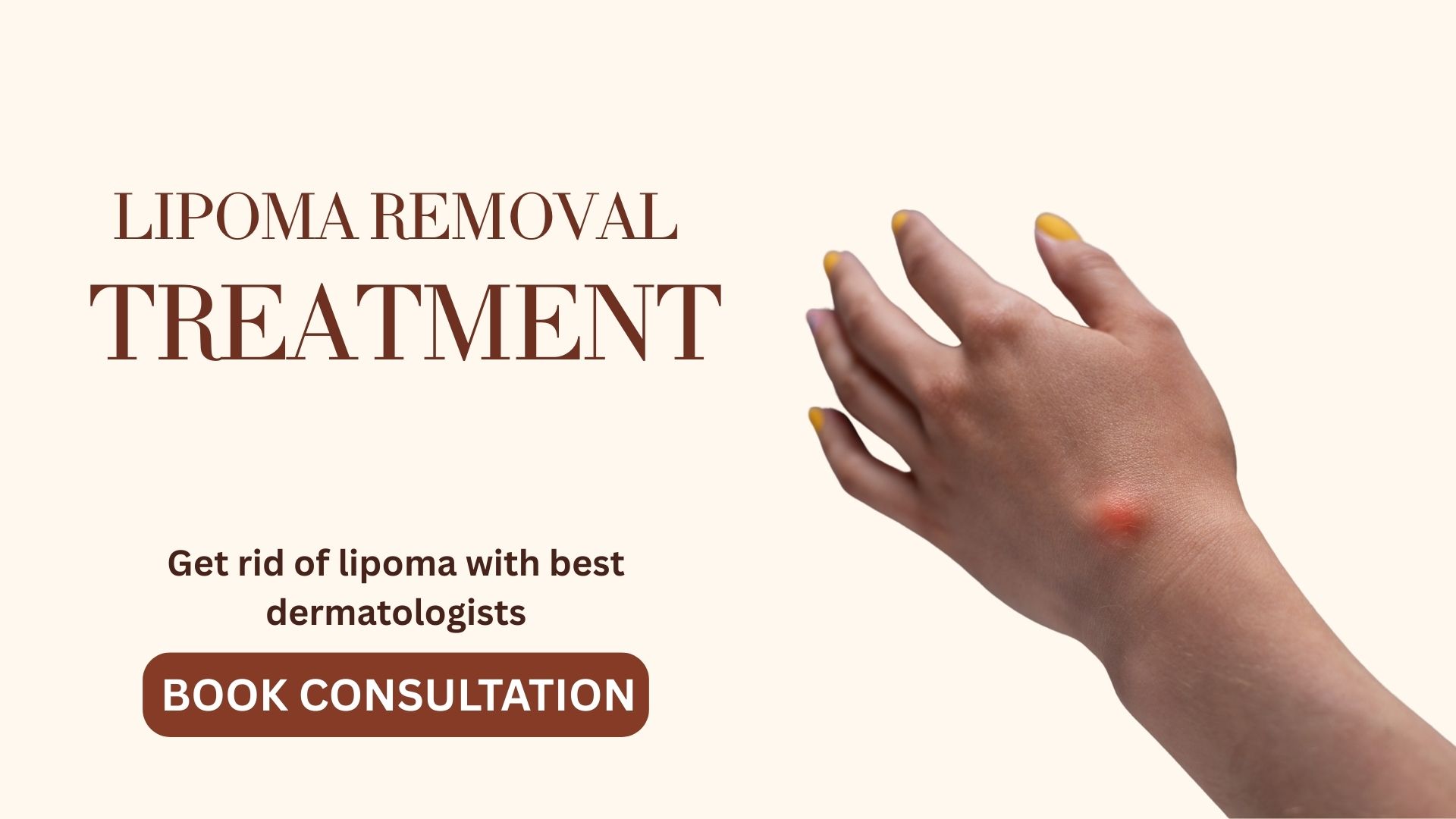
Pain & Spot-Free Skin with Lipoma Removal Treatment
Lipomas are benign fatty lumps under the skin that cause pain, discomfort, or cosmetic concerns when pressed, growing, or located in visible areas like arms, back, or neck. At Urban Skin and Hair Clinic, our advanced Lipoma Removal Treatment uses minimally invasive excision under local anesthesia to eliminate lumps completely, restoring smooth, pain-free skin with minimal scarring. Expert dermatologists ensure quick outpatient procedures, rapid recovery, and low recurrence for lasting clear skin.
What is Lipoma Removal?
Noticed a soft, painless lump under your skin? It could be a lipoma, a common but harmless fatty growth. While lipomas are typically non-cancerous, they can cause discomfort or become a cosmetic concern. At Urban Skin and Hair Clinic, we offer safe and minimally invasive lipoma removal treatments for a smoother, bump-free appearance and peace of mind.
A lipoma is a benign (non-cancerous) tumor made of fat tissue that grows slowly under the skin. It often feels soft, rubbery, and moves slightly when pressed. Lipomas are generally harmless, but if they grow in size, cause discomfort, or become aesthetically bothersome, removal is a good option.
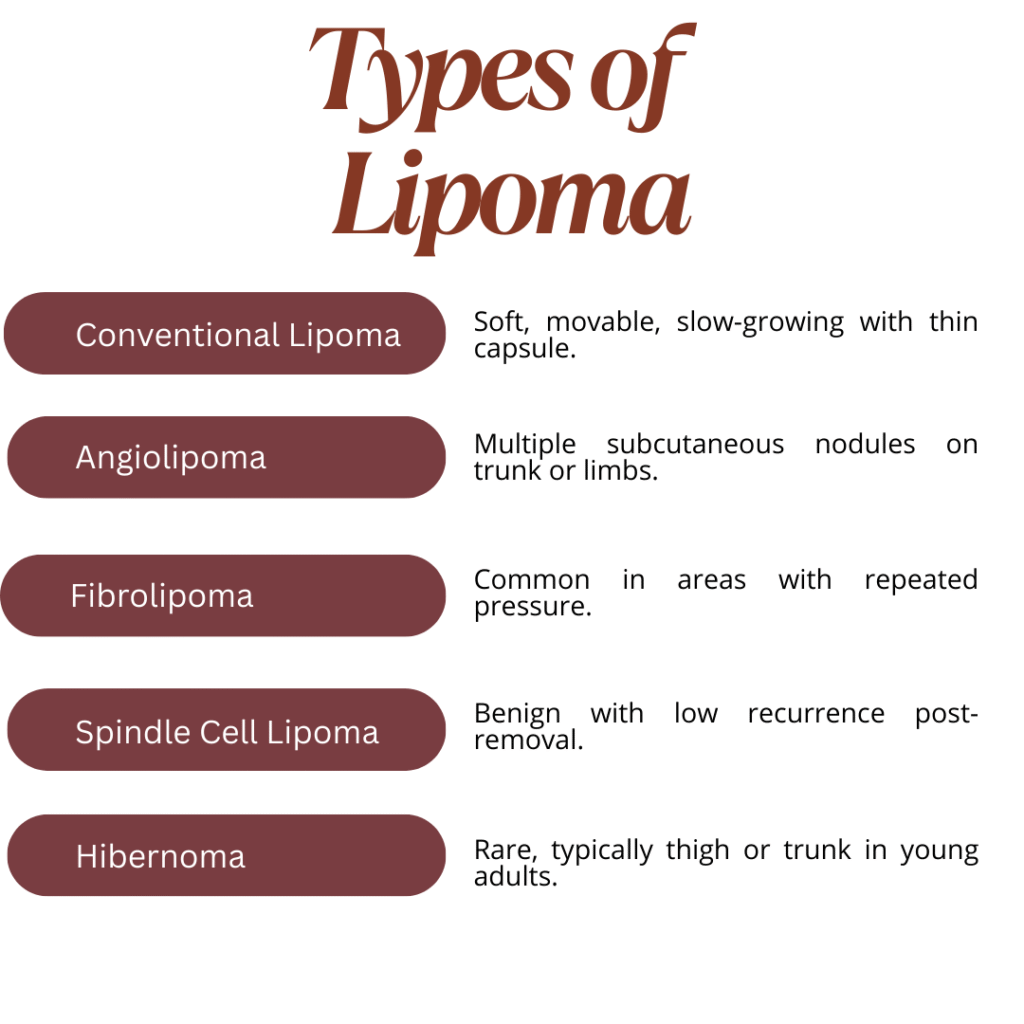
What Are the Types of Lipoma?
Conventional Lipoma Most common; mature white fat cells under skin on trunk, arms, thighs. Soft, movable, slow-growing with thin capsule.
Angiolipoma Contains blood vessels; often painful in young adults. Multiple subcutaneous nodules on trunk or limbs.
Fibrolipoma Fat mixed with fibrous tissue; firmer texture. Common in areas with repeated pressure.
Spindle Cell Lipoma Spindle-shaped fat cells; affects neck, back in older men. Benign with low recurrence post-removal.
Hibernoma Brown fat cells; vascular, warm to touch. Rare, typically thigh or trunk in young adults.
Lipoma Removal Treatment Procedure
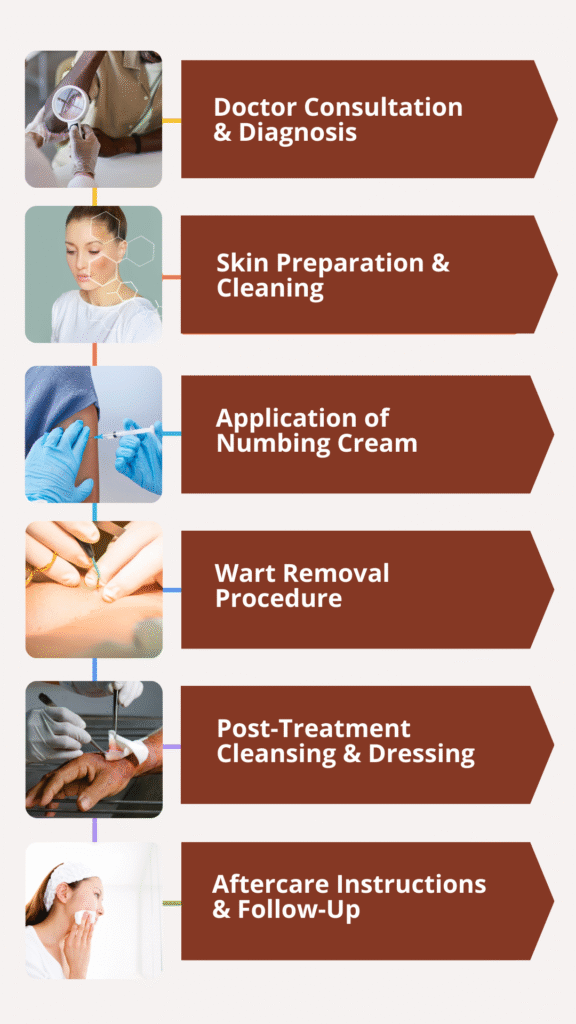
Step 1: Consultation and Anesthesia Dermatologist marks lipoma, cleans site, injects local anesthetic (lidocaine) for numbness.
Step 2: Incision Makes 3-4mm incision over or near lipoma using scalpel.
Step 3: Dissection Inserts curette or hemostat to separate lipoma from surrounding tissue.
Step 4: Extraction Removes entire lipoma capsule; checks for complete removal.
Step 5: Closure Controls bleeding, sutures incision, applies dressing or drain if large.
Step 6: Aftercare Advises wound care, pain relief; follow-up in 7-10 days for stitch removal.
Benefits of Lipoma Removal Treatment
Wart removal treatment helps eliminate stubborn, infectious skin growths safely and effectively. It restores smooth, clear skin while preventing the wart from spreading or recurring.
- Quick removal of warts with minimal discomfort.
- Prevents wart spreading to nearby skin areas.
- Restores smooth, clean, and healthy-looking skin.
- Reduces pain and irritation caused by warts.
- Boosts confidence by improving skin appearance.
- Safe procedures suitable for all skin types.
- Targets the wart’s root for lasting results.
- Minimally invasive with very short downtime.
- Helps prevent future wart recurrence effectively.
- Dermatologist-performed treatment ensures complete safety.
Pre and Post Treatment Care
Pre-Treatment Care
- Avoid sun exposure on the area for at least 3–5 days before treatment.
- Skip active skincare products like retinoids, AHAs, and BHAs around the treatment site.
- Do not shave or irritate the mole area before the appointment.
- Inform your dermatologist about any medications, allergies, or previous skin treatments.
- Keep the skin clean and avoid applying makeup, creams, or oils on the mole before treatment.
Post-Treatment Care
- Keep the treated area clean and dry for the first 24 hours.
- Apply prescribed ointments regularly to support healing and prevent infection.
- Avoid scratching, rubbing, or picking the treated skin to prevent scarring.
- Protect the area from sun exposure using sunscreen once healing begins.
- Avoid swimming, steam, gym workouts, or heavy sweating for 48–72 hours.
How Treatment Cost Is Decided?
The cost of any treatment depends on several key factors that determine the type, intensity, and number of procedures required. Since every patient’s condition, goals, and expectations are different, the final pricing is customised to ensure safe, effective, and personalised care.
- Severity of the Condition
- Type of Treatment Recommended
- Number of Sessions Required
- Technology & Equipment Used
- Doctor’s Expertise & Clinic Standard
- Customisation of the Treatment Plan
- Area/Extent of Treatment
Get An Appointment
Why Urban Skin and Hair Clinic

TEAM OF CERTIFIED DERMATOLOGISTS

US-FDA APPROVED EQUIPMENTS

HIGHLY STANDARDISED PROTOCOLS

1 LAKH + HAPPY CLIENTS
Causes of Lipoma
While the exact cause of lipomas isn’t always clear, common contributing factors include:
- Genetics: Lipomas often run in families.
- Age: Most commonly appear in middle-aged adults (40–60 years).
- Minor Injuries: Trauma or impact to soft tissue can sometimes trigger lipoma formation.
- Metabolic Disorders: Though rare, some conditions like adiposis dolorosa may lead to multiple lipomas.
- Obesity or high body fat: While not a direct cause, higher fat content in the body can increase likelihood.

Treatment Benefits
✅ Painless and scar-minimizing removal procedure
✅ Immediate relief from discomfort or pressure
✅ Improved appearance, especially for visible lipomas
✅ No recurrence in the treated area
✅ Quick healing and minimal downtime
✅ Boosts confidence and peace of mind
Before-After Results
Post-procedure, the skin appears smooth and free of lumps. Minor swelling or bruising may occur initially, but it subsides within a few days. With proper care, there’s minimal to no scarring.
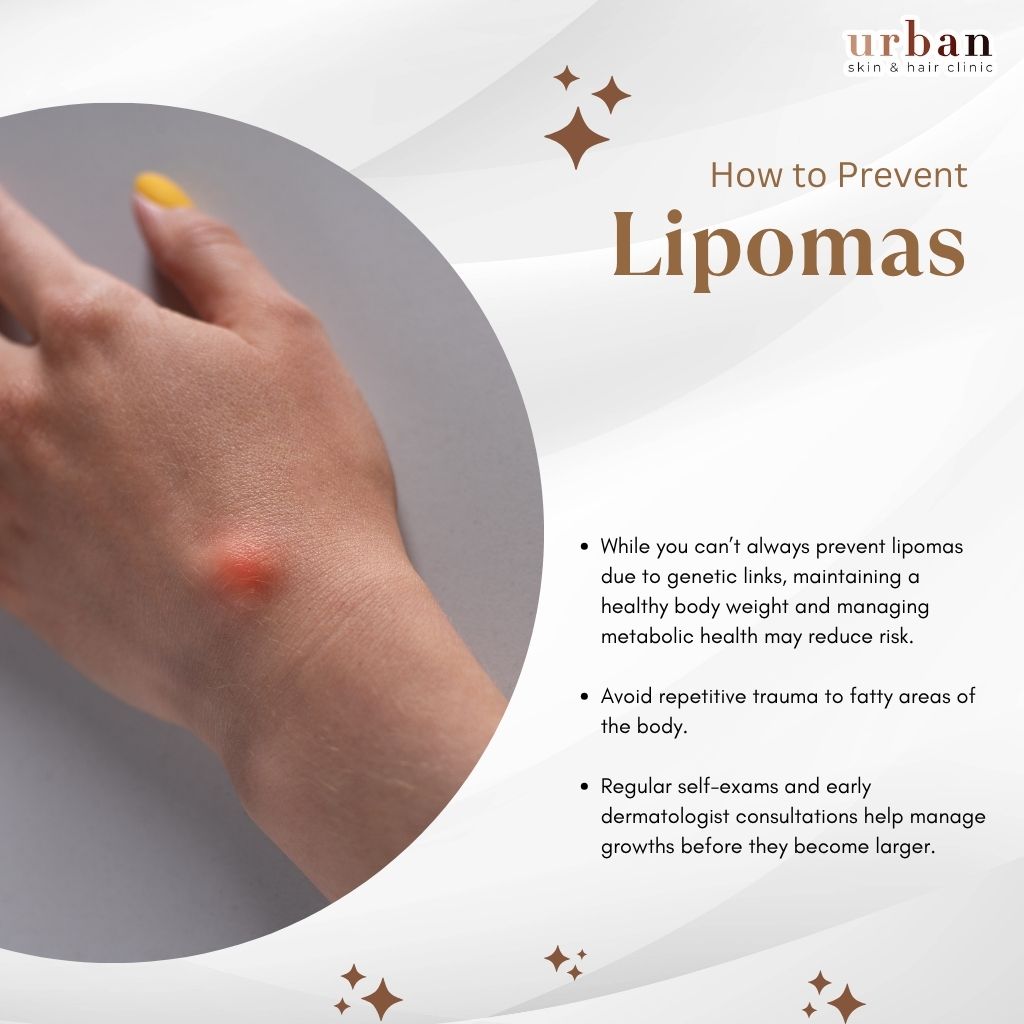
How to Prevent Lipomas
- While you can’t always prevent lipomas due to genetic links, maintaining a healthy body weight and managing metabolic health may reduce risk.
- Avoid repetitive trauma to fatty areas of the body.
- Regular self-exams and early dermatologist consultations help manage growths before they become larger.
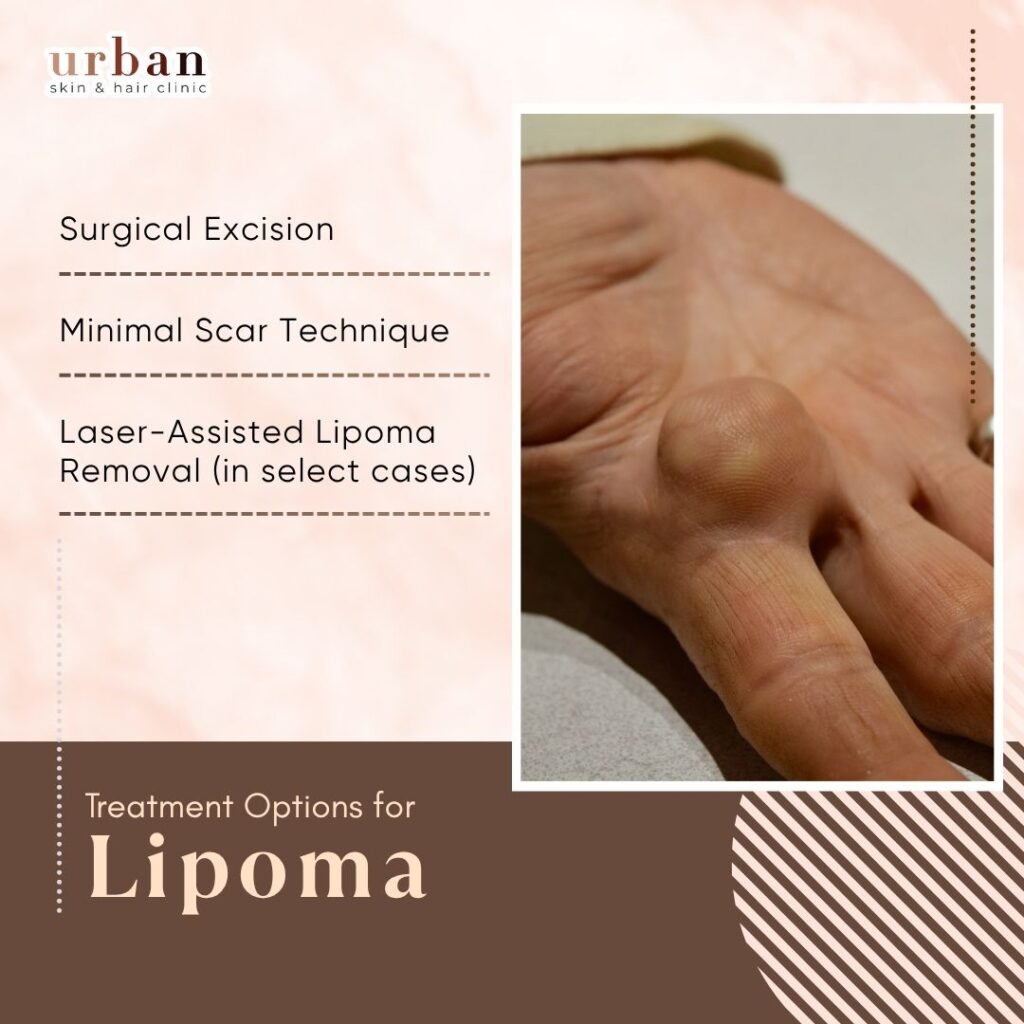
Treatment Options at Urban Skin and Hair Clinic
We offer medically sound and minimally invasive solutions for lipoma removal:
- Surgical Excision: The most effective method for complete lipoma removal. Performed under local anesthesia with a small incision. No hospital stay required.
- Minimal Scar Technique: We ensure the incision is small and strategically placed to reduce post-procedure marks.
- Laser-Assisted Lipoma Removal (in select cases): For small or superficial lipomas to minimize bleeding and promote faster healing.
All procedures are done under sterile conditions by expert dermatologists and surgeons.
Procedure of Lipoma Removal
At Urban Skin & Hair Clinic, our experienced dermatologists perform Lipoma Removal using minimally invasive techniques. The procedure typically involves the following steps:
- Local Anesthesia: Before the removal process begins, the treatment area is numbed with local anesthesia to ensure a painless experience.
- Incision or Liposuction: Depending on the lipoma’s size and location, the dermatologist may either make a small incision in the skin to directly remove the lipoma or use liposuction to suction out the fatty tissue.
- Closure: After removing the lipoma, the incision is carefully sutured, and post-operative care instructions are provided.
Benefits of the Lipoma Removal Treatment
Undergoing Lipoma Removal at Urban Skin & Hair Clinic offers numerous benefits:
- Improved Aesthetics: Lipomas can sometimes be visible through the skin, causing self-consciousness. Removal of these lumps can enhance the appearance of the affected area.
- Relief from Discomfort: Larger or deep-seated lipomas may cause discomfort, especially when pressing on nerves or muscles. Removal can alleviate this discomfort.
- Minimal Scarring: The use of advanced and minimally invasive techniques results in tiny incisions and, therefore, minimal scarring.
- Quick Recovery: Lipoma Removal is an outpatient procedure, and most individuals can resume their daily activities shortly after treatment.
Side Effects of the Lipoma Removal
While Lipoma Removal is generally considered safe, like any medical procedure, it may have some potential side effects:
- Bruising: Mild bruising around the treatment area is common and should resolve within a few days.
- Swelling: Some temporary swelling might occur, but it typically subsides in the days following the procedure.
- Infection: Although rare, there is a small risk of infection at the incision site. Following post-care instructions reduces this risk significantly.
Pre Care
To ensure a smooth Lipoma Removal experience, consider these pre-care guidelines:
- Consultation: Schedule a consultation with our dermatologist to discuss your lipoma, medical history, and expectations.
- Medication Review: Inform the dermatologist about any medications or supplements you are taking to avoid potential interactions.
- Avoid Blood Thinners: If you take blood-thinning medications, the dermatologist may advise you to stop them temporarily before the procedure to minimize bleeding risk.
Post Care
To promote proper healing and optimal results after Lipoma Removal, follow these post-care instructions:
- Keep the Area Clean: Gently clean the incision site as per the dermatologist’s instructions to prevent infection.
- Avoid Strenuous Activities: Refrain from engaging in rigorous physical activities for a few days post-treatment.
- Attend Follow-up Visits: Attend scheduled follow-up appointments to monitor the healing process and address any concerns.
At Urban Skin & Hair Clinic, Lipoma Removal is performed with precision and care to ensure your comfort and satisfaction. Say goodbye to unwanted lumps and embrace smooth, flawless skin with our expert dermatologists. Book a consultation today and take the first step towards a more confident you.
Lipoma Treatment FAQ
No, lipomas are benign and rarely pose any health risks. However, if painful or growing, removal is advised.
Not at all. It is performed under local anesthesia, and patients can resume normal activities soon after.
Once removed completely, a lipoma typically does not recur at the same site.
Most lipoma removals take 30–60 minutes, depending on size and location.
Yes, a few dissolvable or removable stitches may be used, depending on the removal technique.
Consult a Specialist Today
Dr. Kiran Chotaliya, M.D. Dermatology, is an expert in autoimmune hair loss treatments, including Alopecia Areata. With a compassionate approach and extensive clinical experience, Dr. Kiran will guide you through every step of the treatment process to ensure the best possible outcome.