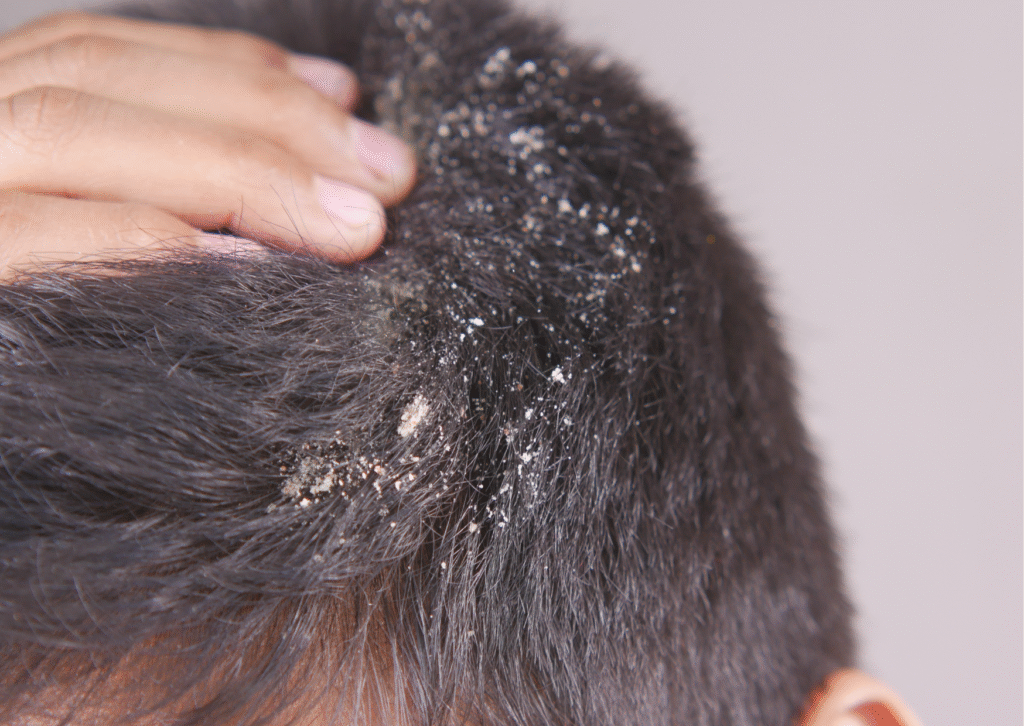






Dandruff is one of the most common scalp concerns affecting people of all ages, often leading to itching, irritation, flakiness, and reduced scalp health. At Urban Skin and Hair Clinic, our advanced dandruff treatment solutions are designed to target the root cause of dandruff, control fungal activity, reduce flakes, and soothe scalp inflammation.
With the help of expert dermatologists and customised treatment plans, we restore scalp balance, improve hair health, and prevent recurrent dandruff. Our clinically proven therapies ensure a clean, calm, and healthy scalp—helping you feel confident and comfortable every day.
Recognizing the signs and symptoms of dandruff is essential for early detection and treatment. The common indications of dandruff include:
Several factors contribute to the development of dandruff:
There are two primary types of dandruff: dry dandruff and oily dandruff.
Dandruff treatment effectively controls Malassezia yeast overgrowth, reducing flakes and irritation for a healthier scalp.
Itch Relief: Medicated shampoos with ketoconazole or zinc pyrithione quickly eliminate persistent itching and inflammation within 1-2 weeks.
Flake Reduction: Treatments exfoliate dead skin buildup, preventing visible flakes on clothes and shoulders while balancing sebum production.
Hair Strengthening: Improves follicle moisture retention and root strength, minimizing hair fall linked to scalp irritation.
Prevention Boost: Regular therapy maintains scalp pH, lowers recurrence by 50-70%, and promotes nutrient delivery for thicker growth.
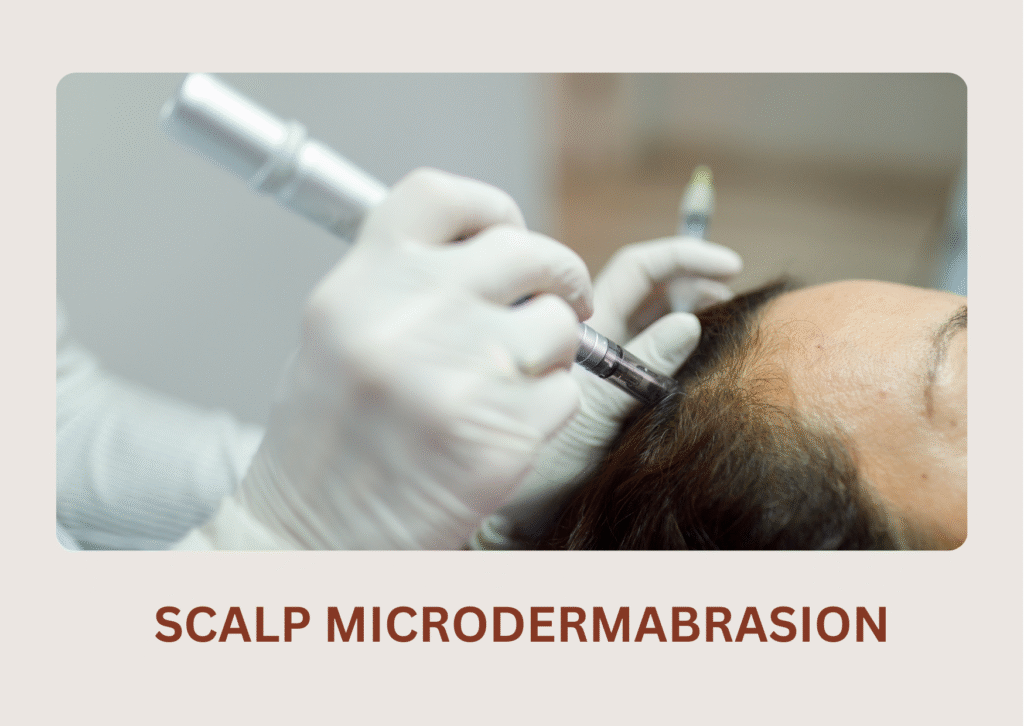
A gentle exfoliation technique to remove dead skin cells, promote blood circulation, and restore scalp health.
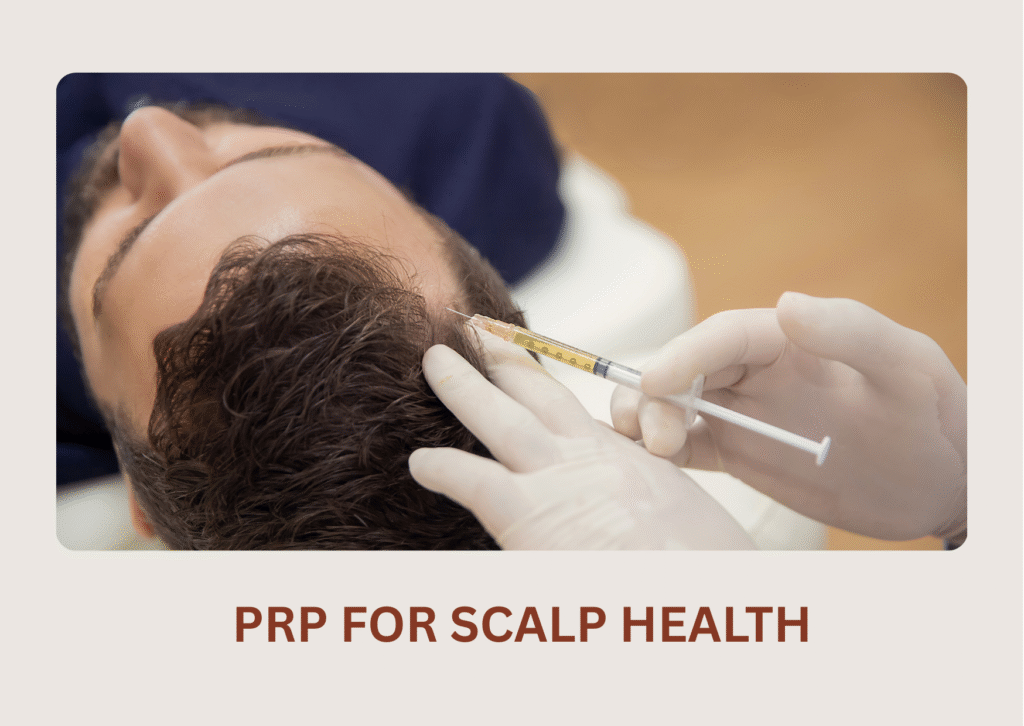
Platelet-rich plasma therapy that stimulates the scalp, improving its overall health and reducing dandruff.
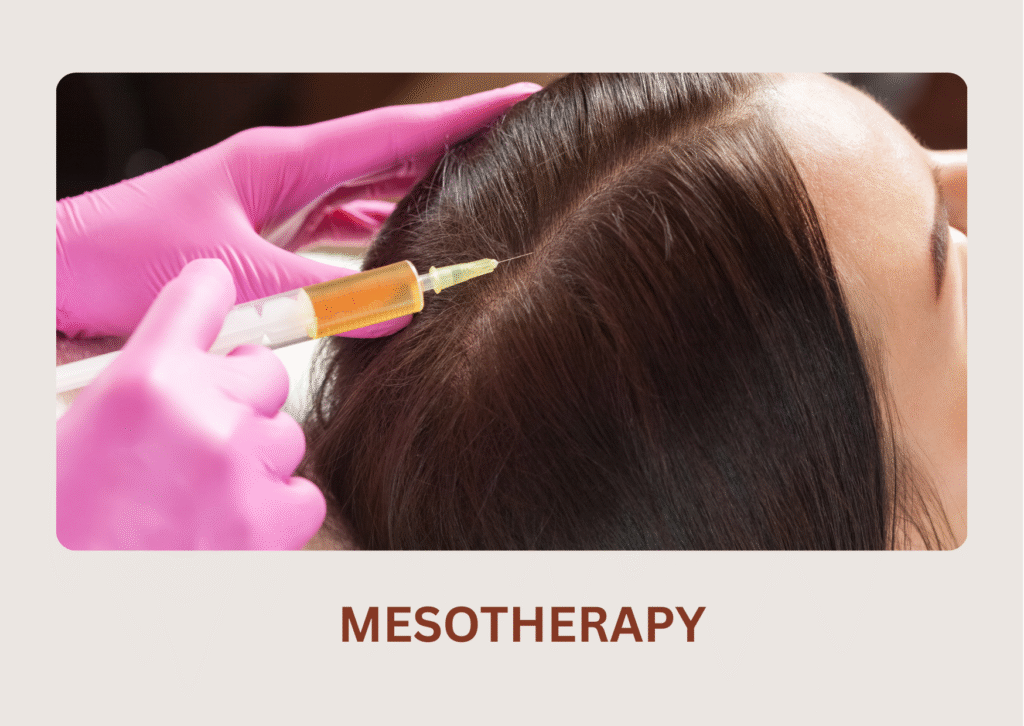
Micro-injections of vitamins and nutrients that strengthen the scalp and reduce dandruff symptoms.
Prevent dandruff by managing Malassezia yeast overgrowth, excess oil, and scalp irritation through consistent hygiene and lifestyle habits.
Daily Hair Care: Wash hair 2-3 times weekly with anti-dandruff shampoos containing zinc pyrithione, ketoconazole, or tea tree oil; alternate with mild ones to avoid dryness.
Scalp Maintenance: Brush damp hair twice daily to distribute oils, massage scalp regularly, and protect from sun with hats to reduce buildup.
Diet and Nutrition: Eat zinc-rich foods (nuts, seeds), B-vitamins (eggs, greens), and healthy fats (fish, avocados); include probiotics for gut-scalp health.
Lifestyle Tips: Manage stress via yoga, avoid hot water washes, and limit sugary/processed foods that fuel yeast growth.
Many of the techniques for preventing pimples may also be used to cure them. Eating well, avoiding stress, and not popping pimples may help manage zits and reduce their length. If your acne continues despite your best efforts, you may need prescription acne treatment. Consult your dermatologist if you’re uncertain about treatment.
Dandruff results from Malassezia fungus overgrowth feeding on scalp oils, triggering rapid cell turnover and flakes.
No, dandruff spreads via yeast naturally on skin, not person-to-person; hygiene influences severity.
Indirectly yes, through scratching-induced follicle damage or inflammation; treatment prevents progression.
Dandruff is manageable but recurring; consistent anti-fungal shampoos control symptoms long-term.
Yes, zinc/B-vitamin deficiencies worsen it; omega-3s and probiotics support scalp health.