


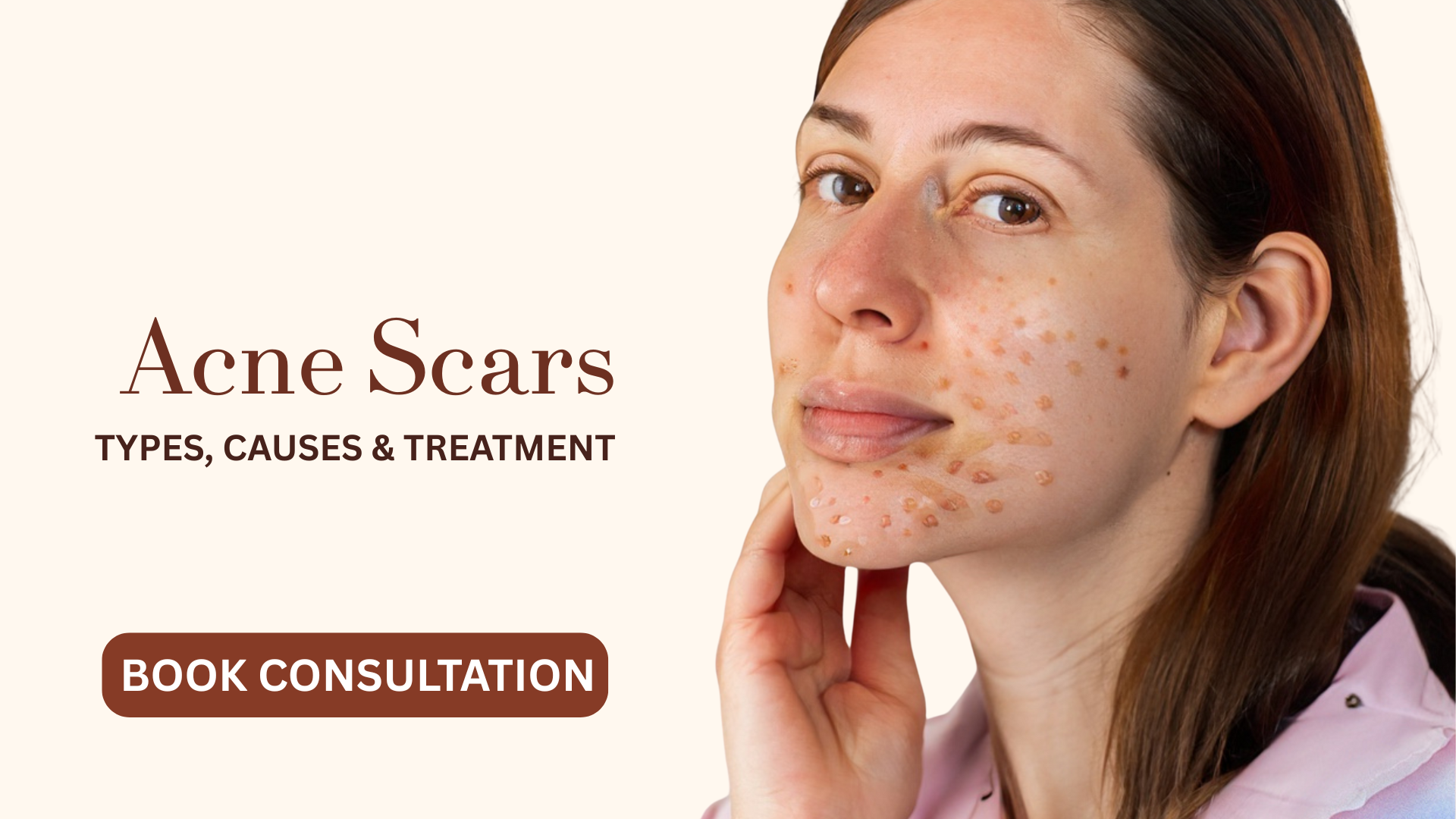
Clear, Healthy & Confident Skin with Acne Scars Treatment
Acne scars can affect your confidence and leave behind uneven skin texture long after breakouts fade. At Urban Skin & Hair Clinic, Pune, we offer advanced and result-driven acne scar treatment in Pune designed to target pigmentation, deep pits, and rough skin texture. Our expert dermatologists use cutting-edge technologies like laser treatment, chemical peels, and microneedling to deliver smoother, clearer, and more radiant skin. Every treatment plan is customized based on your skin type and scar condition, ensuring safe and effective results. If you’re searching for the best acne scar treatment clinic in Pune, Urban Skin & Hair Clinic is your trusted destination to restore your skin clarity and boost your confidence.
Symptoms and Causes
Symptoms of Acne Scars
Acne scars are long-lasting marks that remain after acne heals, affecting both skin texture and confidence. If you’re looking for acne scar treatment in Pune, understanding the symptoms is the first step toward choosing the right solution.
Common Symptoms of Acne Scars:
Atrophic scars (depressed scars):
Includes ice pick, boxcar, and rolling scars caused by collagen loss. These are commonly treated with advanced acne scar removal treatments in Pune like microneedling and laser therapy.Hypertrophic & keloid scars (raised scars):
Thick, elevated scars formed due to excess collagen production. Professional dermatology clinics in Pune offer specialized treatments to reduce their appearance.Hyperpigmentation & hypopigmentation:
Dark spots or lighter patches that affect overall skin tone. Many people seek skin pigmentation treatment in Pune to restore even complexion.Uneven skin texture:
Rough skin surface and enlarged pores around scarred areas, which can be improved with advanced skin resurfacing treatments in Pune.Redness & inflammation:
Fresh acne scars may appear red and inflamed, requiring early intervention from the best skin specialist in Pune for optimal healing.
If you’re experiencing any of these symptoms, choosing a trusted acne scar clinic in Pune can help you achieve smoother, clearer, and healthier-looking skin.


Causes of Acne Scars
Acne scars form when active acne lesions damage the skin’s collagen and deeper tissues, preventing proper healing and leading to permanent marks. Unlike active acne, scars result from untreated or severe breakouts where inflammation destroys skin structure.
Key causes include:
Severe acne inflammation: Deep papules, nodules, or cysts rupture skin layers, causing tissue loss or excess collagen.
Picking or squeezing pimples: Manual interference worsens damage and delays healing.
Delayed or improper treatment: Untreated acne prolongs inflammation, increasing scar risk.
Skin type and genetics: Thicker or oily skin, or family history, heightens scarring tendency.
Post-inflammatory changes: Hyperpigmentation from melanin overproduction or atrophic pits from collagen breakdown.

What Are the Types of Acne Scars?
Acne scars develop after inflammatory acne heals improperly, categorized mainly by texture and appearance into atrophic (depressed) and hypertrophic (raised) types, with pigmentation changes also common.
Ice Pick Scars: Narrow, deep pits that resemble small puncture wounds, often from severe cystic acne. | Appearance: Deep, V-shaped holes up to 2mm wide. | Common Areas: Cheeks.
Boxcar Scars: Broad, box-like depressions with defined edges due to tissue loss. | Appearance: Flat-bottomed craters, shallow to deep. | Common Areas: Cheeks, temples.
Rolling Scars: Wavy, uneven skin texture from fibrous bands pulling down the surface. | Appearance: Sloping sides creating a rolling effect. | Common Areas: Cheeks.
Hypertrophic Scars: Thickened, raised scars from excess collagen production. | Appearance: Firm, red or purple lumps. | Common Areas: Jawline, chest.
Keloid Scars: Overgrown scars extending beyond the original wound. | Appearance: Large, shiny, dome-shaped growths. | Common Areas: Shoulders, back.
Post-Inflammatory Hyperpigmentation (PIH): Flat, darkened spots from melanin buildup.
| Appearance: Brown, red, or purple patches. |
Common Areas: Face, neck.
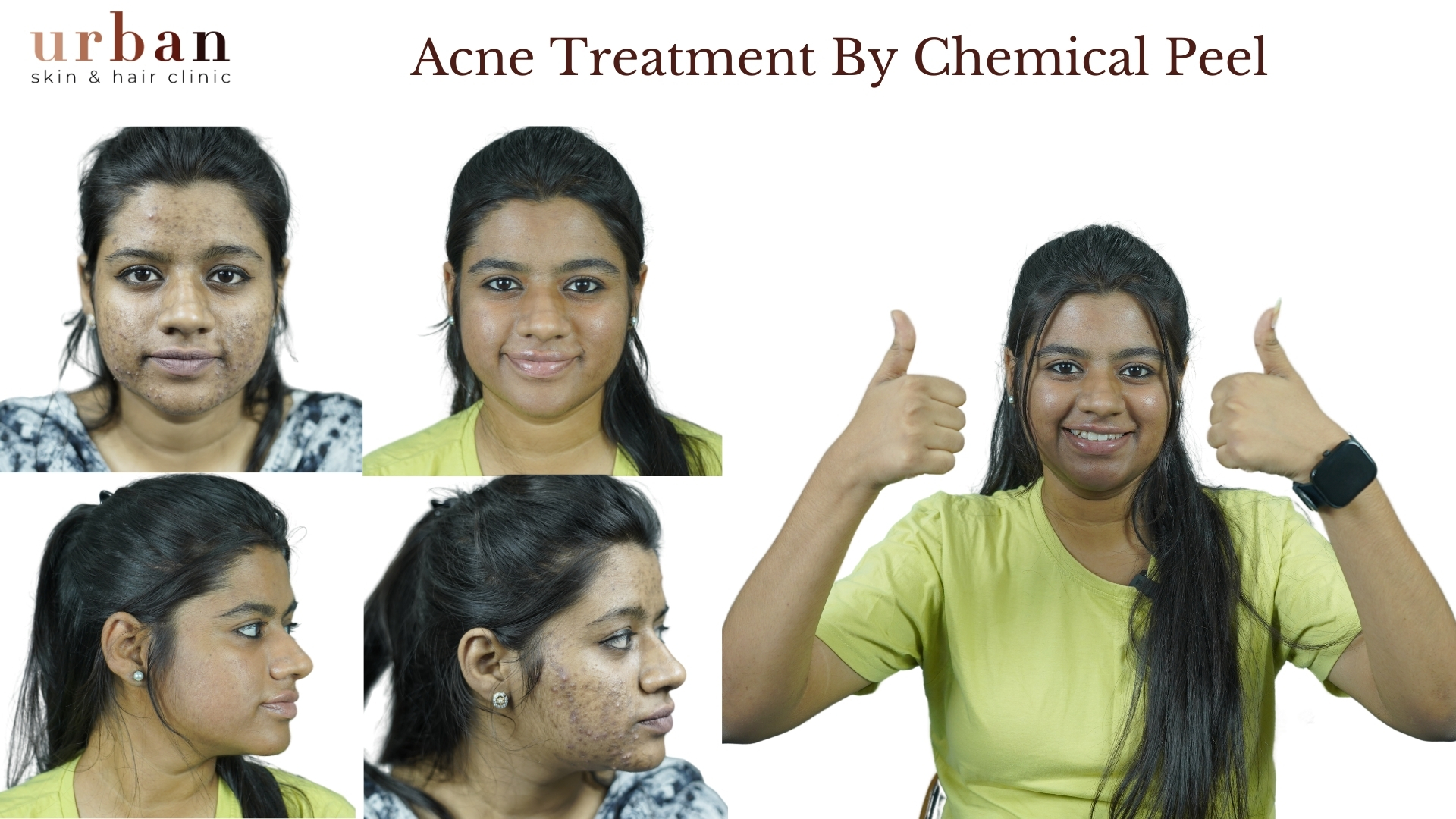
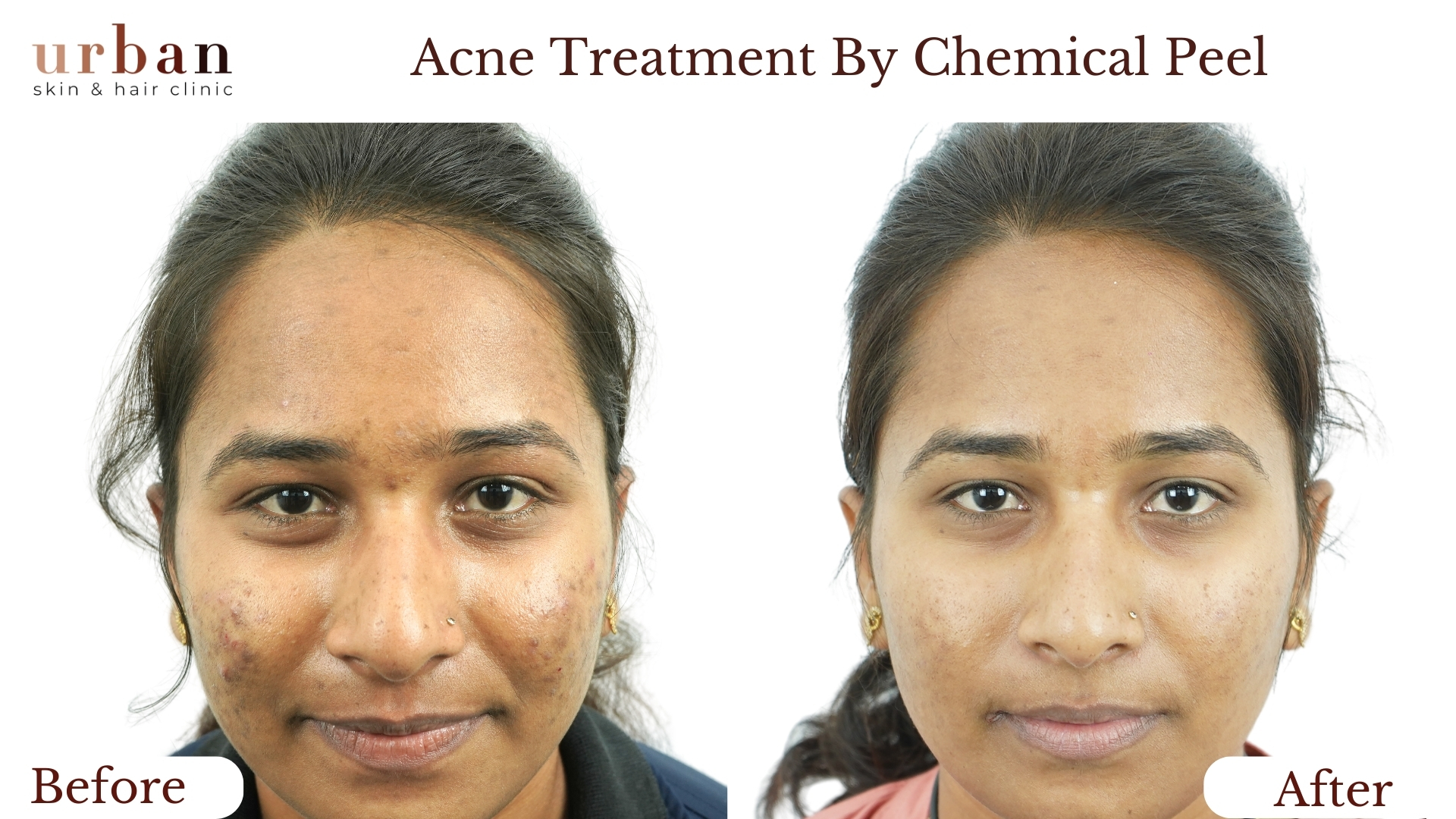
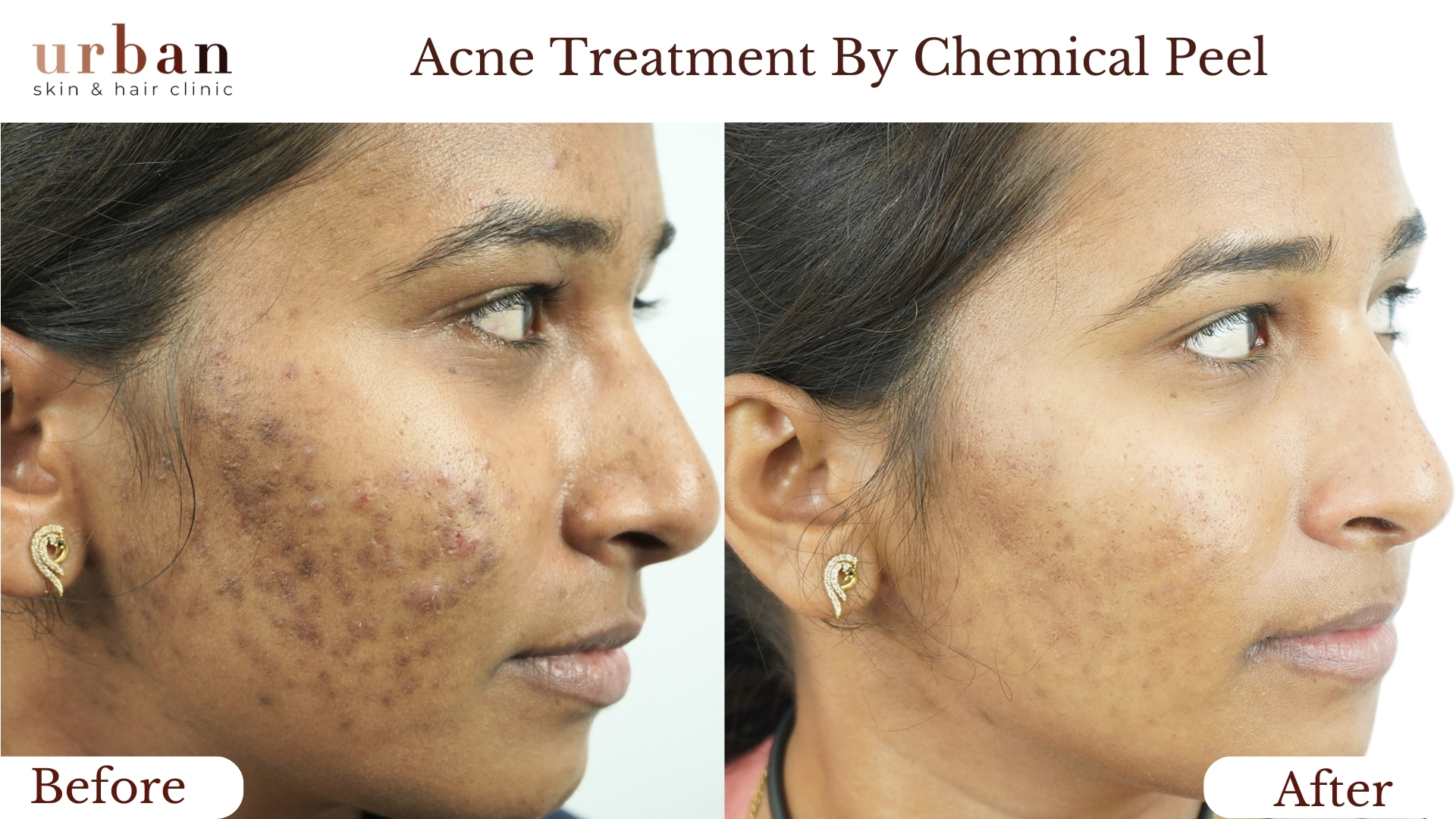
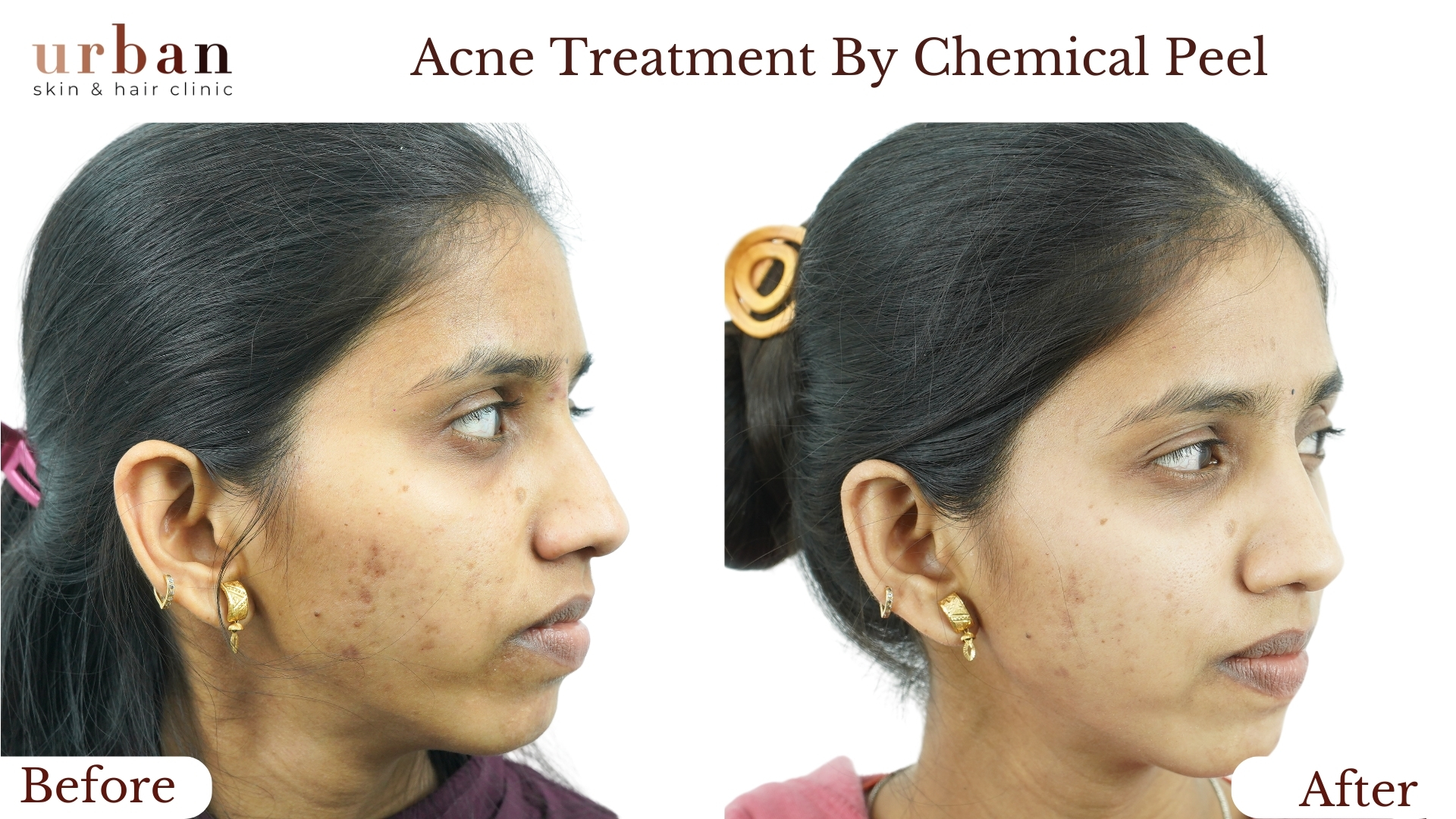
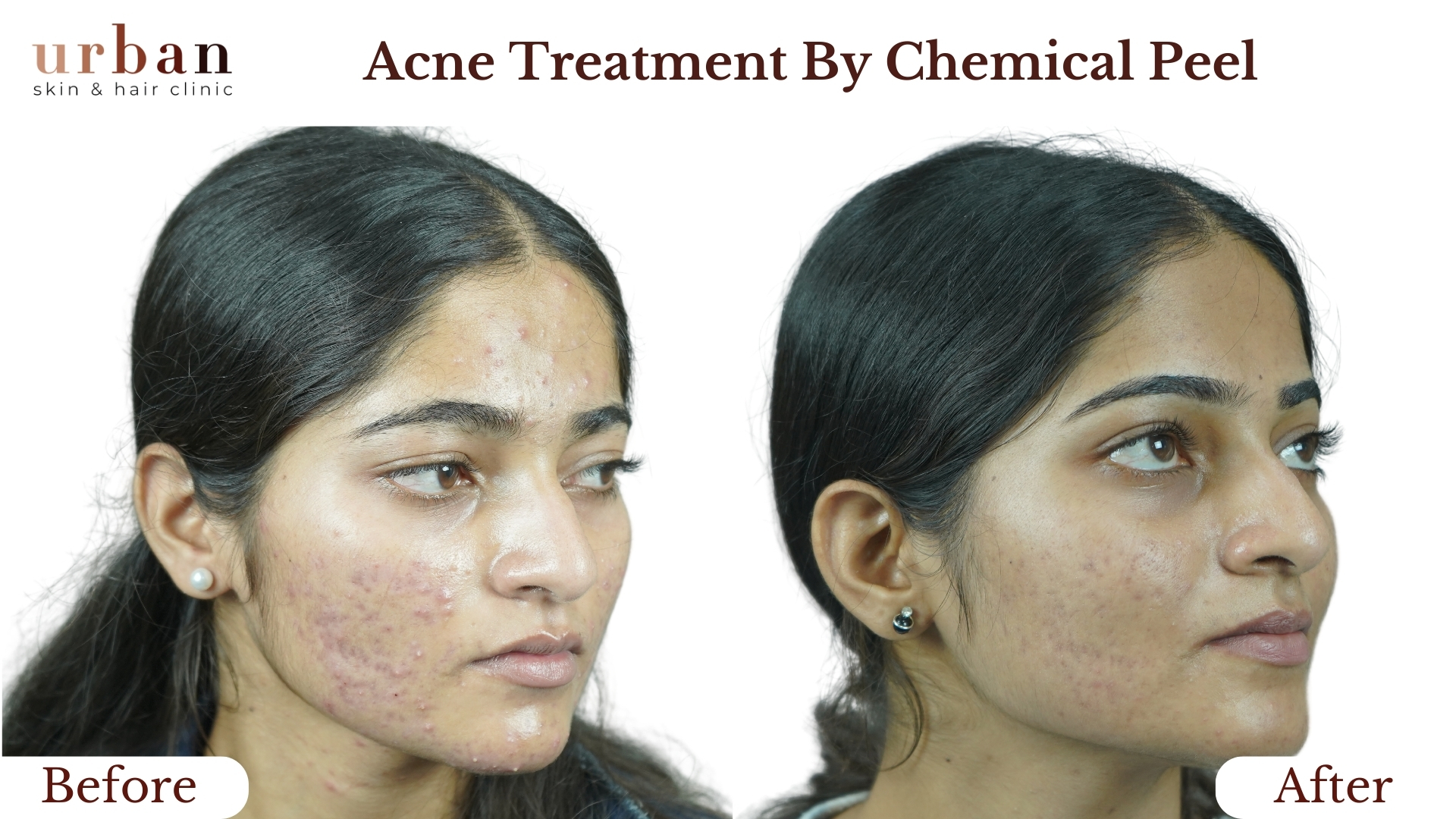
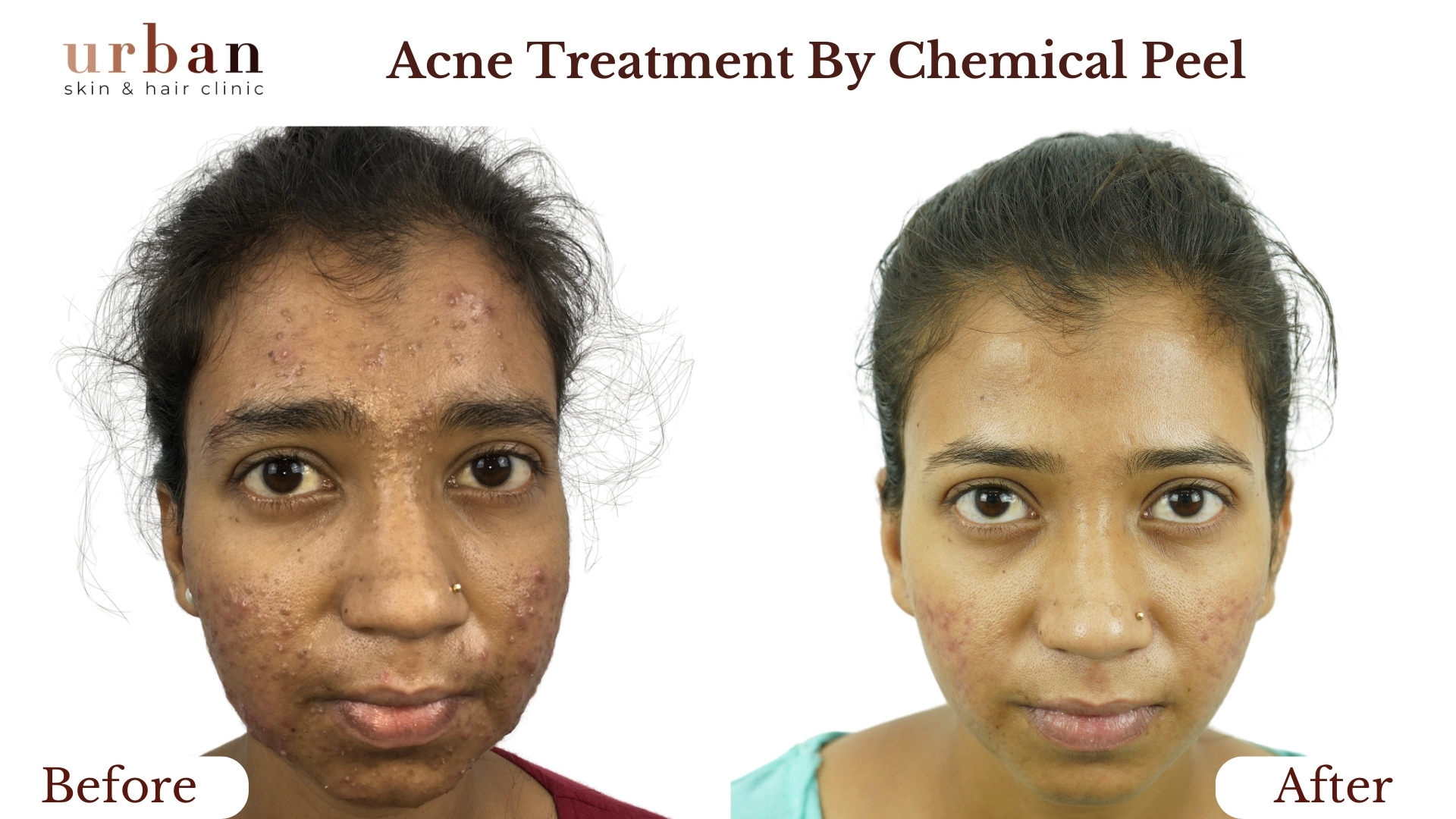
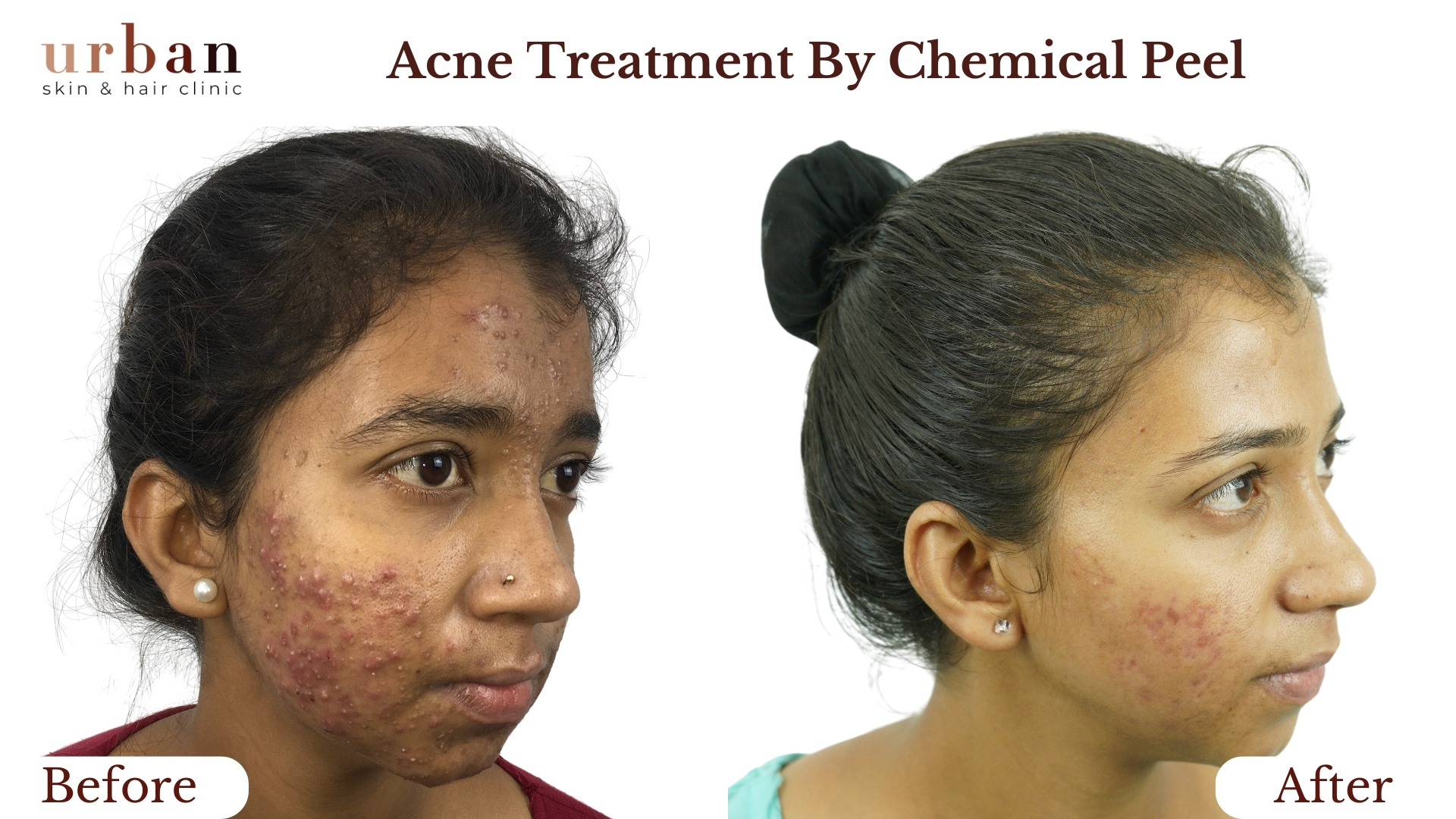
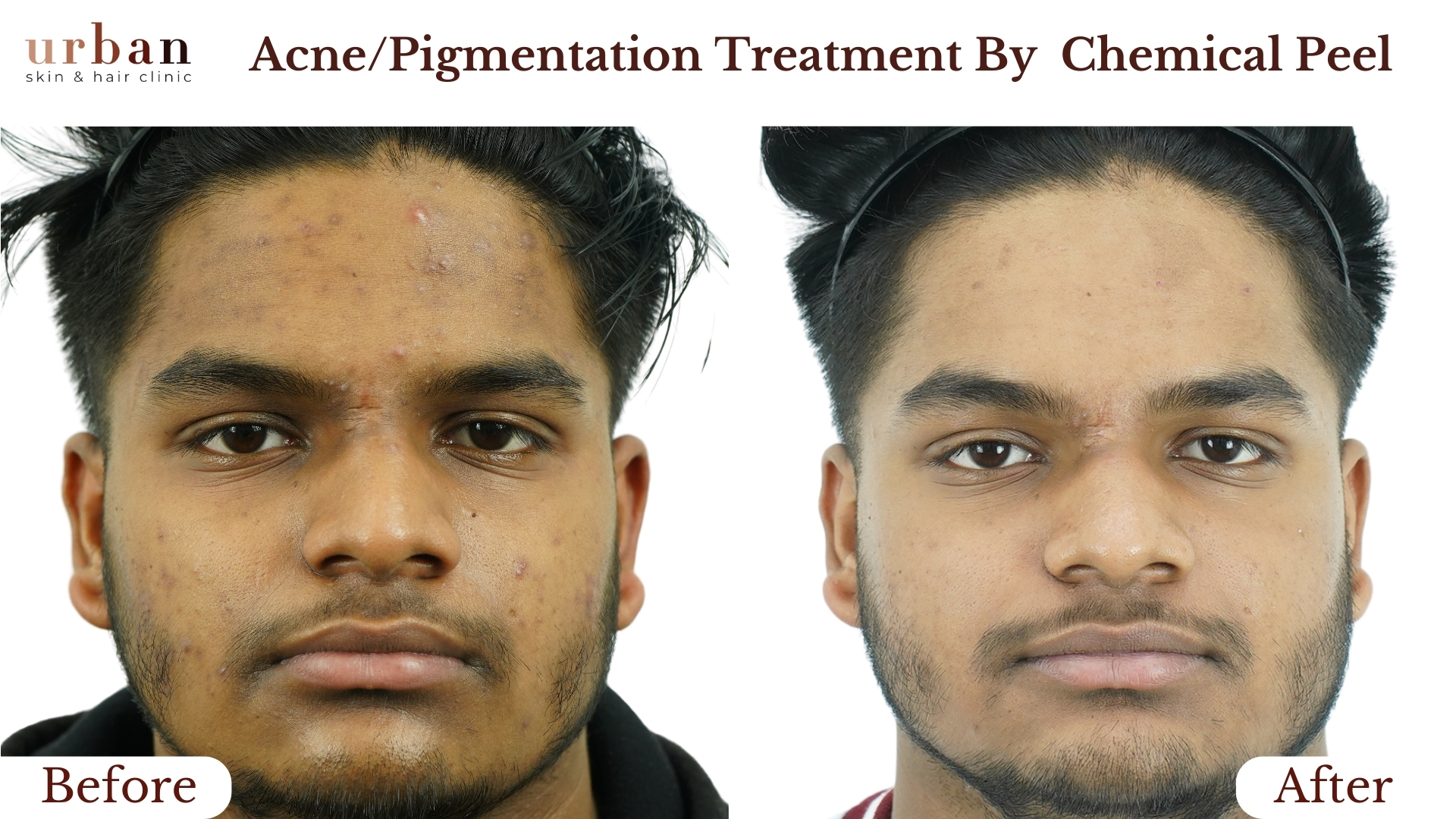
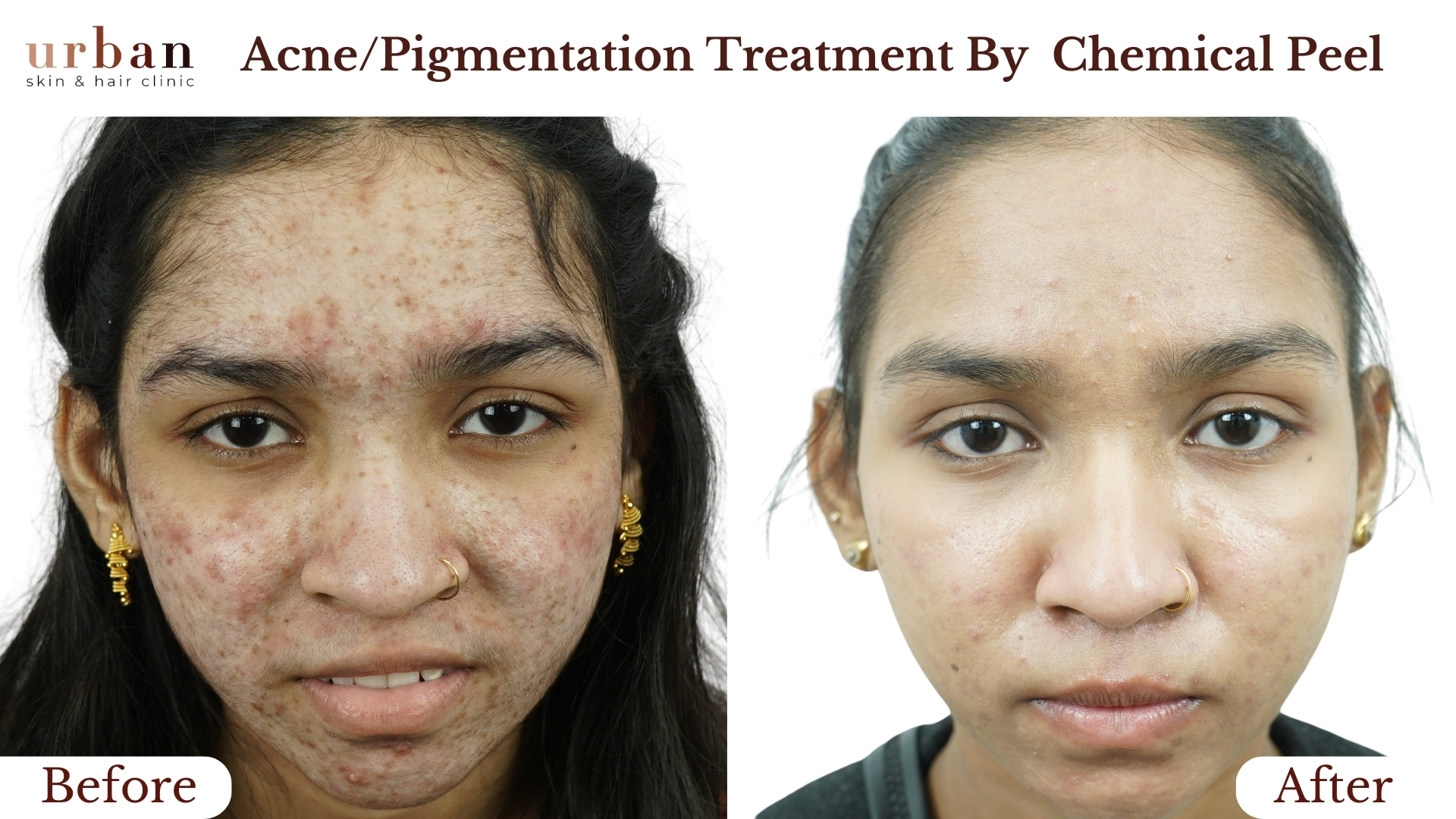
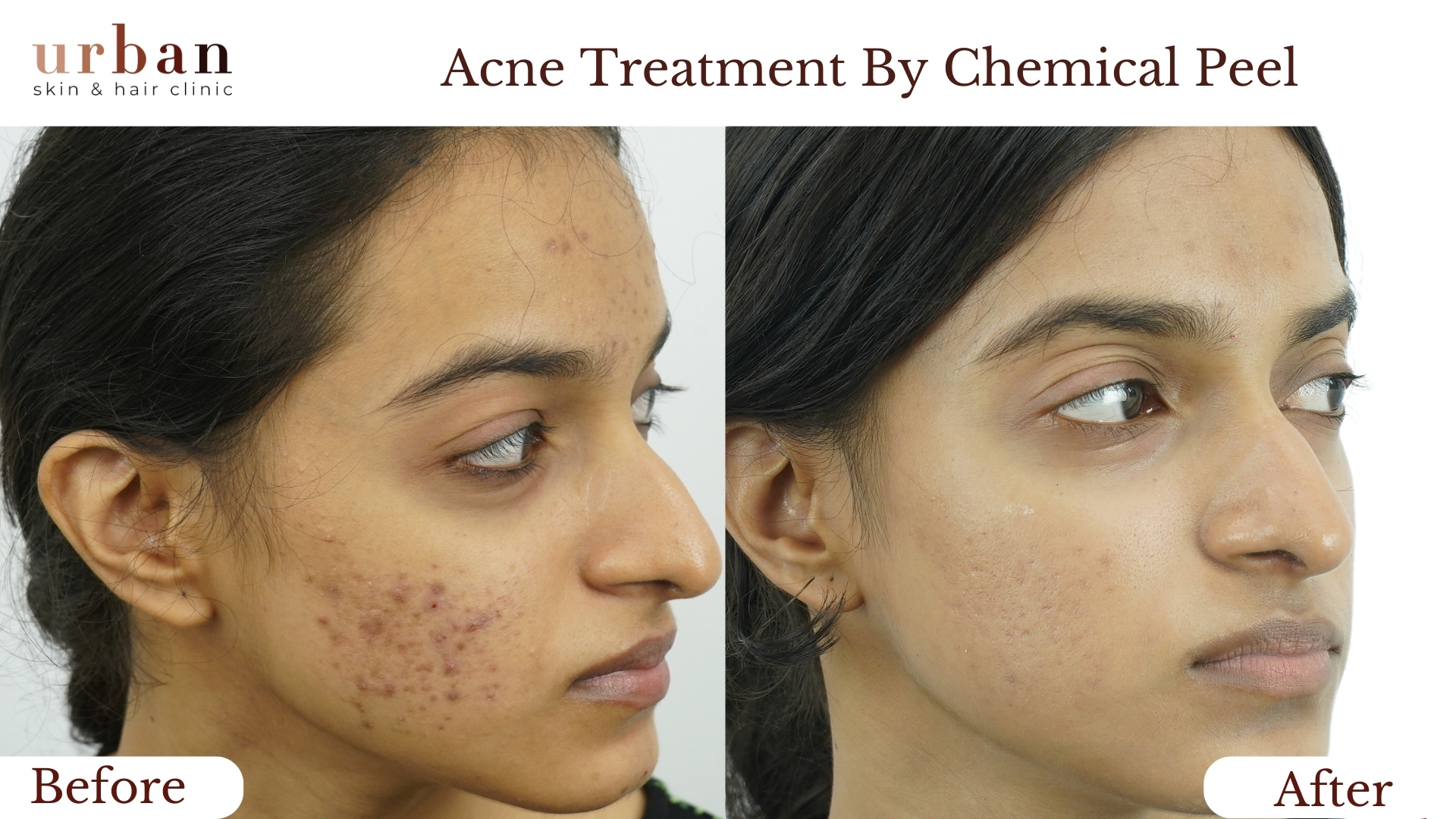
Acne Scars Treatment Results Before & After

Benefits of Acne Scars Treatment
Experience the transformative benefits of expert acne scar treatment at Urban Skin Hair Clinic (USHC):
Achieve Smoother Skin: Restore even texture by filling pits and reducing depressions for a radiant complexion.
Fade Discoloration: Lighten hyperpigmentation and red marks, evening out skin tone effectively.
Boost Collagen Production: Stimulate natural repair to plump and firm scarred areas over time.
Enhance Confidence: Enjoy clearer, scar-free skin that improves self-esteem and daily comfort.
Prevent Worsening: Early intervention stops new scars and promotes long-term skin health.
Personalized Results: Tailored plans with lasers, peels, and microneedling deliver optimal outcomes for your skin type.

Popular Treatments for Acne Scars
Clears active acne and brightens the skin by removing clogged, damaged surface layers.
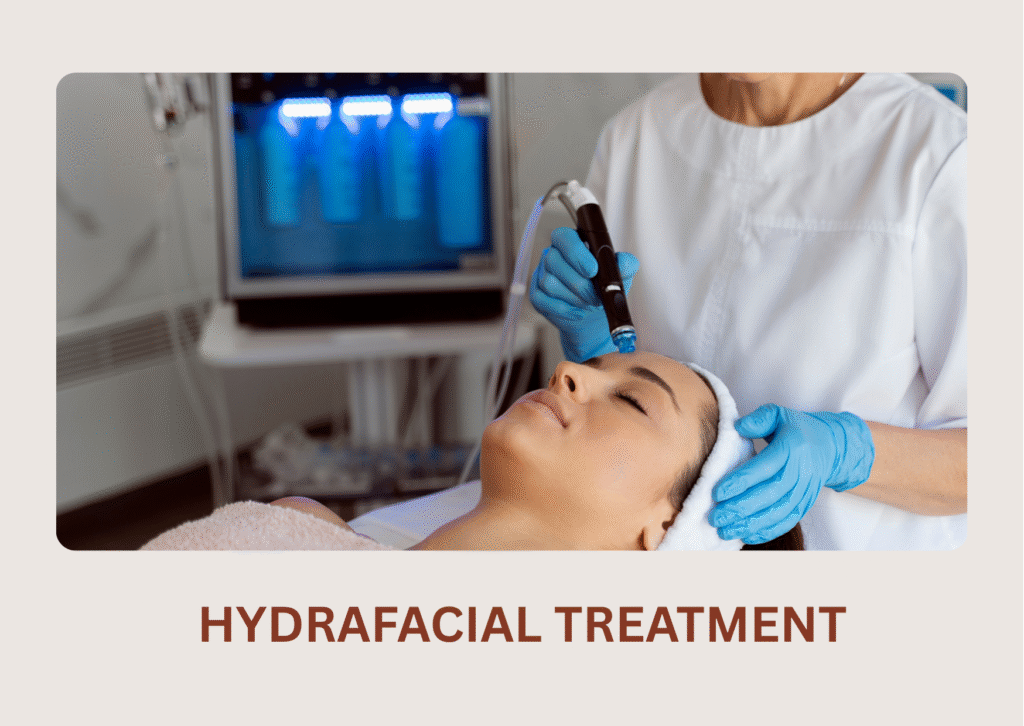
Deeply cleanses pores and reduces acne-causing oil and bacteria for clearer skin.
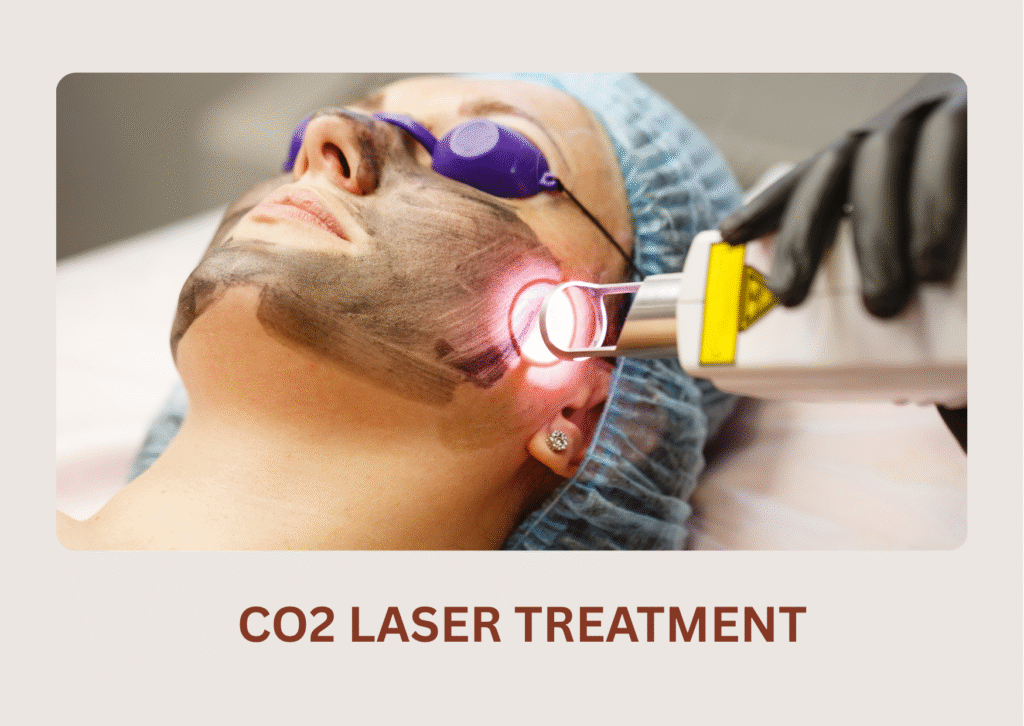
Helps reduce deep acne scars by resurfacing the skin for a smoother texture.
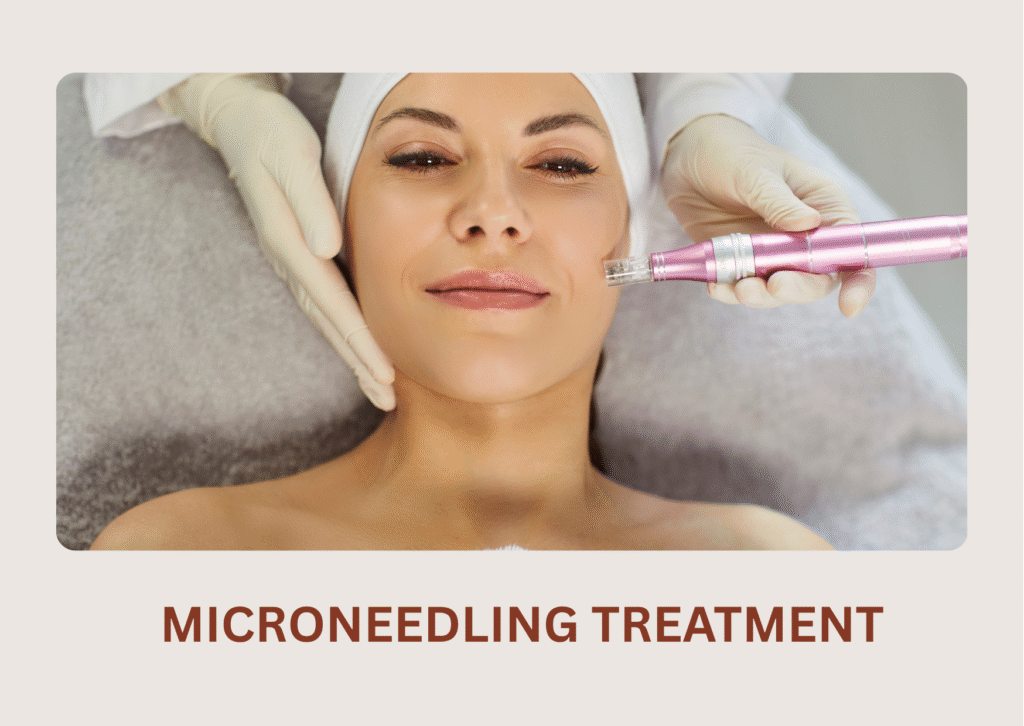
Stimulates collagen to reduce acne scars and improve overall skin texture.
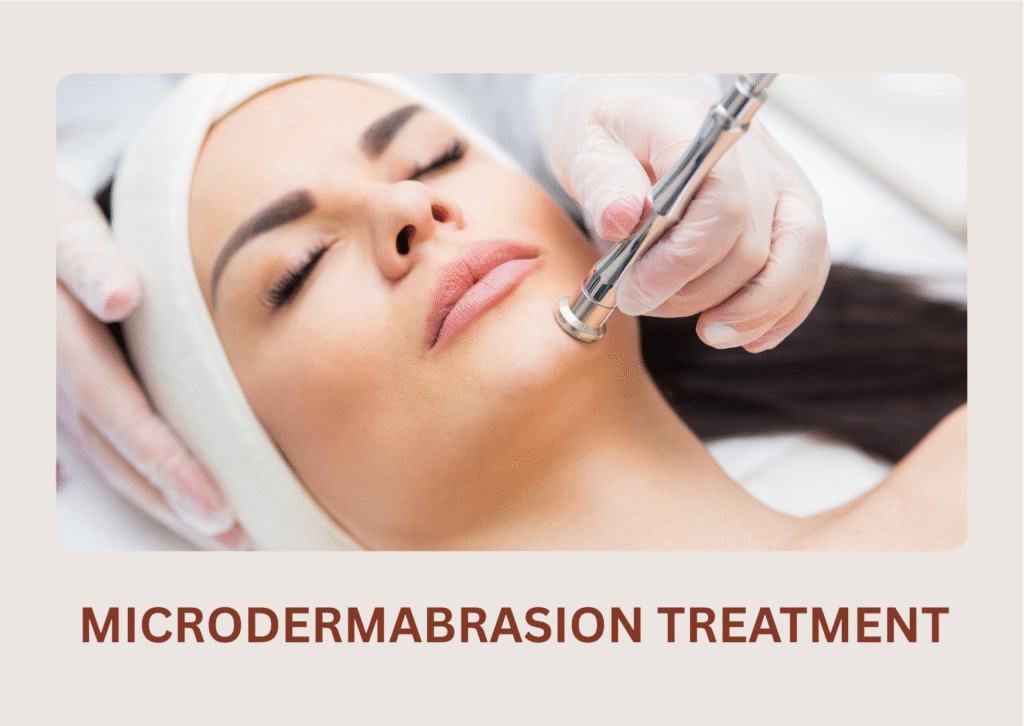
Gently exfoliates dead skin cells to prevent clogged pores and minimize mild acne.
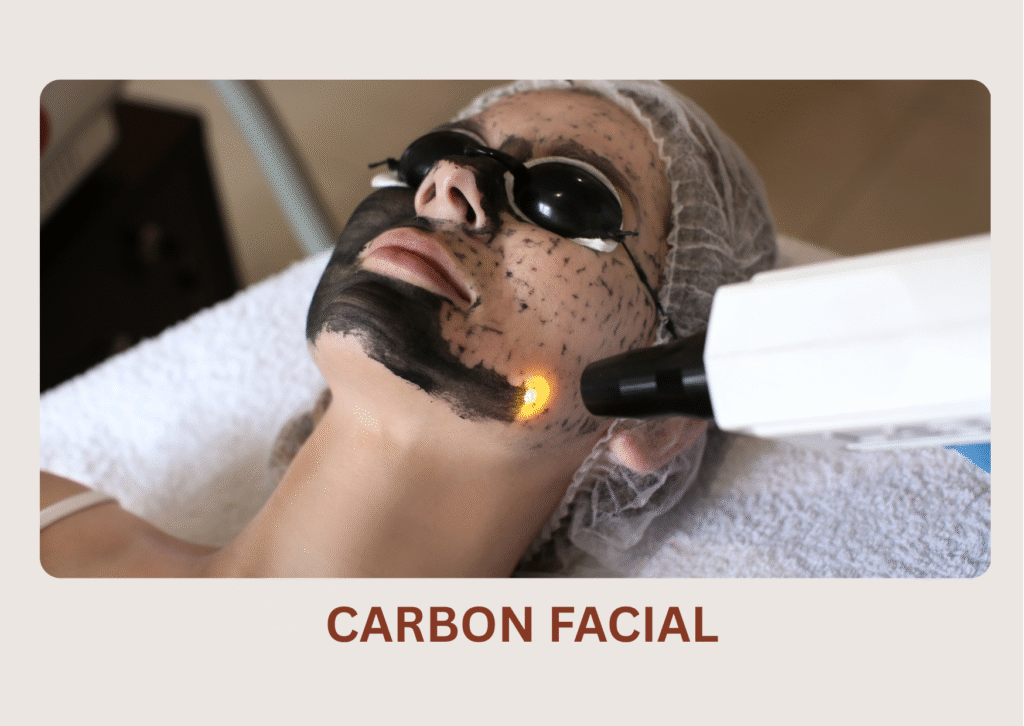
Controls excess oil, shrinks pores, and targets acne-causing impurities for clearer skin.
How To Prevent Acne Scars?
Follow these dermatologist-recommended tips to minimize acne scars by treating active breakouts early and protecting healing skin:
Cleanse gently twice daily with a mild, non-comedogenic cleanser to remove excess oil without irritating skin.
Avoid picking or squeezing pimples, as this spreads inflammation and damages collagen, leading to pits or marks.
Apply broad-spectrum sunscreen (SPF 30+) daily, even indoors, to prevent scars from darkening due to UV exposure.
Use retinoids or salicylic acid treatments early to speed healing and reduce severe lesion formation.
Keep pillowcases, towels, and phones clean weekly to limit bacterial buildup that worsens acne.
Does Self-Care Help?
Self-care offers short-term relief for mild cases but falls short for moderate to severe acne prone to scarring. Consult a dermatologist at Urban Skin Hair Clinic (USHC) promptly for professional intervention to avoid permanent damage.
What Are Acne Scars?
Acne scars are marks or depressions that appear after breakouts subside. Acne occurs when a build-up of excessive sebum, dead cells and bacteria clog the skin pores and cause inflammation. Mild acne may lead to post-inflammatory hyperpigmentation or pimple marks. However, deeper lesions cause collagen damage that adversely affects the texture of the skin and results in permanent acne scars.
Since pimples affect 90% of the teenagers, acne scar is a common skin concern that requires medical attention. However, to minimise your acne scars, it is essential first to manage your pimples effectively. Let us find out the primary causes of acne scars before exploring its types and treatments.
Symptoms and Causes
Symptoms of Acne Scars
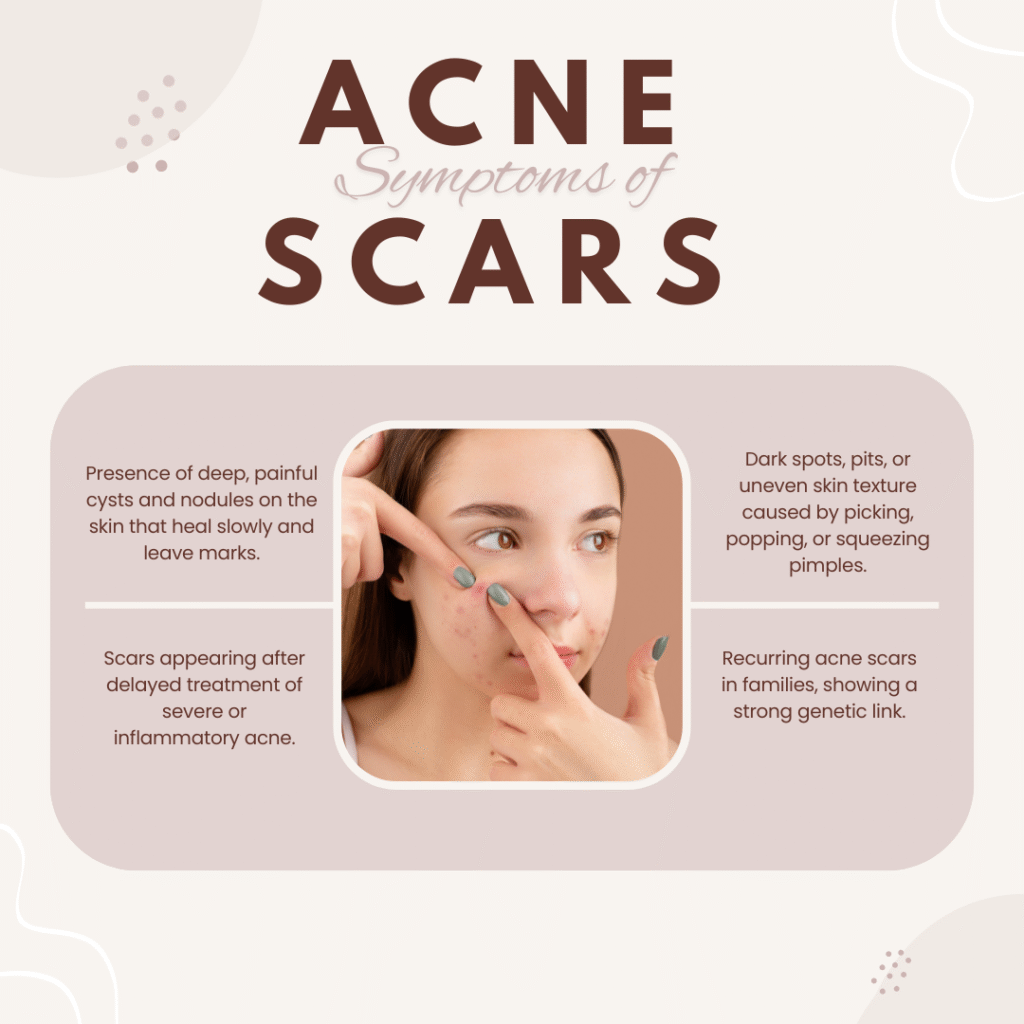
Any grade or severity of acne can result in scars based on the healing response of the skin. However, you may be at a higher risk of developing acne scars if:
- You are having severe breakouts that comprise of cysts and nodules.
- You delayed the treatment response to a bout of inflammatory acne.
- You picked, popped or squeezed the acne.
- You have a family history of acne and acne scars.
If you can relate to any of the above scenarios, you are likely to have acne scars. Go ahead and learn more about the type of acne scar you may be having as that will determine the specialised treatment you may require to reduce it.
Causes of Acne Scars
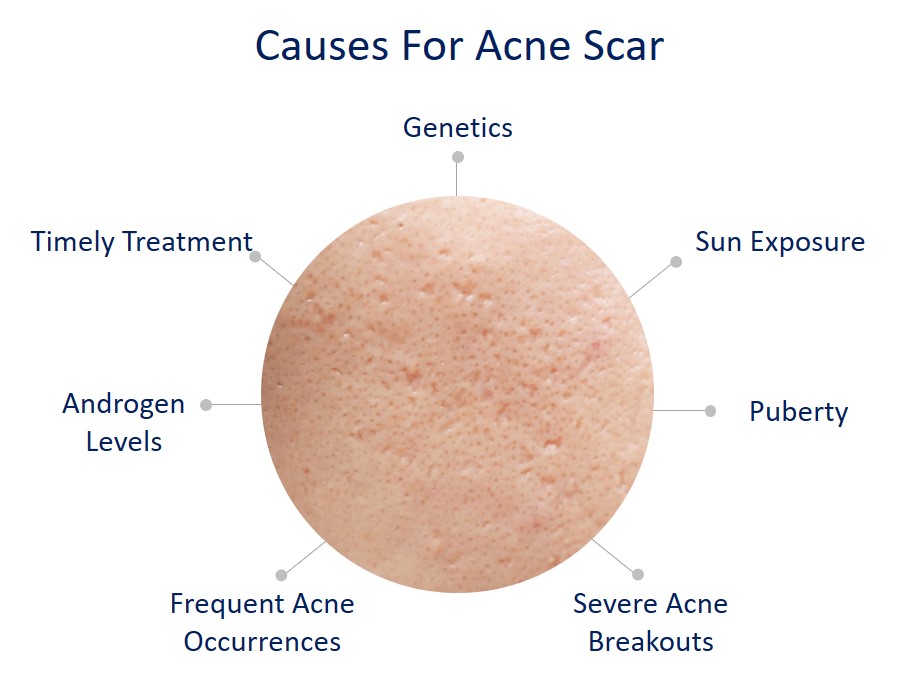
Acne scars form when breakouts damage the skin and the body’s natural healing process leaves marks behind. Common causes include:
Inflammatory acne – Deep pimples, nodules, and cysts often damage skin tissues.
Delayed treatment – Untreated or severe acne increases the risk of scarring.
Popping or squeezing pimples – This pushes bacteria and oil deeper, worsening skin damage.
Loss or excess of collagen – During healing, too little collagen causes depressed scars, while too much leads to raised scars.
Genetics – If your family is prone to acne scars, you may have a higher risk.
Types Of Acne Scars
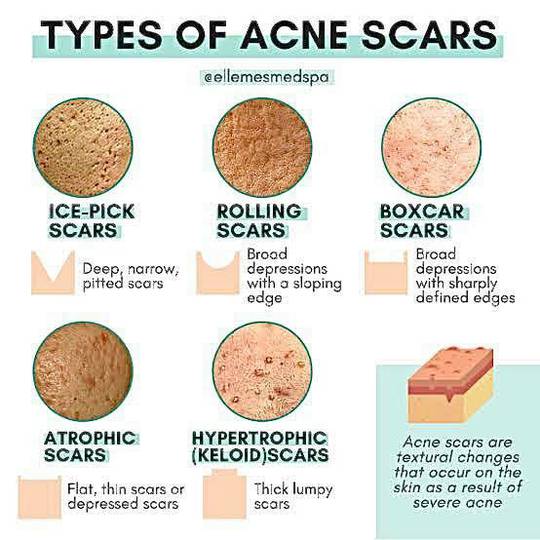
Two types of acne scars atrophic (depressed) or hypertrophic (elevated) occur based on the collagen levels of the skin while healing after a breakout. Only 10% of acne scars are hypertrophic, also called keloids.
Expert dermatologists further classify atrophic scars into the following subtypes:
- Ice pick scars refer to narrow and vertical acne scars that have sharp margins and a diameter of less than 2mm.
- Rolling scars are skin pits that have a diameter of up to 5mm, an undulating appearance and round margins.
- Boxcar scars are more extensive than rolling scars with defined margins and a width ranging from 1.5mm to 4mm.
The success of scar revision treatment depends on the type and severity of the scar.
Pathophysiology Of Acne Scars
Scars form when the body tries to heal itself after an injury or trauma to the skin. It may be sequelae to acne, burns, wounds, chickenpox, vaccinations and surgeries. Acne scars may be atrophic or deep-pitted due to collagen loss during the healing process. Hypertrophic scars are raised, thick and lumpy in appearance and occur due to excessive collagen production after acne subsides.
Common Signs & Symptoms
Here are the signs and symptoms of acne scars that may commonly appear on your face, chest and back if you are prone to having pimples:
- Deep pits on the skin.
- Raised lesions on the skin.
- Dark pigmentary marks that occur after acne subsides.
Diagnosis Of Acne Scars
Untreated acne may become severe, cause permanent collagen damage and leave behind visible scars on the skin. A dermatologist can quickly diagnose scarring due to acne during a physical examination. He/she can identify the grade of acne scars, whether it is mild, moderate or severe and recommend a suitable treatment plan.
Prevention and Management Of Acne Scars
Here are some simple tips to prevent acne scars that you can follow if you have pimple-prone skin:
- Seek immediate medical treatment if you are having acne breakouts.
- Resist the temptation to squeeze or pop the pimple.
- Do not attempt to pick at scabs.
- Avoid experimenting with home-remedies as they may aggravate your skin inflammation.
It is time to seek professional solutions if the above tips are not working for you, and you have acne scars.
Self-Care
Unfortunately, the safety and efficacy of home remedies, OTC products and other self-care methods remain medically unproven till date. It is best to avoid using them to rule out the risk of triggering acne, aggravating your scars and suffering from severe side-effects.
Dermatologists at Oliva specialise in providing customised medico-aesthetic solutions for reducing all types and grades of acne scars. They may recommend the following procedures as a standalone or combination treatment based on your skin and scar type, the severity of the condition and affected area to achieve optimal results:
- Pixel Laser Skin Resurfacing: Our leading dermatologists use revolutionary USFDA-approved laser technology to stimulate collagen production in the scarred tissue.
- Micro-needling Radiofrequency: This advanced acne scar treatment comes with skin tightening benefits too! It involves the use of radiofrequency technology to treat acne scars and improve skin texture.
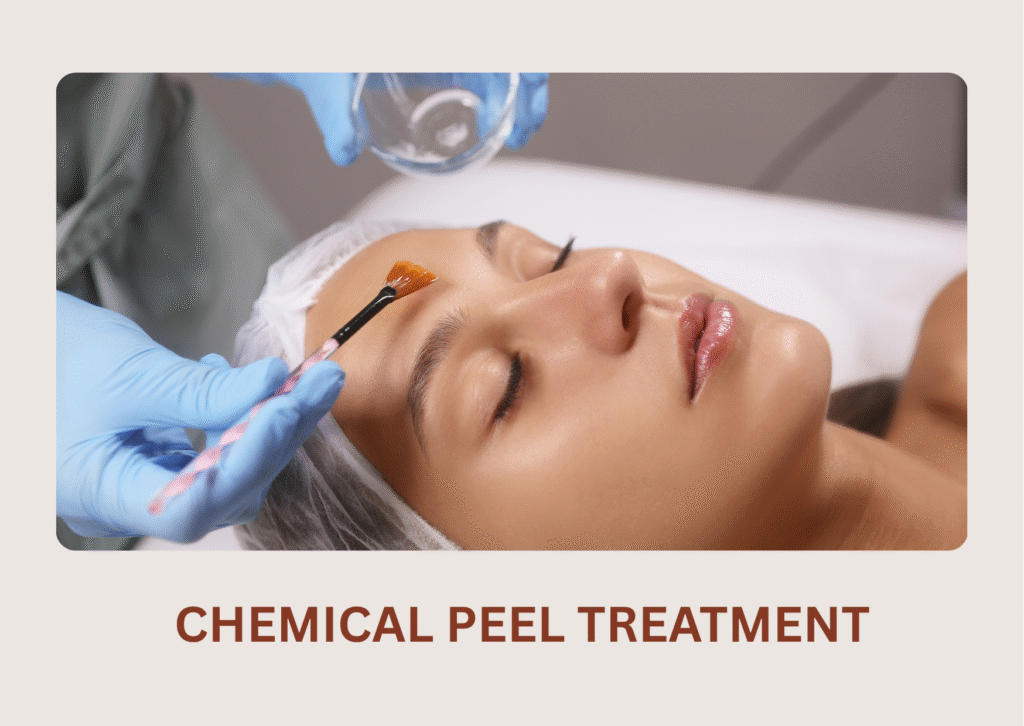
- Chemical Peels: Our experienced medical team may apply plant-based extracts to exfoliate the damaged layers of the skin. TCA Cross peel is a specialised treatment for minimising ice pick scars.
- Subcision: This is a minimally invasive treatment performed by our expert doctors to reduce the depth of the acne scars effectively.
- Intralesional Injections: Our professional medical team may use specialised injections to reduce the size of raised acne scars visibly.
- Laser Toning: This modality involves the use of advanced laser technology to reduce flat, red and pigmented acne scars. It helps correct post-acne skin discolouration.
Pre & Post-Care Guidelines Related To Acne Scar Treatments:
Dermatologists at Oliva have a holistic approach and provide adequate pre and post-care guidance to achieve the best results with minimal downtime and side-effects.
Consult a Specialist Today
Many of the techniques for preventing pimples may also be used to cure them. Eating well, avoiding stress, and not popping pimples may help manage zits and reduce their length. If your acne continues despite your best efforts, you may need prescription acne treatment. Consult your dermatologist if you’re uncertain about treatment.
FAQ's
Advanced acne scar treatment in Pune helps boost the skin’s natural healing and reduces scar depth effectively. Modern solutions like laser, microneedling, and peels improve overall skin texture and tone. These treatments stimulate collagen for smoother, clearer skin. Choose the best skin clinic in Pune for safe, visible, and long-lasting results.
No, most acne scars do not fade naturally and often need professional acne scar treatment in Pune for visible improvement. Advanced procedures like laser therapy, microneedling, and chemical peels performed by expert dermatologists help reduce scar depth and improve skin texture. Consulting the best skin specialist in Pune ensures safe and effective results.
Yes, a qualified dermatologist may recommend topical treatments with Vitamin A along with advanced acne scar treatment in Pune for better results. These combined approaches help boost skin renewal, reduce scar depth, and improve texture. Consulting the best dermatologist in Pune ensures a personalized plan for effective and long-lasting acne scar reduction.
All grades of acne can lead to some form of permanent scarring if not treated on time. Seeking early acne treatment in Pune helps prevent long-term skin damage and reduces the risk of scars. Consulting the best dermatologist in Pune ensures proper care and effective solutions for healthy, clear skin.
Yes, with advanced acne scar treatment in Pune, you can expect up to 90% reduction in scar visibility. Results depend on the severity of scars and how early you begin treatment. Consulting the best skin clinic in Pune ensures personalized care and effective, long-lasting improvement in skin texture.