


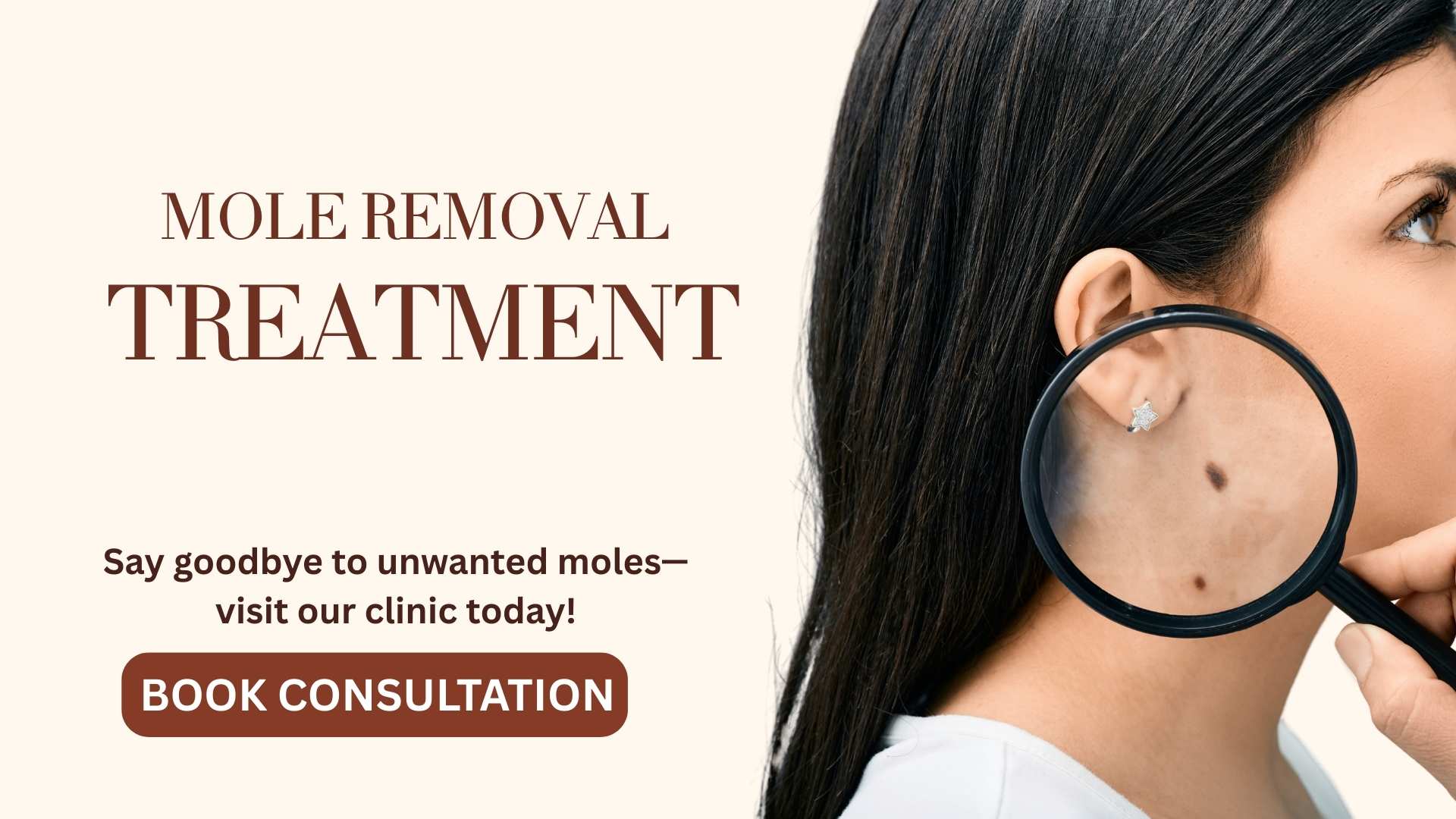
Clear, Smooth & Spot-Free Skin with Mole Removal Treatment in Pune at the trusted Urban Skin and Hair Clinic, Shivajinagar Pune.
Unwanted moles, skin tags, or raised spots can affect your confidence and interfere with smooth, even-looking skin. At Urban Skin and Hair Clinic, our advanced Mole Removal treatments are designed to safely and precisely eliminate moles using cutting-edge dermatology techniques. Whether for cosmetic improvement or medical reasons, our procedures target the mole without damaging the surrounding skin. With expert dermatologists, modern laser and radiofrequency technology, and personalised care plans, we ensure a quick, comfortable, and scar-minimised experience—helping you achieve clear, smooth, and blemish-free skin with minimal downtime.
What is Mole Removal Treatment Pune?
Mole Removal Treatment in Pune is a safe and precise dermatological procedure designed to remove unwanted moles, skin tags, or raised lesions from the skin. Many people opt for mole removal in Shivajinagar, FC Road, and nearby areas of Pune for cosmetic improvement, discomfort relief, or medical advice—especially if a mole changes in size, shape, or colour.
At Urban Skin and Hair Clinic – Best Skin Clinic in Shivajinagar, Pune, mole removal is performed using advanced techniques such as laser mole removal in Pune, radiofrequency (RF), or minor surgical excision, depending on the type of mole. Our experienced skin specialists in Pune ensure the treatment is quick, minimally invasive, and safe for all skin types.

What Are the Types of Moles?
Common Moles (Acquired Nevi)
Small, round or oval brown spots that develop over time.
Common Areas: Face, arms, legs, back.Congenital Moles
Moles present at birth, varying in size and colour.
Common Areas: Anywhere on the body, especially trunk and limbs.Junctional Moles
Flat, smooth, uniformly coloured moles formed at the junction of skin layers.
Common Areas: Feet, hands, chest, and genital area.Compound Moles
Slightly raised, darker moles formed deeper within the skin.
Common Areas: Face, neck, shoulders.Intradermal Moles
Flesh-coloured or lightly pigmented raised moles.
Common Areas: Face, scalp, trunk.Atypical / Dysplastic Moles
Irregular shape, uneven colour, and larger in size—require monitoring.
Common Areas: Back, chest, abdomen, and sun-exposed areas.
Causes of Moles
- Genetics: Moles often run in families.
- Sun Exposure: UV radiation can trigger mole development and darken existing ones.
- Hormonal Changes: Puberty, pregnancy, or hormonal imbalances can increase the number of moles.
- Skin Cell Clustering: Moles form when pigment-producing cells (melanocytes) grow in clusters rather than spreading evenly across the skin.
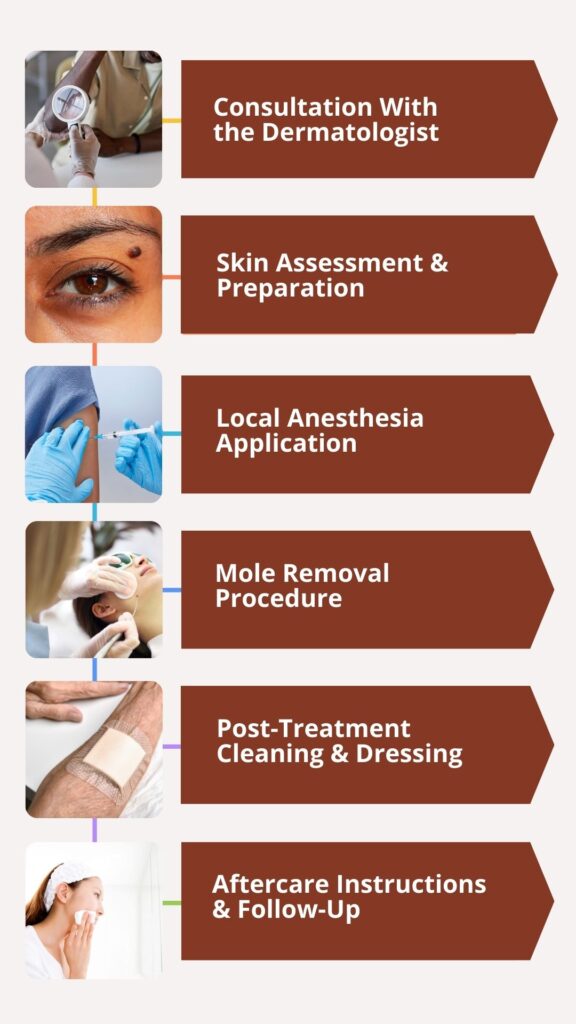
Mole Removal Treatment Procedure
Consultation & Skin Examination
The dermatologist examines the mole’s size, depth, and type to choose the most suitable removal method.Cleansing & Local Anaesthesia
The area is thoroughly cleaned, and a numbing cream or injection is applied to ensure a painless experience.Removal Technique (Laser / RF / Excision)
Laser: Breaks down mole pigment for small, superficial moles.
RF: Gently shaves off raised moles with precise contouring.
Excision: Completely removes deeper or suspicious moles with minor stitches.
Wound Care & Antiseptic Application
The treated area is cleaned, dressed, and protected to support healing.Post-Treatment Instructions
The dermatologist provides personalised aftercare guidelines to prevent infection and minimise scarring.
Benefits of Mole Removal Treatment
Mole Removal Treatment in Pune is a safe and effective dermatology procedure that enhances your skin’s appearance by eliminating unwanted or irritating moles. At Urban Skin and Hair Clinic – Shivajinagar, Pune, we offer advanced laser mole removal in Pune and precise RF techniques to ensure safe, scar-minimized results.
- Enhances skin appearance by removing unwanted or prominent moles
- Boosts self-confidence and improves overall facial aesthetics.
- Prevents irritation caused by clothing, shaving, or jewellery.
- Reduces the risk of complications from moles that change in size or colour.
- Offers quick and minimally invasive treatment with minimal discomfort.
- Provides long-lasting results with the mole permanently removed.
- Minimises scarring with advanced laser and RF techniques.
- Improves skin smoothness and texture after removal.
- Allows better hygiene and grooming in areas like underarms or beard region.
- Safe for all skin types, with personalised treatment plans for best outcomes.
Pre and Post Treatment Care
Pre-Treatment Care
- Avoid sun exposure on the area for at least 3–5 days before treatment.
- Skip active skincare products like retinoids, AHAs, and BHAs around the treatment site.
- Do not shave or irritate the mole area before the appointment.
- Inform your dermatologist about any medications, allergies, or previous skin treatments.
- Keep the skin clean and avoid applying makeup, creams, or oils on the mole before treatment.
Post-Treatment Care
- Keep the treated area clean and dry for the first 24 hours.
- Apply prescribed ointments regularly to support healing and prevent infection.
- Avoid scratching, rubbing, or picking the treated skin to prevent scarring.
- Protect the area from sun exposure using sunscreen once healing begins.
- Avoid swimming, steam, gym workouts, or heavy sweating for 48–72 hours.
How Treatment Cost Is Decided?
The cost of Mole Removal Treatment in Pune depends on several important factors, including the size, type, location, and number of moles to be removed, as well as the technique used (laser, RF, or minor surgical excision).
At Urban Skin and Hair Clinic – Shivajinagar, Pune, pricing is customised after a detailed skin evaluation to ensure safe, effective, and personalised care. If you are looking for affordable mole removal near FC Road Pune or want consultation at a trusted skin clinic in Pune, our specialists provide transparent guidance based on your individual skin condition, goals, and expectations.
- Severity of the Condition
- Type of Treatment Recommended
- Number of Sessions Required
- Technology & Equipment Used
- Doctor’s Expertise & Clinic Standard
- Customisation of the Treatment Plan
- Area/Extent of Treatment
Get An Appointment
Why Urban Skin and Hair Clinic

TEAM OF CERTIFIED DERMATOLOGISTS

US-FDA APPROVED EQUIPMENTS

HIGHLY STANDARDISED PROTOCOLS

1 LAKH + HAPPY CLIENTS
Mole Removal Treatment FAQ
The duration of Mole Removal Treatment in Pune depends on factors such as the size, location, depth, and type of mole being removed. In most cases, the procedure at Urban Skin and Hair Clinic – Shivajinagar, Pune is quick and convenient, typically completed within 15 minutes to one hour.
For patients seeking laser mole removal near FC Road Pune or treatment at a trusted skin clinic in Pune, the process is minimally invasive with minimal downtime, allowing you to return to your daily routine soon after the procedure.
The cost of Mole Removal procedure in India generally ranges between ₹1,000 to ₹10,000 per mole, depending on factors such as the size, depth, type of mole, number of moles, and the technique used (laser, radiofrequency, or minor surgical excision).
If you are looking for Mole Removal Treatment in Pune, the pricing may vary based on whether you choose laser mole removal in Pune or surgical removal, and the expertise of the dermatologist. At Urban Skin and Hair Clinic – Shivajinagar, Pune, the cost is customised after a detailed skin evaluation to ensure safe, effective, and personalised treatment.
Patients searching for affordable mole removal near FC Road Pune or the best skin clinic in Pune can expect transparent consultation, advanced technology, and minimal downtime procedures designed for smooth, scar-minimised results.
For exact pricing, a personal consultation is recommended, as every mole and skin type is different.
As per individual circumstances, there may be additional costs associated with Mole Removal Treatment in Pune. These can include consultation charges, dermatoscopic evaluation, pre-procedure tests (if required), post-procedure medications, dressings, or follow-up visits.
At Urban Skin and Hair Clinic – Shivajinagar, Pune, we believe in transparent pricing and clear communication. If you are considering laser mole removal near FC Road Pune or visiting a trusted skin clinic in Pune, it is always recommended to discuss the complete cost breakdown during your consultation. This ensures you have a clear understanding of the total expenses and can plan your treatment confidently without surprises.
Yes, Carbon Peel Treatment in Pune (also known as Laser Carbon Peel or Hollywood Peel) is generally considered a safe and effective procedure when performed by experienced dermatologists using advanced laser technology. It is widely used for skin rejuvenation, oil control, acne reduction, enlarged pores, and improving dull skin—with a strong safety profile and minimal downtime.
At Urban Skin and Hair Clinic – Shivajinagar, Pune, our expert skin specialists are highly trained in cosmetic dermatology procedures, including carbon laser peel in Pune. With in-depth knowledge of skin anatomy and physiology, they carefully assess each patient’s skin type, concerns, and suitability before customizing the treatment plan.
If you are searching for carbon peel near FC Road Pune or the best skin clinic in Pune for skin rejuvenation, our clinic ensures safe techniques, hygienic protocols, and personalized care to deliver clearer, brighter, and smoother skin results.
The level of discomfort during Mole Removal Treatment in Pune can vary depending on your pain tolerance, the size and location of the mole, and the technique used (laser, RF, or minor surgical excision).
At Urban Skin and Hair Clinic – Shivajinagar, Pune, most mole removal procedures are performed under local anesthesia to ensure maximum comfort. The treated area is numbed before the procedure, which significantly reduces or eliminates pain. Patients opting for laser mole removal near FC Road Pune may only experience mild pressure, warmth, or slight sensations during the process.
Our experienced dermatologists focus on making the treatment safe, precise, and as comfortable as possible—so you can achieve smoother, clearer skin with minimal discomfort and downtime.
Consult a Specialist Today
Many of the techniques for preventing pimples may also be used to cure them. Eating well, avoiding stress, and not popping pimples may help manage zits and reduce their length. If your acne continues despite your best efforts, you may need prescription acne treatment. Consult your dermatologist if you’re uncertain about treatment.