


Clear, Healthy & Confident Skin with Acne Dark Spots Treatment
Dark spots Also called post-inflammatory hyperpigmentation (PIH), dark spots aren’t technically scars. These are purple or brown patches of melanin that show up after your acne clears and can sometimes last longer than the acne itself. a common skin concern that can occur after acne breakouts. When acne lesions heal, they can leave behind flat, discolored areas on the skin, which are usually darker than the surrounding skin tone. These dark spots are caused by an overproduction of melanin, the pigment responsible for skin color. Dark spots are more common in skin of color and will fade on their own with time.
Is Acne And Dark Spots Are Same?
Acne and dark spots are not the same thing, although they can be related.
Acne refers to a common skin condition characterized by the presence of inflamed or non-inflamed lesions on the skin, typically on the face, neck, chest, and back. These lesions can take the form of pimples, blackheads, whiteheads, cysts, or nodules. Acne occurs when hair follicles become clogged with oil, dead skin cells, and bacteria, leading to inflammation and the formation of acne lesions. When the pimple pops, your body tries to replace the damaged skin and restore its smoothness by sending new skin cells.
Acne refers to the actual presence of acne lesions on the skin, while dark spots or post-inflammatory hyperpigmentation are the marks that remain after the acne lesions have healed. The dark spots are a result of the skin’s response to the inflammatory process triggered by acne.
Types Of Acne Dark Spots?
Dark spots can occur due to various reasons beyond acne-related hyperpigmentation. Here are some common types of dark spots that can appear on the skin:
- Sunspots or Solar Lentigines: Sunspots, also known as solar lentigines or age spots, are dark, flat spots that develop on areas of the skin exposed to the sun. They are typically brown, tan, or black in color and are caused by long-term sun exposure. Sunspots commonly appear on the face, hands, arms, shoulders, and other sun-exposed areas.
- Melasma: Melasma is a common skin condition characterized by patches of dark brown or grayish-brown discoloration on the face, particularly on the cheeks, forehead, nose, and upper lip. It is often associated with hormonal changes, such as during pregnancy or with the use of hormonal contraceptives. Sun exposure can worsen melasma.
- Post-Inflammatory Hyperpigmentation (PIH): PIH can occur as a result of various skin injuries, including acne, burns, cuts, insect bites, or skin infections. These dark spots are caused by an overproduction of melanin in response to inflammation or trauma. PIH can appear in different colors, such as brown, black, or red, depending on the individual’s skin tone.
- Freckles: Freckles are small, flat, and light to dark brown spots that are usually genetic and more common in fair-skinned individuals. They are caused by an uneven distribution of melanin and tend to appear on sun-exposed areas, such as the face, shoulders, and arms.
- Hemosiderin Staining: Hemosiderin staining occurs when blood leaks out of damaged blood vessels and deposits iron pigments in the surrounding tissues. It can result from bruising, trauma, surgery, or chronic venous insufficiency. Hemosiderin staining appears as brownish discoloration and can take a while to fade on its own.
- Drug-Induced Hyperpigmentation: Some medications or drugs can cause hyperpigmentation as a side effect. This can include certain antibiotics, antimalarial drugs, chemotherapy drugs, and non-steroidal anti-inflammatory drugs (NSAIDs). The dark spots may occur in localized areas or be more widespread, depending on the medication and individual response.
- Birthmarks: Birthmarks are marks or discolorations present on the skin at birth or appearing shortly after. They can vary in size, shape, and color. Some birthmarks are darker in color, such as café-au-lait spots or congenital melanocytic nevi.
- Vitiligo: Vitiligo is a condition characterized by the loss of melanocytes, which are the cells that produce melanin. This results in depigmented or white patches on the skin. While not technically dark spots, the contrast between the affected skin and the surrounding skin can create a noticeable discoloration.
- Dull Skin: Dull skin refers to a lack of radiance and vitality in the complexion. It can be caused by various factors, such as dead skin cell buildup, dehydration, poor circulation, lack of exfoliation, or lifestyle factors like smoking and inadequate skincare routine. Dull skin may appear lackluster, tired, or lacking in brightness.
- Dark Yellow Skin: Dark yellow skin tone can occur due to various reasons, including excess bilirubin, liver problems, jaundice, or certain medical conditions. It’s important to consult a healthcare professional to determine the underlying cause and appropriate treatment.
- Pregnancy Spots (Chloasma): Pregnancy spots, also known as melasma or chloasma, are dark patches that commonly occur during pregnancy due to hormonal changes. They typically appear on the face, particularly the cheeks, forehead, and upper lip. Protecting the skin from sun exposure, using gentle skincare products, and consulting a dermatologist for safe treatment options are important during pregnancy.
Symptoms and Causes
Symptoms of Acne Dark Spots
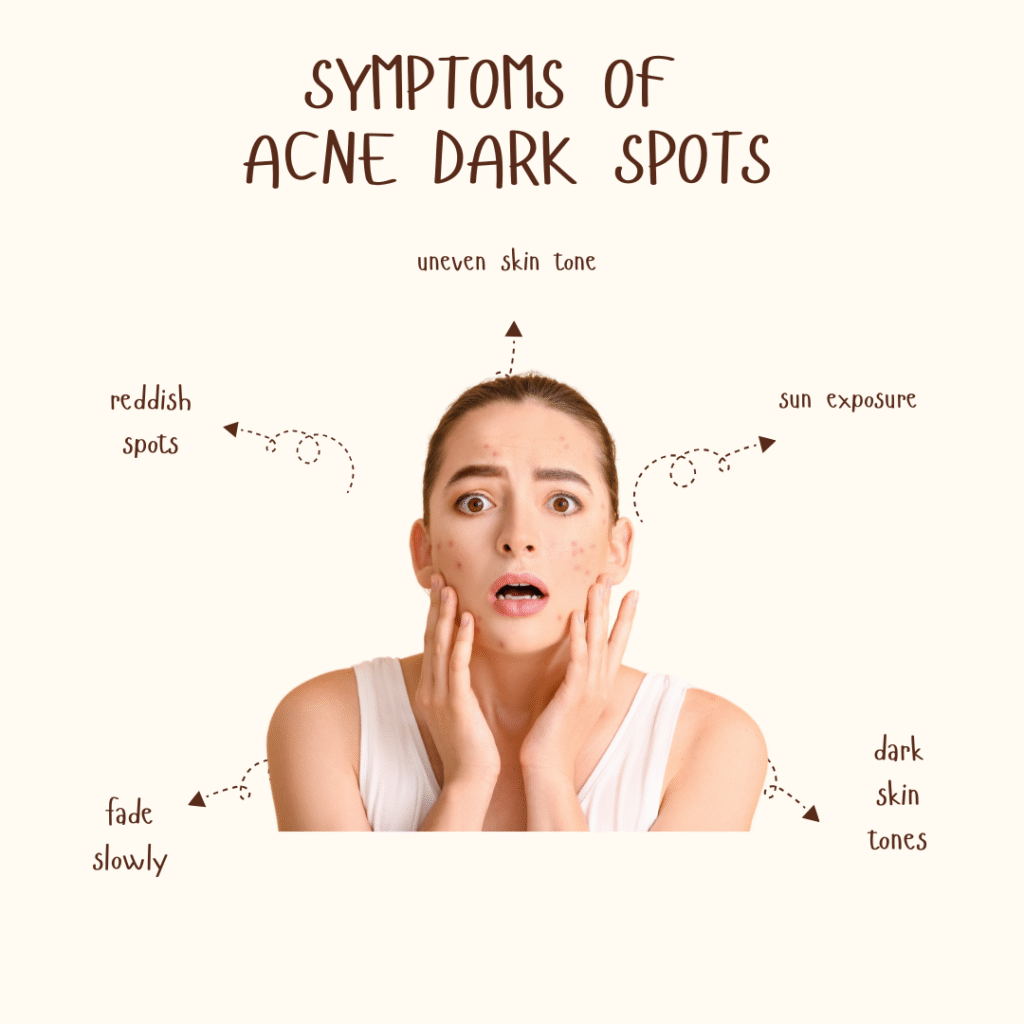
Acne dark spots, also called post-inflammatory hyperpigmentation (PIH), appear after pimples heal. Unlike scars, they don’t change the skin’s texture but leave marks or patches of discoloration. Common symptoms include:
Flat brown, black, or reddish spots where pimples once appeared.
Spots that darken with sun exposure if not protected with sunscreen.
Even skin surface but uneven skin tone (marks are visible without raised or pitted scars).
Spots that fade slowly over weeks to months without treatment.
More noticeable in medium to dark skin tones, though they can affect all skin types.
Causes of Acne Dark Spots
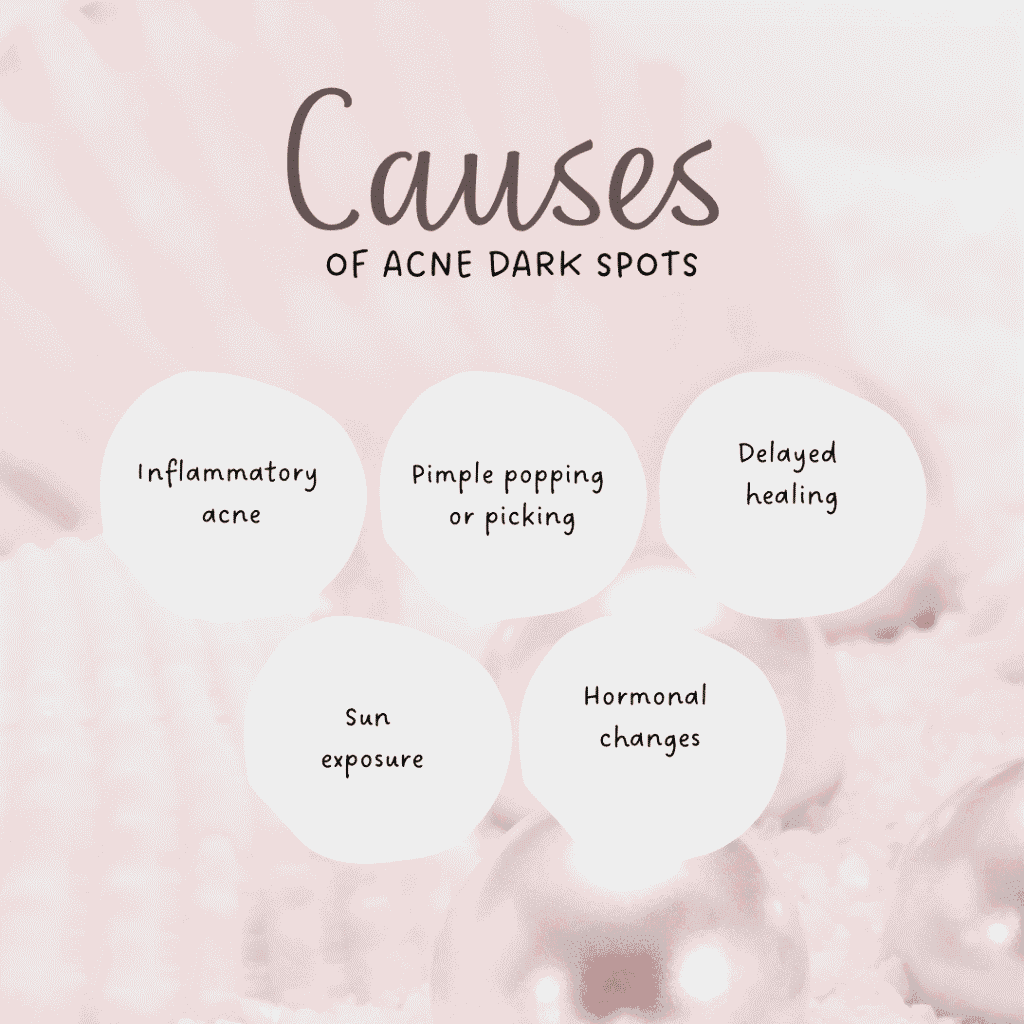
Several factors contribute to the development of acne dark spots:
- Inflammation: Acne lesions, such as pimples, blackheads, or cysts, cause inflammation in the skin. This inflammatory response triggers the release of certain chemicals and signals the production of melanin, which can lead to darkening of the skin.
- Skin picking or popping pimples: Engaging in behaviors like picking or popping acne lesions can further damage the skin and prolong the healing process. It increases inflammation and the likelihood of developing dark spots.
- Sun exposure: Ultraviolet (UV) radiation from the sun can worsen the appearance of dark spots. Sun exposure can stimulate melanin production and darken the existing hyperpigmentation, making it more noticeable.
- Hormonal factors: Hormonal imbalances, such as those occurring during puberty, menstruation, pregnancy, or hormonal disorders, can contribute to the development of acne. Hormones can influence oil production in the skin and the skin’s response to inflammation, potentially leading to the formation of dark spots.
Types of Acne Dark Spots
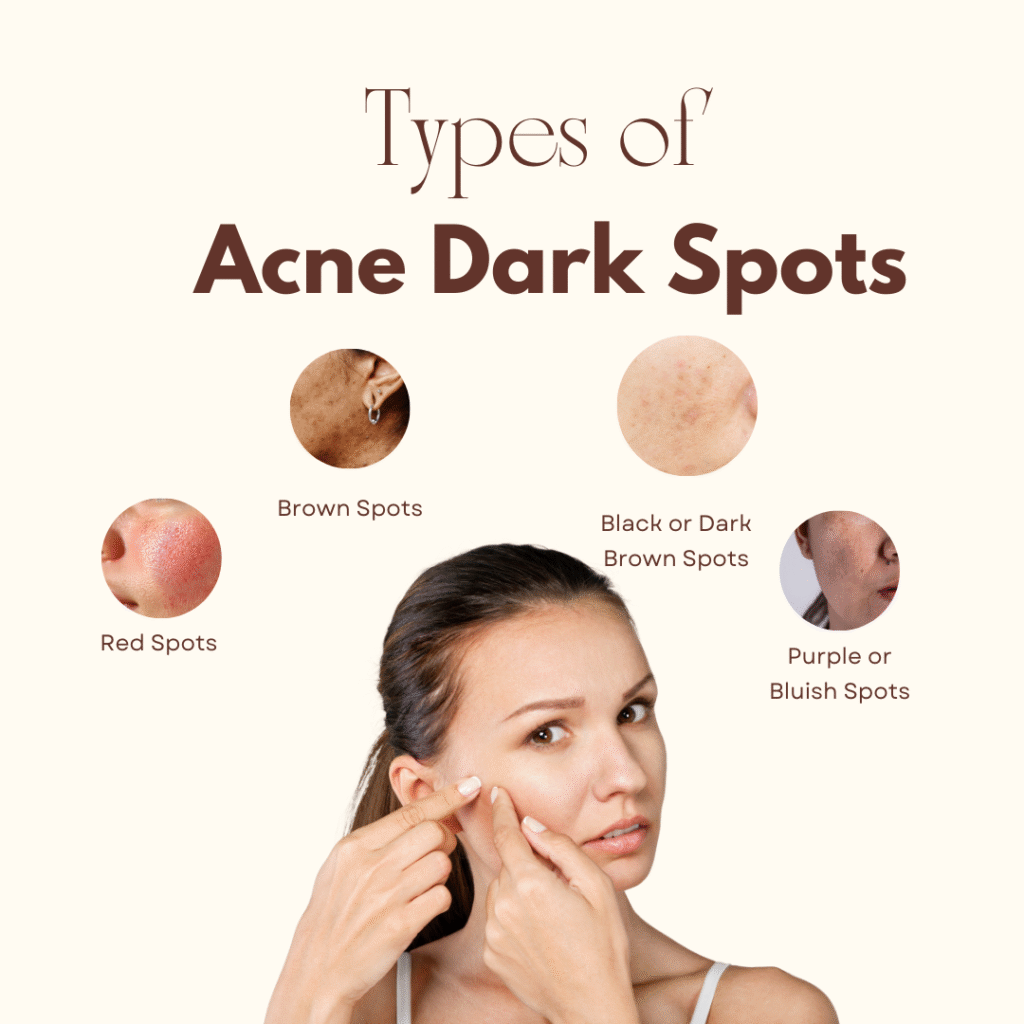
Acne dark spots, or post-inflammatory hyperpigmentation (PIH), can appear in different colors and shades depending on skin tone, depth of pigmentation, and healing response. The main types include:
Brown Spots
Common in medium to dark skin tones. Caused by excess melanin production after acne heals.
Black or Dark Brown Spots
Indicate deeper pigmentation in the skin. Often take longer to fade without treatment.
Red Spots (Post-Inflammatory Erythema – PIE)
Appear in lighter skin tones. Caused by damaged blood vessels under the skin after inflammation.
Purple or Bluish Spots
Seen in severe acne or in people with darker complexions. Result from both pigmentation and vascular changes.
Acne Dark Spots Treatment Results Before & After
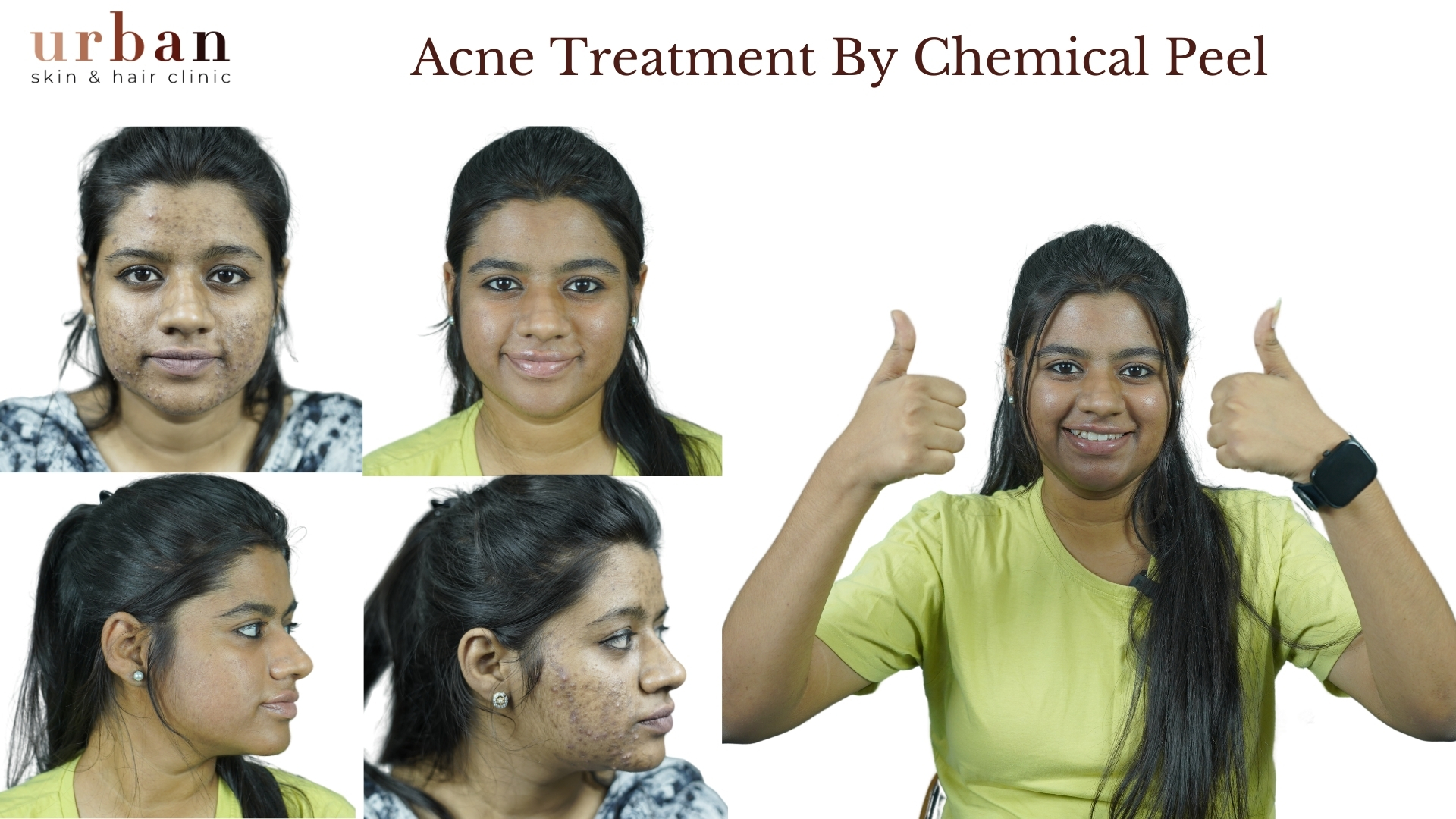
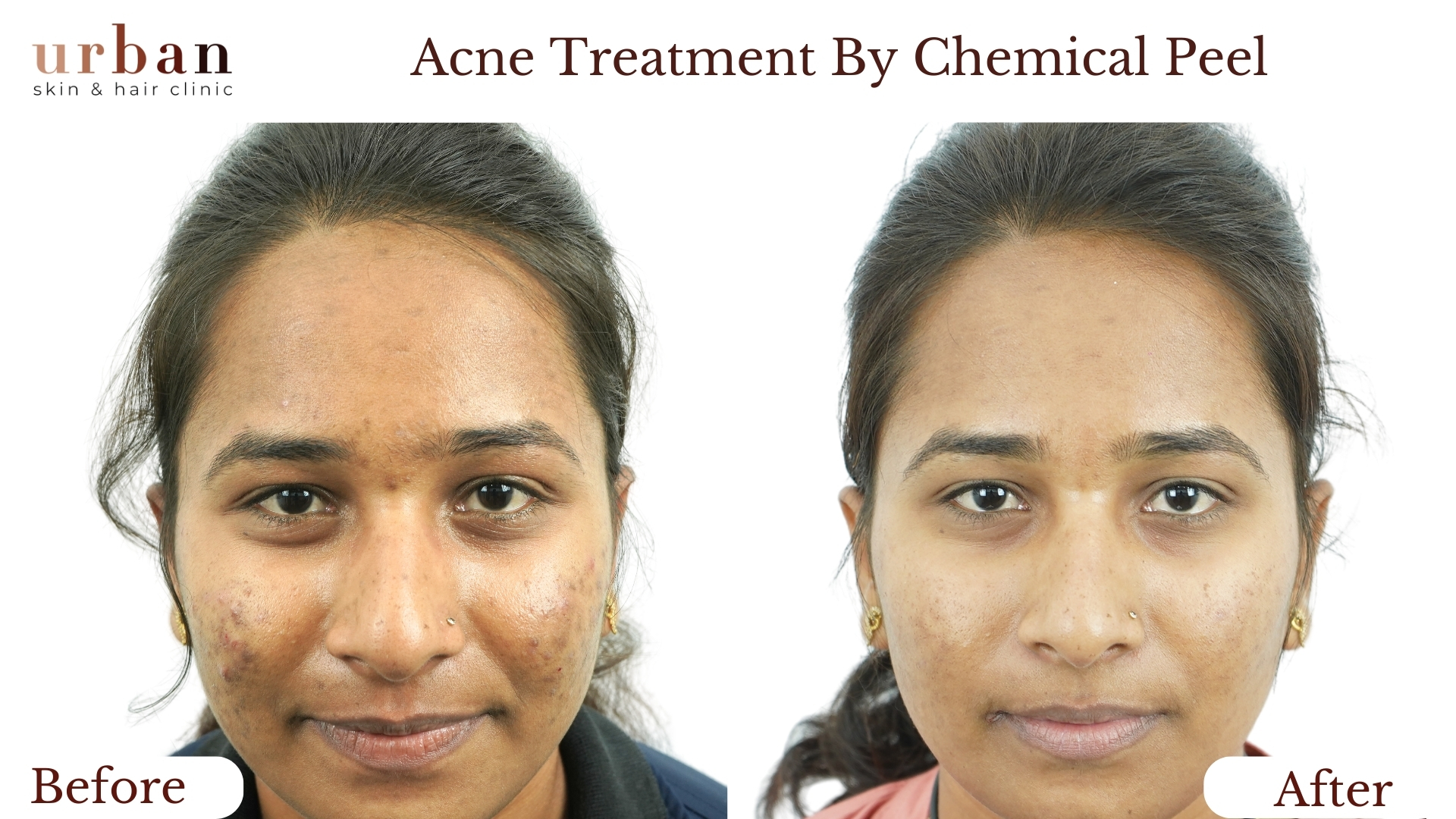
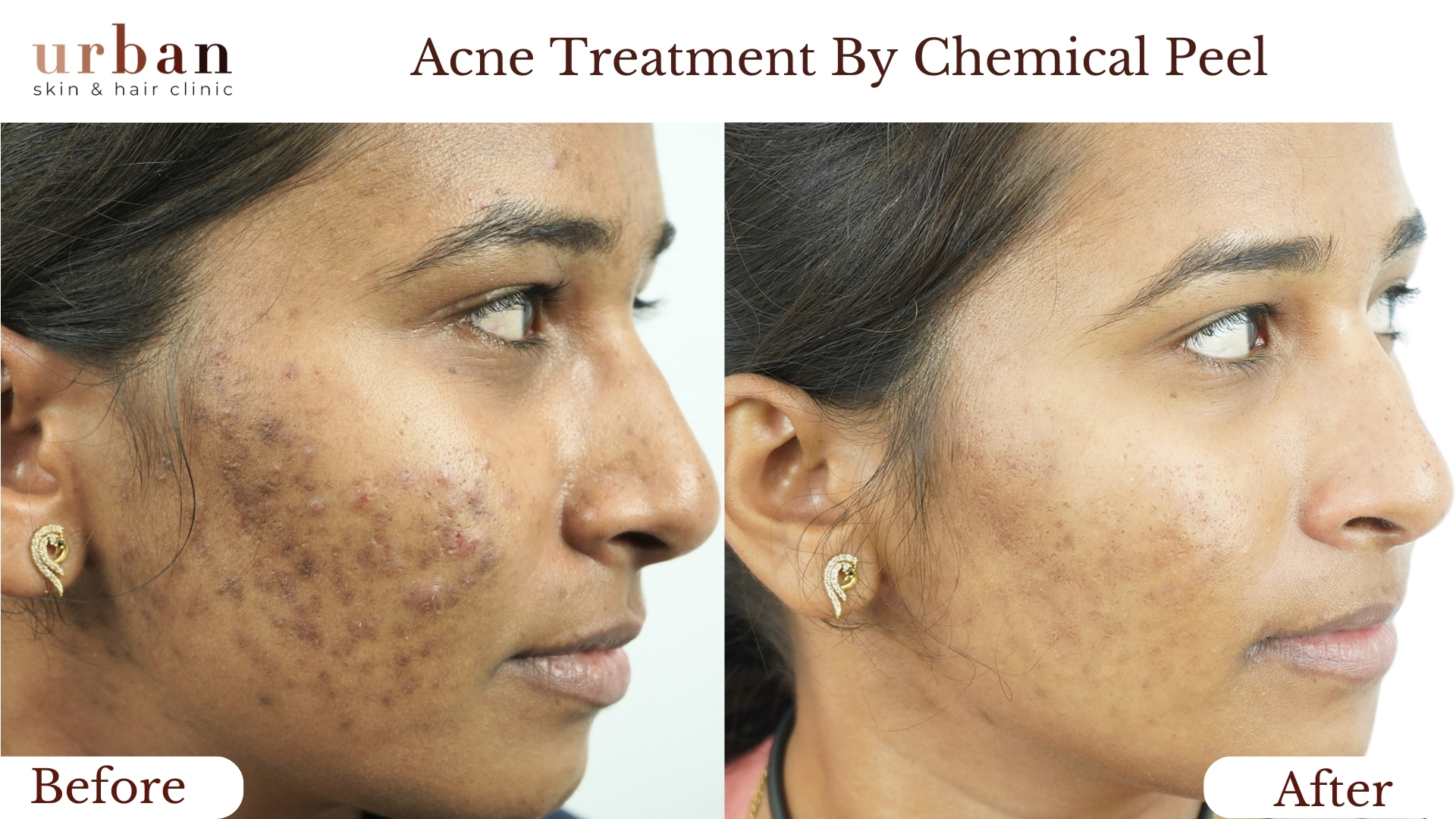
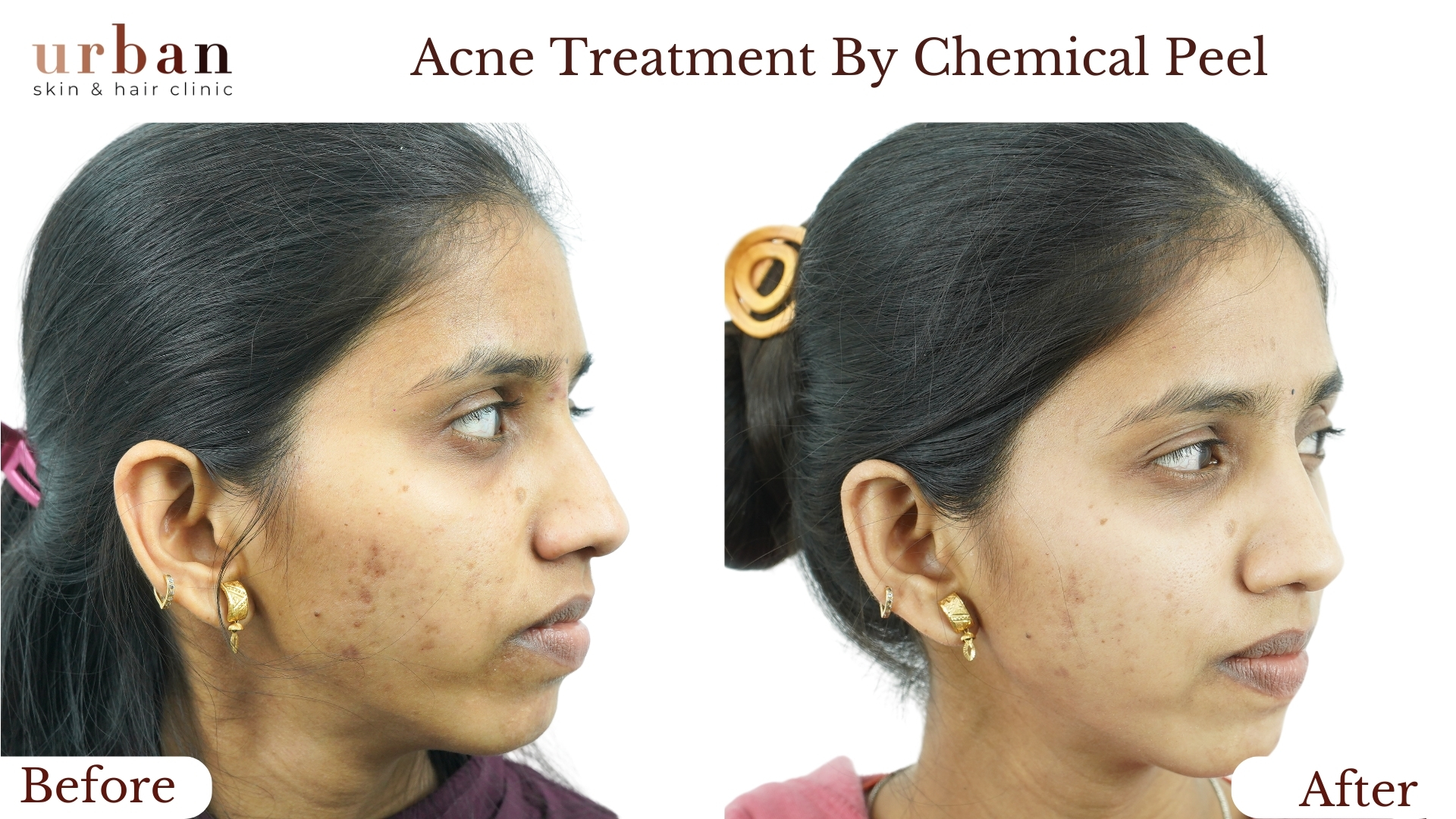
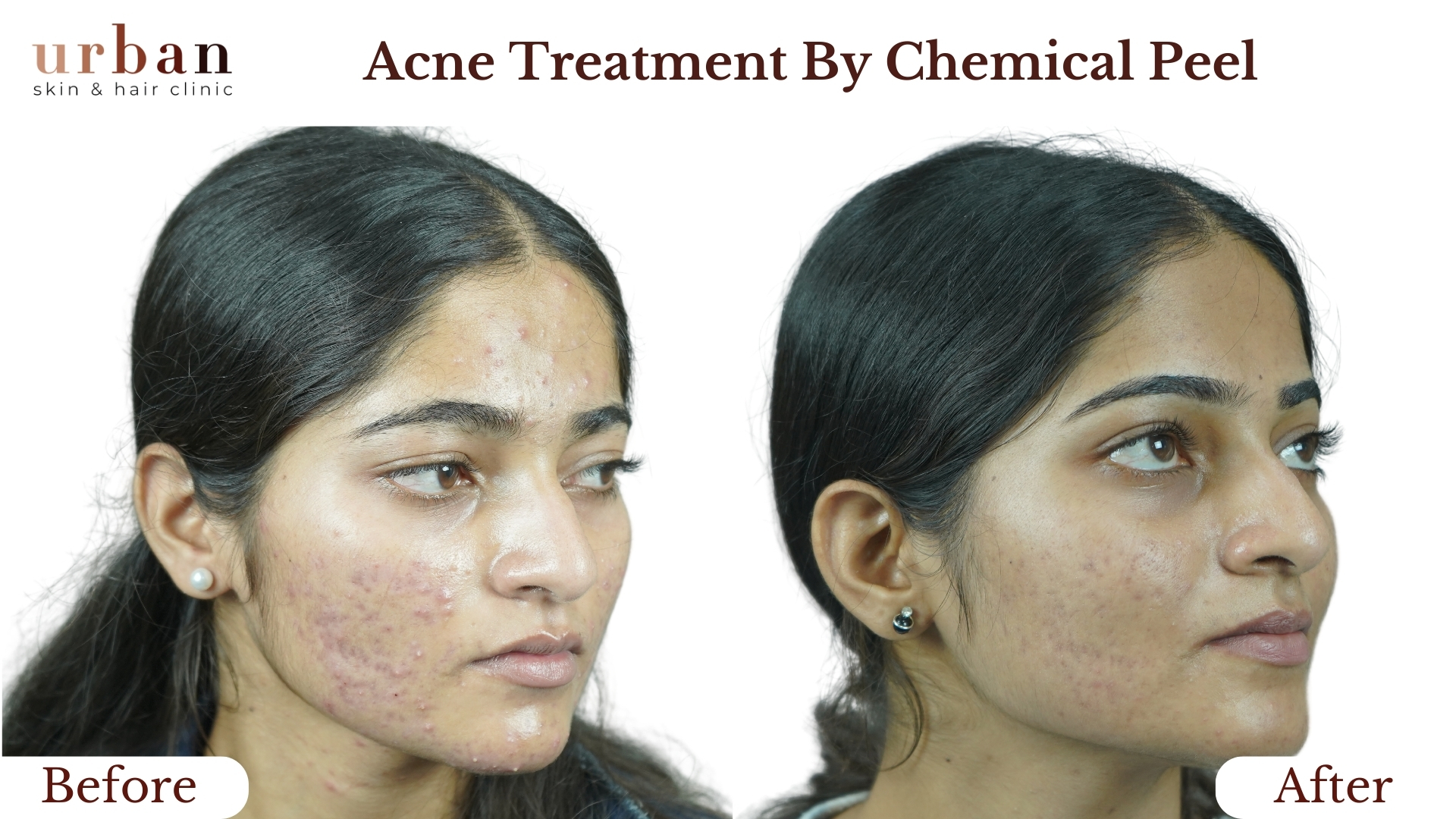
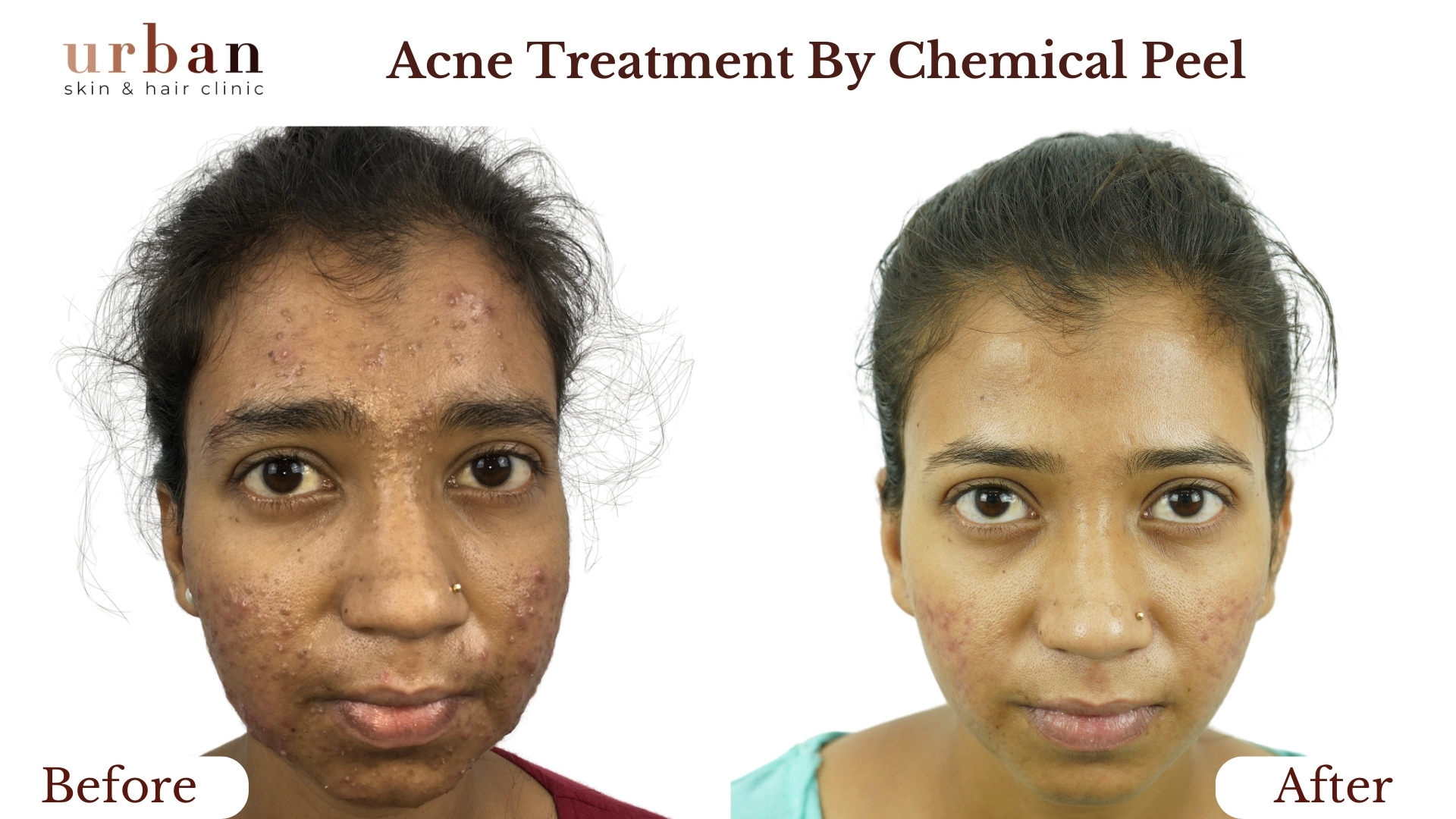
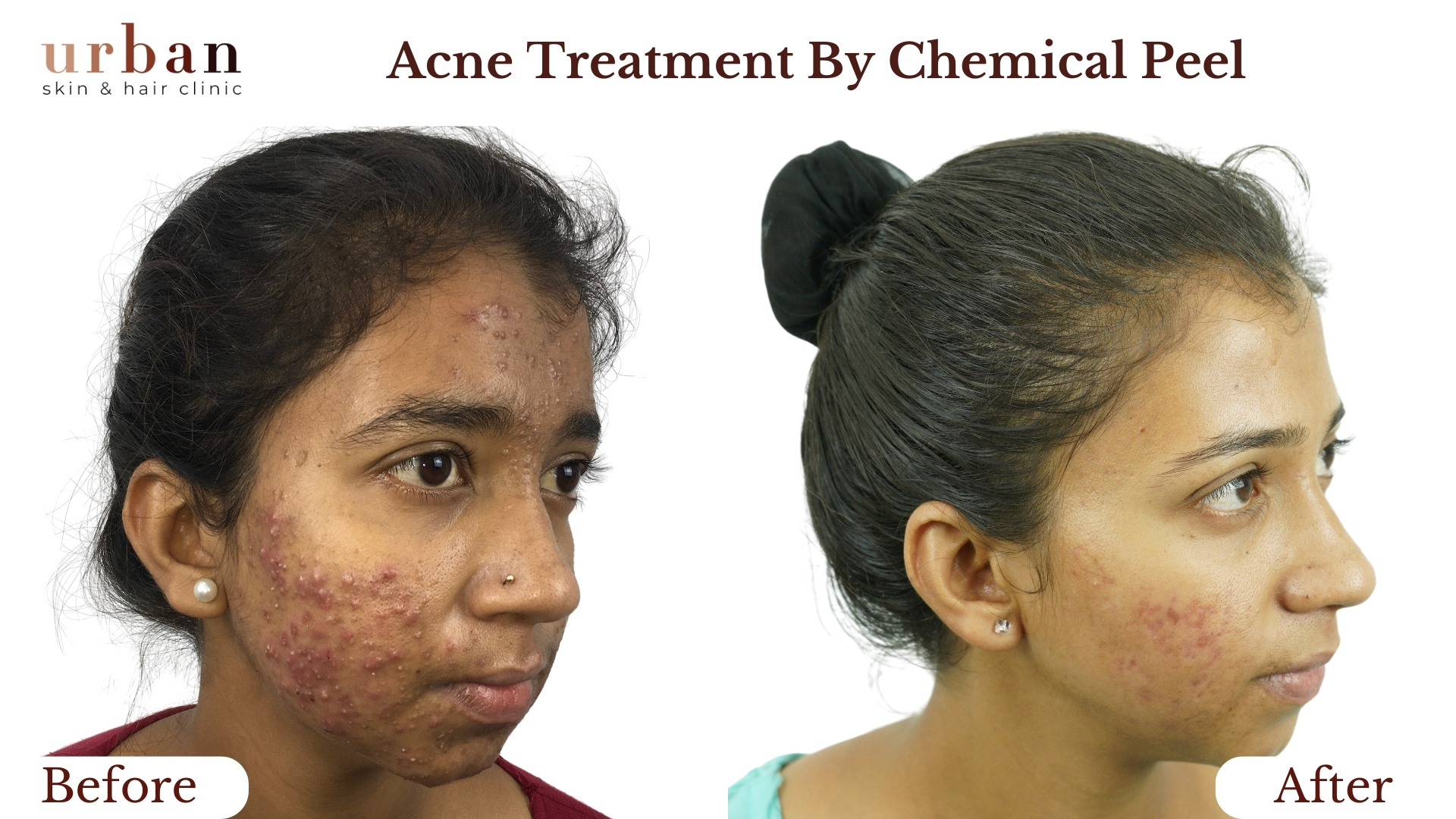
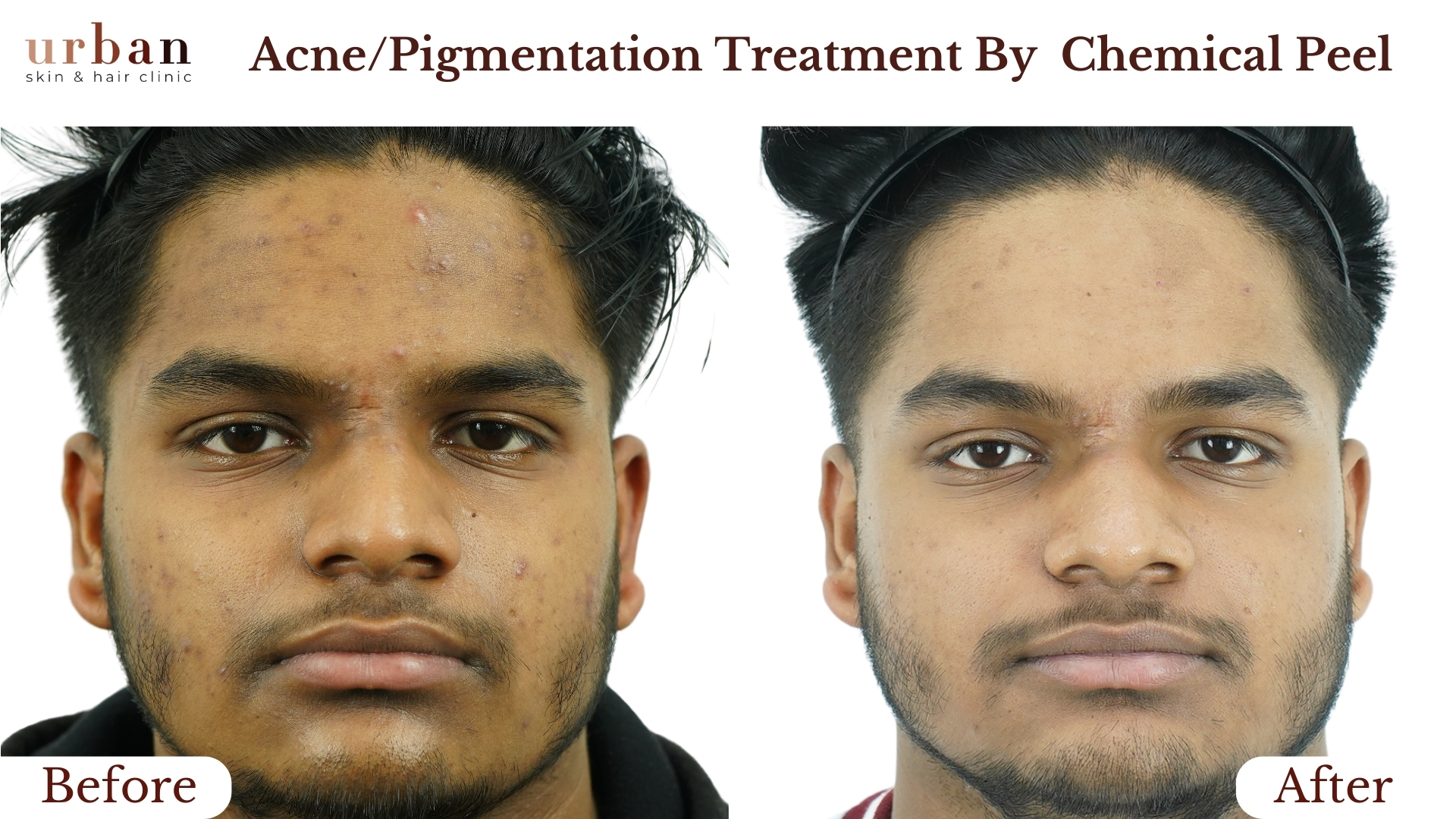
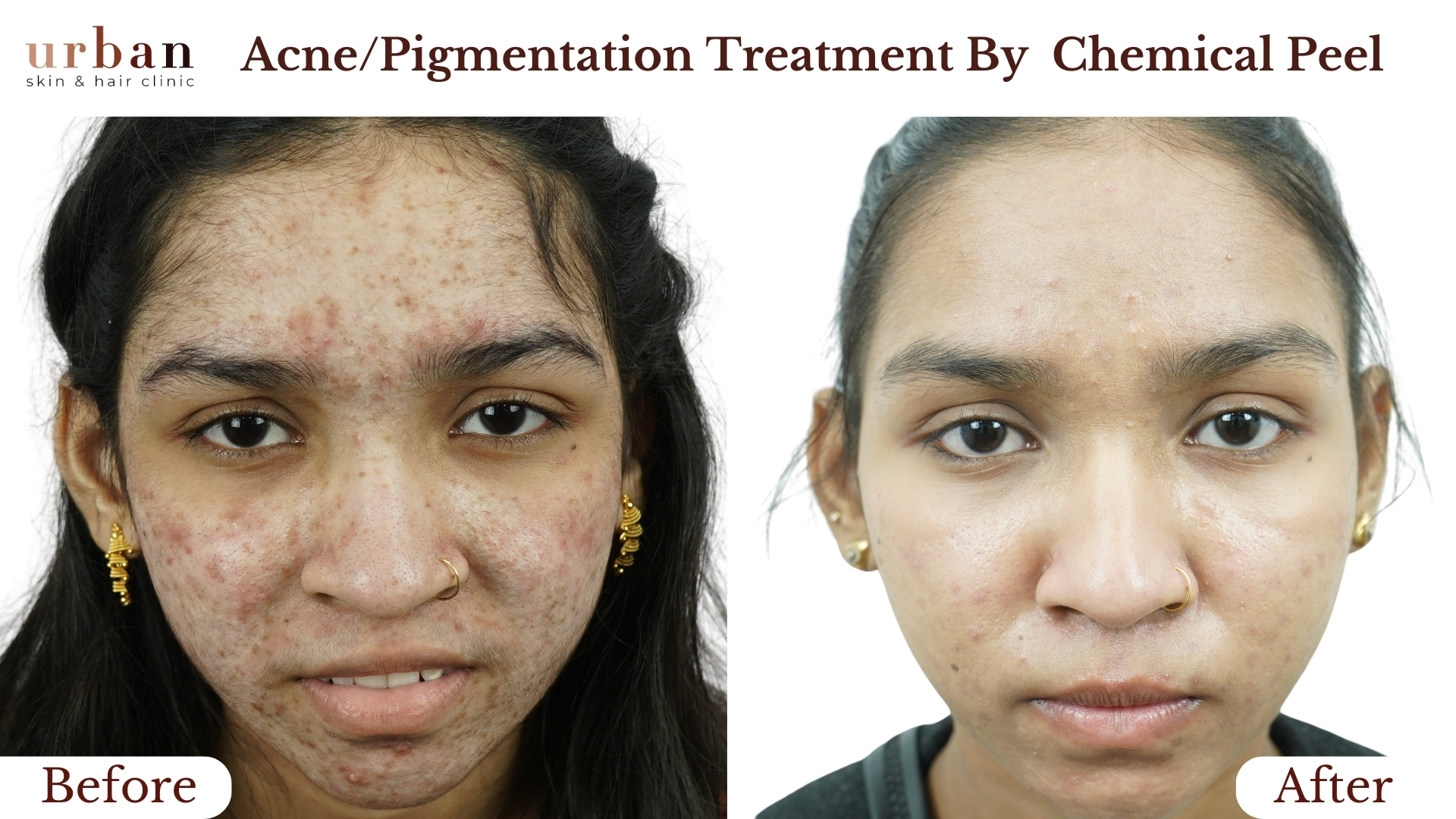

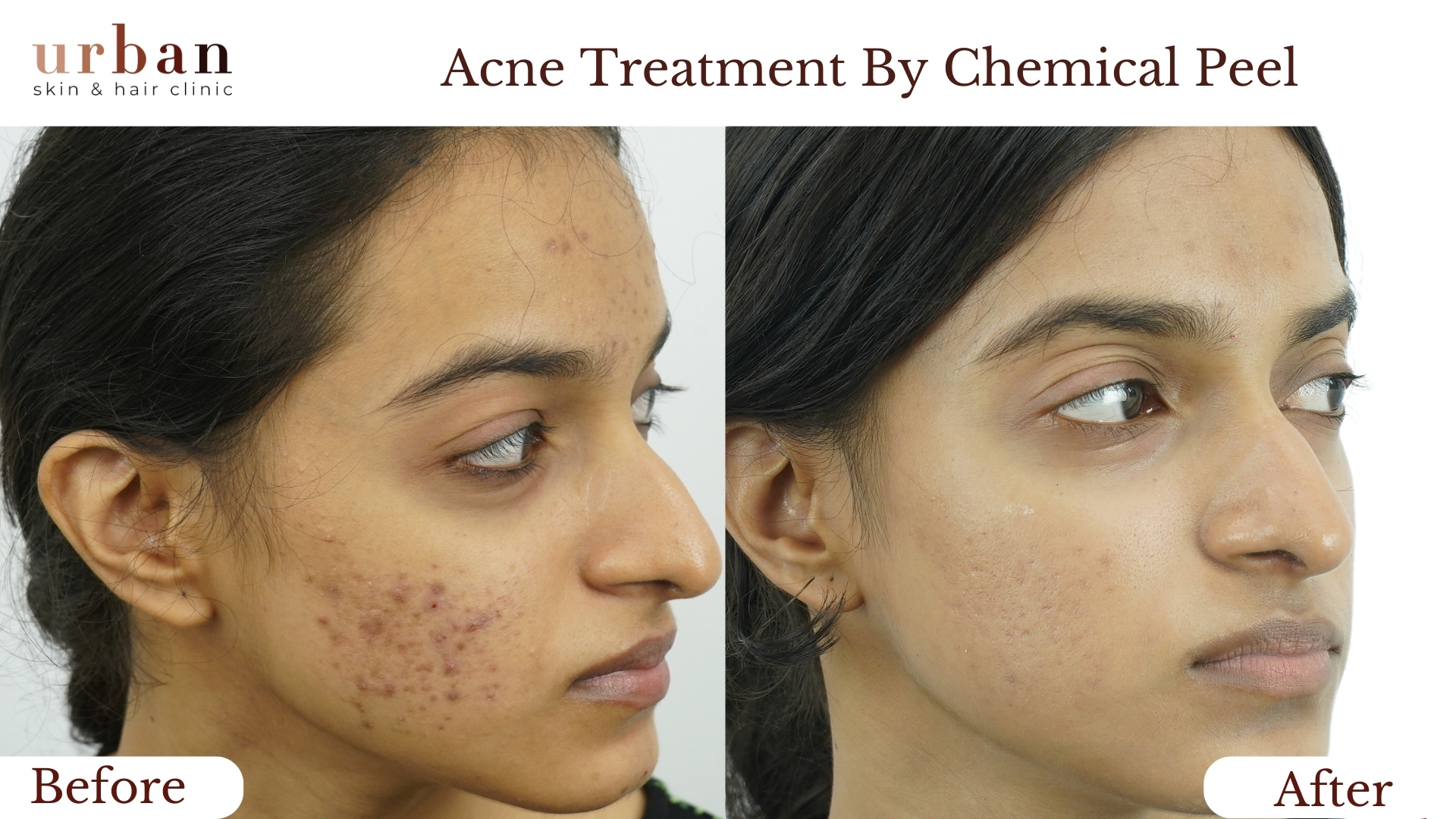
Benefits of Acne Dark Spots Treatment
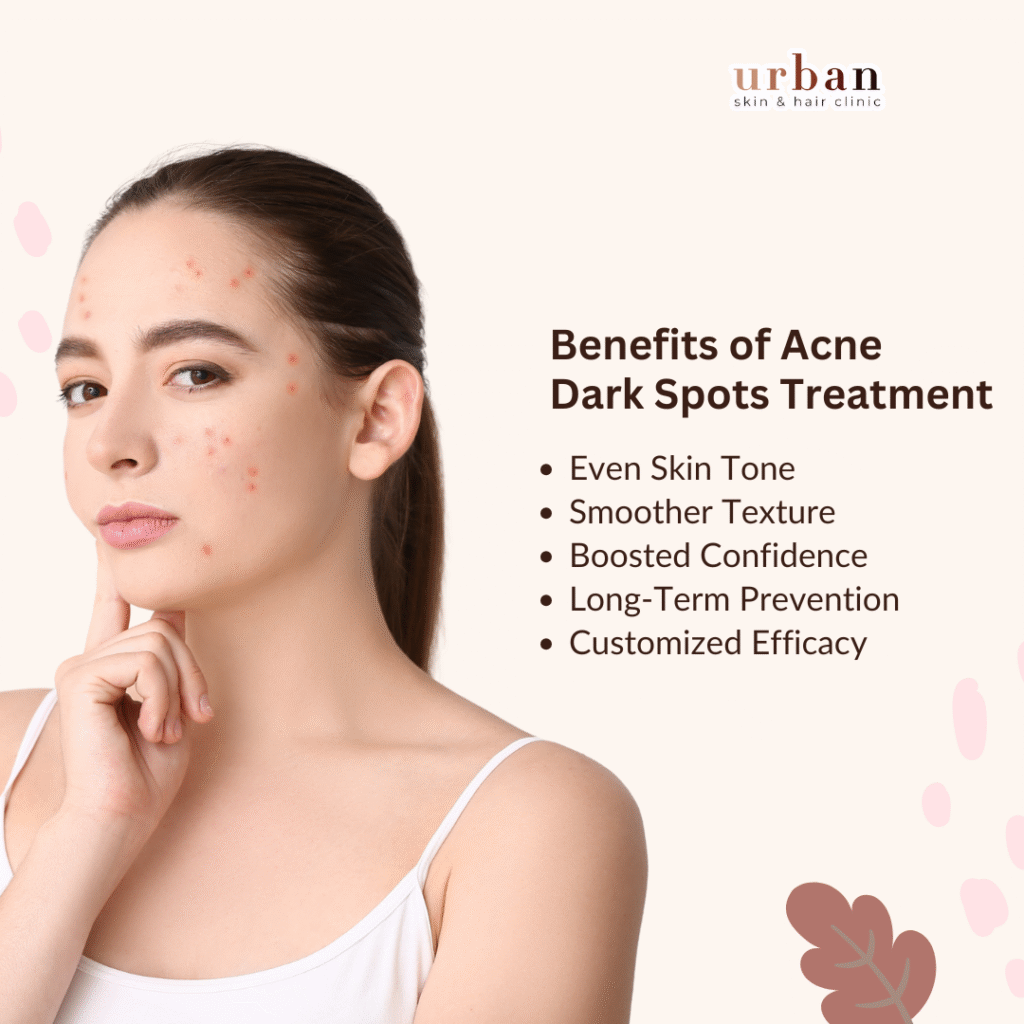
Experience the transformative benefits of expert acne dark spots (PIH) treatment at Urban Skin Hair Clinic (USHC):
Even Skin Tone: Fade brown, red, or purple spots for uniform complexion and reduced discoloration.
Smoother Texture: Lighten pigmentation while improving overall skin surface and radiance.
Boosted Confidence: Restore clear, blemish-free skin to enhance self-esteem and daily comfort.
Long-Term Prevention: Inhibit melanin overproduction to minimize recurrence with sustained results.
Customized Efficacy: Tailored topicals, lasers, or peels deliver optimal fading for your skin type.
Popular Treatments for Acne Dark Spots
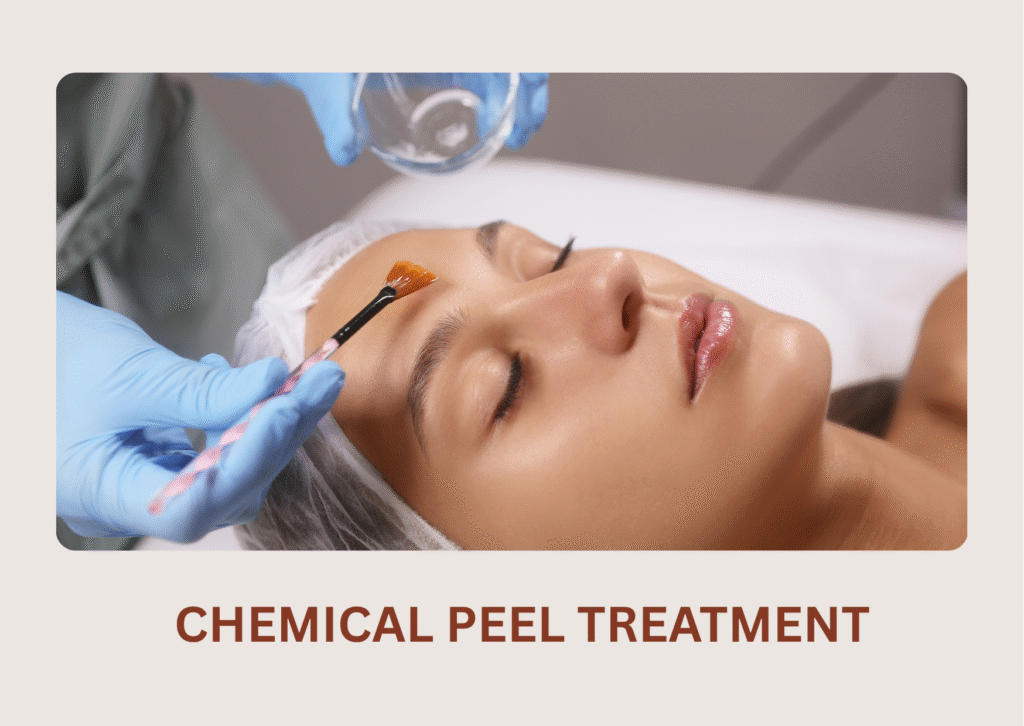
Clears active acne and brightens the skin by removing clogged, damaged surface layers.
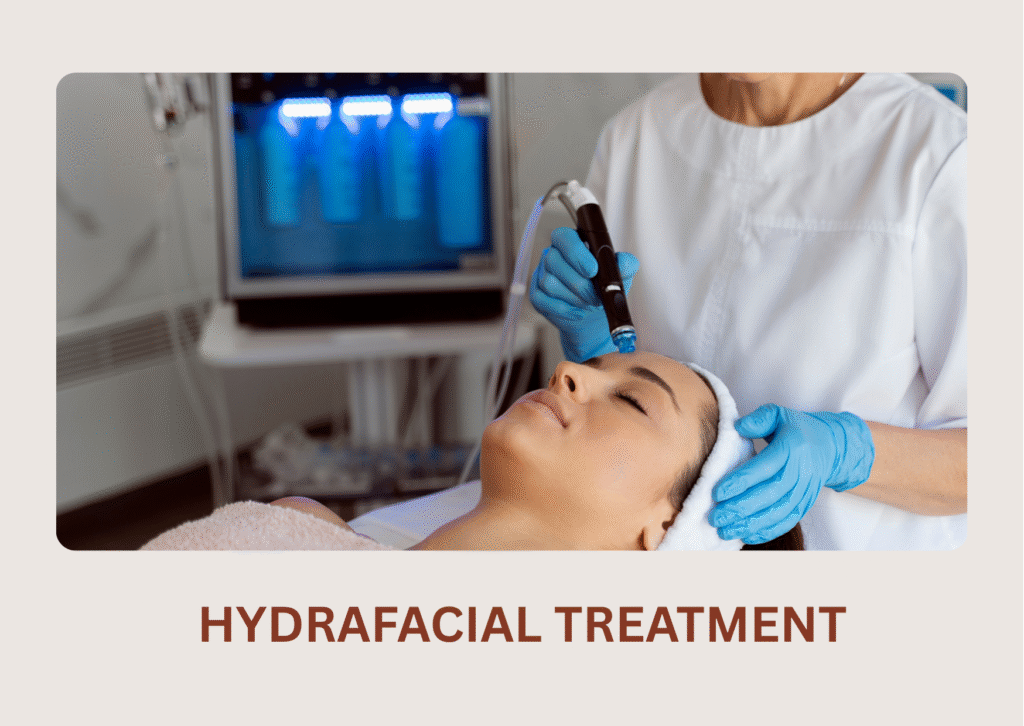
Deeply cleanses pores and reduces acne-causing oil and bacteria for clearer skin.
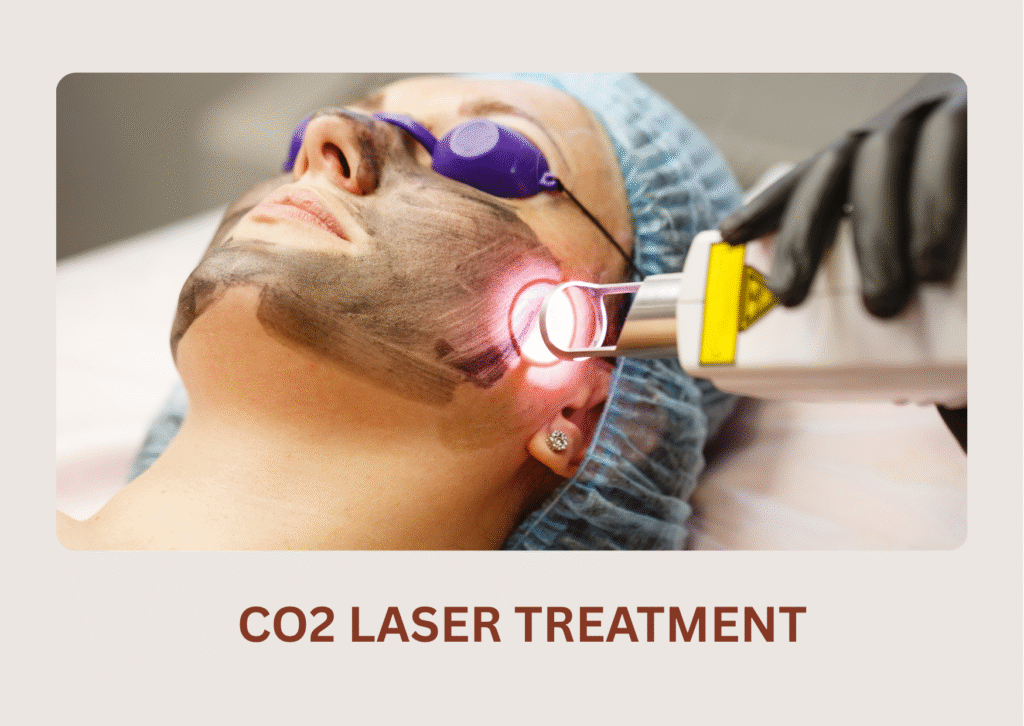
Helps reduce deep acne scars by resurfacing the skin for a smoother texture.
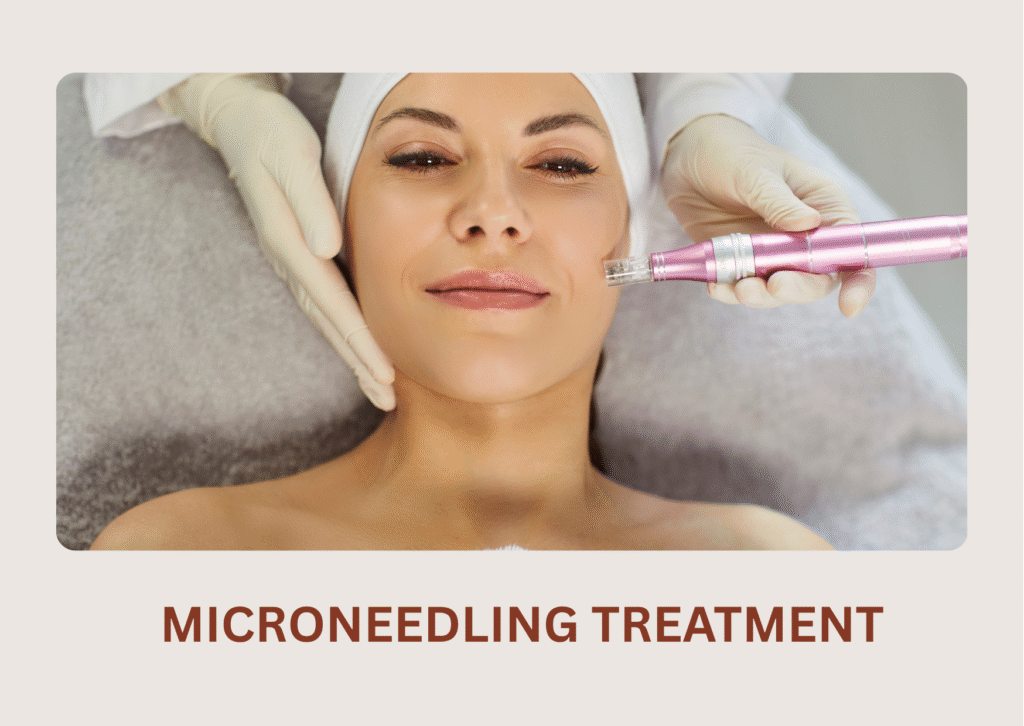
Stimulates collagen to reduce acne scars and improve overall skin texture.
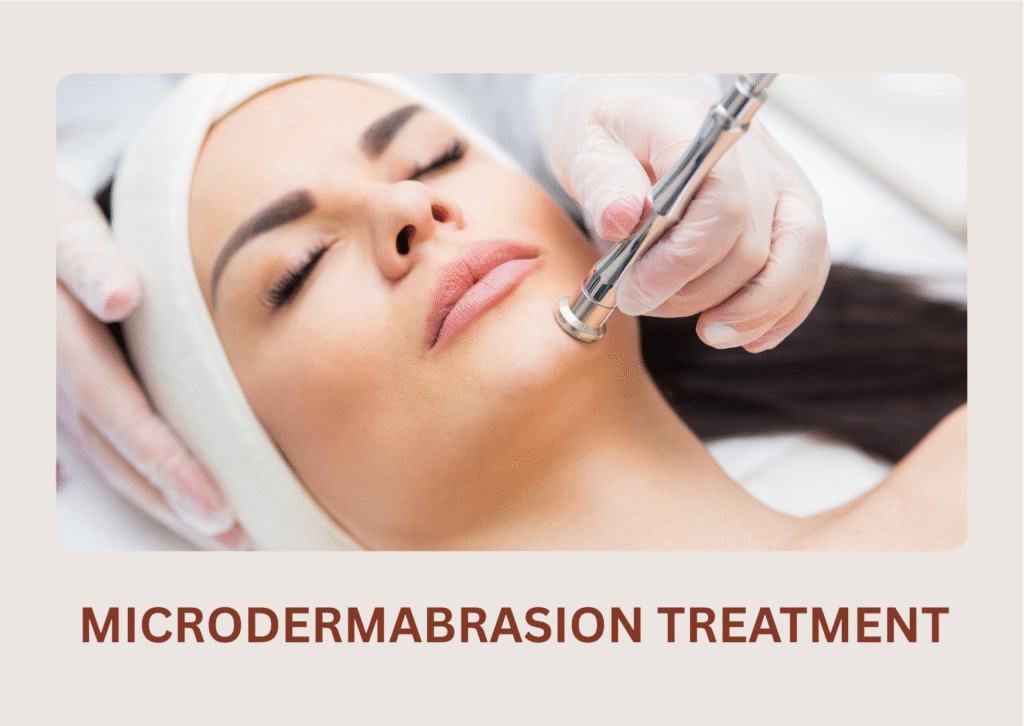
Gently exfoliates dead skin cells to prevent clogged pores and minimize mild acne.
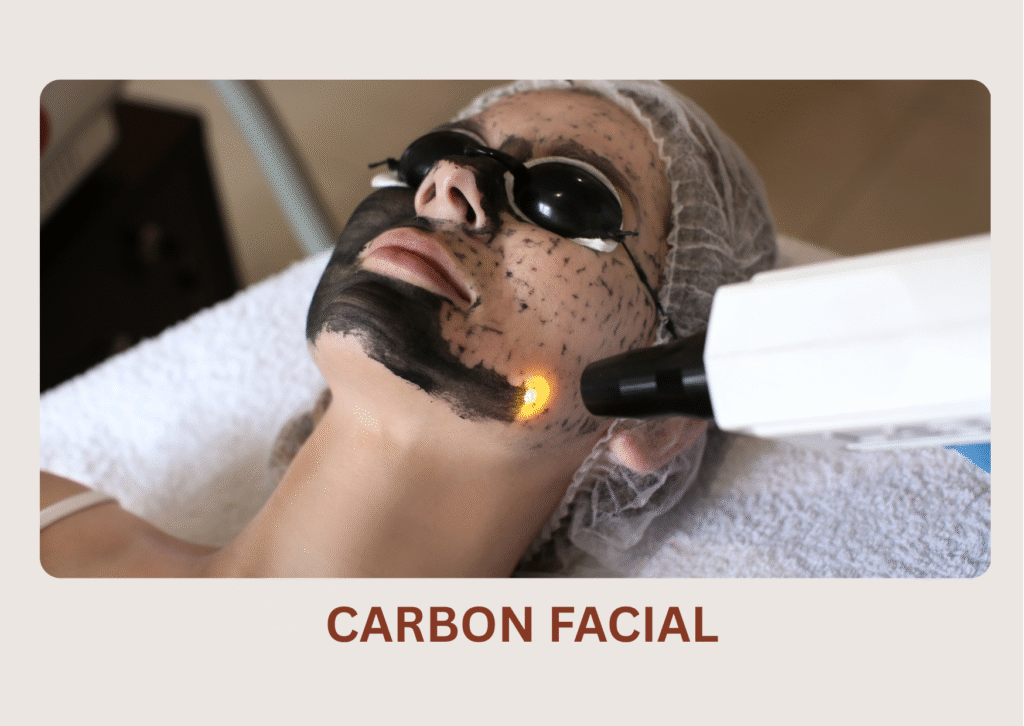
Controls excess oil, shrinks pores, and targets acne-causing impurities for clearer skin.
How To Prevent Acne Dark Spots?
Follow these dermatologist-recommended strategies to prevent post-inflammatory hyperpigmentation (PIH) from acne by controlling inflammation and protecting healing skin:
Treat acne early and aggressively with topicals like retinoids, benzoyl peroxide, or salicylic acid to minimize lesion duration and depth.
Apply broad-spectrum sunscreen (SPF 30+ with iron oxides) daily, reapplying every 2 hours outdoors, as UV exposure darkens spots significantly.
Avoid picking, squeezing, or scrubbing pimples to prevent trauma that triggers melanin overproduction.
Use gentle, non-comedogenic skincare; incorporate brighteners like niacinamide or vitamin C to inhibit pigment formation proactively.
Maintain a consistent routine with proper nutrition, hydration, and stress management to support skin barrier health.
Self-care helps for mild cases, but severe or persistent dark spots require professional evaluation at Urban Skin Hair Clinic (USHC) to halt progression.
Consult a Specialist Today
Many of the techniques for preventing pimples may also be used to cure them. Eating well, avoiding stress, and not popping pimples may help manage zits and reduce their length. If your acne continues despite your best efforts, you may need prescription acne treatment. Consult your dermatologist if you’re uncertain about treatment.
FAQ's
Yes, mild acne dark spots (post-inflammatory hyperpigmentation) can fade naturally over a few weeks to months. However, deeper spots may need treatments like creams, chemical peels, or laser therapy.
On average, dark spots may take 3–6 months to lighten. With proper skincare and dermatological treatments, the fading process can be much faster.
Topical creams with Vitamin C, Retinoids, or Niacinamide are effective for mild spots. For stubborn marks, chemical peels, microneedling, or laser treatments work best.
Natural remedies like aloe vera, turmeric, or green tea extract may help lighten mild pigmentation. However, they usually work slowly and are less effective for deep spots compared to clinical treatments.
Avoid popping pimples, use gentle skincare, eat a balanced diet, and always apply sunscreen daily to stop spots from getting darker. Early acne treatment also reduces the risk of marks.
Pathophysiology Of Acne Dark Spots
The pathophysiology of acne dark spots, also known as post-inflammatory hyperpigmentation (PIH), involves several key processes:
- Inflammation: Acne is characterized by inflammation within the skin, caused by the immune system’s response to bacteria, sebum (skin oil), and dead skin cells clogging the hair follicles. Inflammatory mediators, such as cytokines and chemokines, are released, leading to the activation of immune cells and increased blood flow to the affected area.
- Melanogenesis: In response to inflammation and other stimuli, melanocytes, the cells responsible for producing melanin (skin pigment), become activated. Melanin synthesis is regulated by an enzyme called tyrosinase, which converts the amino acid tyrosine into melanin precursors. Increased tyrosinase activity and melanin production occur in the epidermis (top layer of the skin) during the healing process.
- Hyperpigmentation: Excessive melanin production can result in the darkening of the skin, leading to hyperpigmentation. In the case of acne dark spots, melanin is produced in response to the inflammatory process triggered by acne lesions. The excess melanin is deposited in the epidermis, leading to the formation of dark spots.
- Increased Melanosome Transfer: Melanosomes are specialized cellular structures within melanocytes that contain melanin. During inflammation, there is an increased transfer of melanin-filled melanosomes from melanocytes to surrounding keratinocytes (skin cells). This transfer contributes to the distribution of melanin and the appearance of hyperpigmentation in the affected areas.
- Delayed Clearance: In some cases, the clearance of melanin and resolution of hyperpigmentation can be delayed. Factors such as prolonged inflammation, repeated acne breakouts, skin picking or trauma, and sun exposure can hinder the normal fading process of acne dark spots. This can prolong the visibility of the hyperpigmentation.

Treatment for Acne Dark Spots
This dark spots treatment involves a combination of protective measures, lifestyle modifications, and targeted treatments. Here’s a summary of strategies for preventing and managing dark spots:
Protect your skin from harmful UV radiation by wearing sunscreen with a high SPF (at least 30) every day, even on cloudy days.
Maintain a gentle skincare routine to avoid irritating the skin. Cleanse your face with mild, non-abrasive cleansers and avoid harsh scrubbing.
If dark spots are caused by specific underlying conditions, such as hormonal imbalances, liver problems, or medication side effects, it’s important to address and manage those conditions under the guidance of a healthcare professional.
Minimize picking, squeezing, or popping acne lesions, as this can worsen inflammation and increase the risk of post-inflammatory hyperpigmentation.
epending on the severity and type of dark spots, dermatologists may recommend topical treatments containing ingredients like hydroquinone, retinoids, azelaic acid, kojic acid, or vitamin C.
For more persistent or severe dark spots, dermatological procedures such as chemical peels, microdermabrasion, laser therapy, or intense pulsed light (IPL) treatments may be recommended. These procedures target the pigmented areas, helping to fade dark spots and promote skin rejuvenation.
While professional treatments and guidance from dermatologists are valuable for managing dark spots, there are also self-care practices you can incorporate into your routine to help improve your appearance.
Pre-care and post-care guidelines are important to ensure the effectiveness of acne dark spot treatments and to promote optimal healing.