


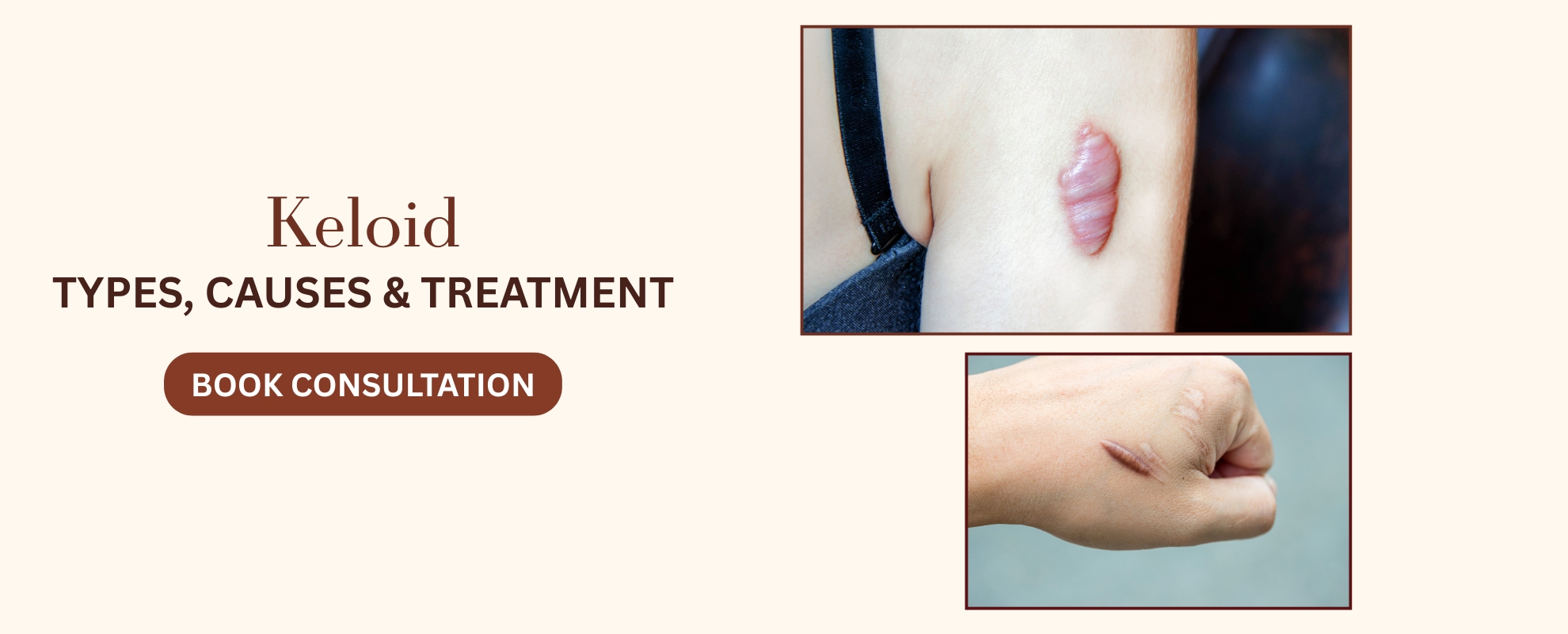
Clear, Healthy & Confident Skin with Keloid Treatment
A keloid is a type of raised scar that forms on the skin at the site of a healed wound or injury. Unlike regular scars that remain within the boundaries of the original wound, keloids grow beyond the injured area, extending into the surrounding healthy skin.
They are an overgrowth of scar tissue that develops during the healing process.
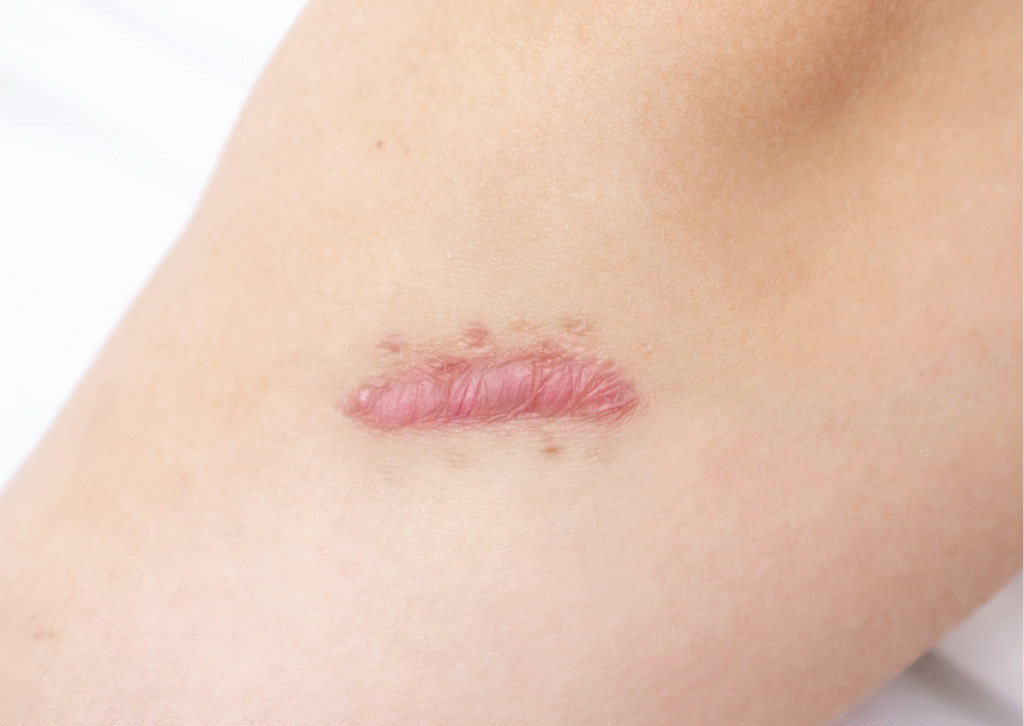
Symptoms and Causes
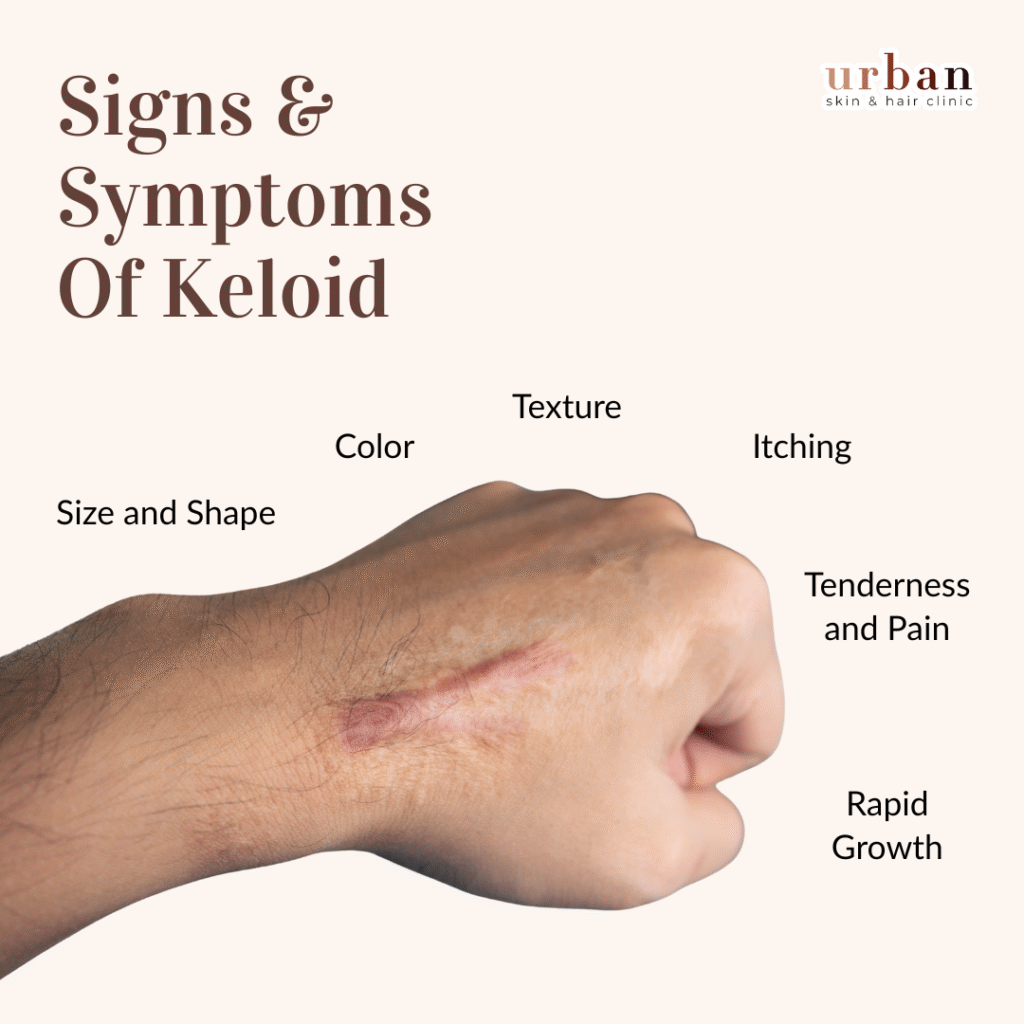
signs & Symptoms Of Keloid
The primary symptom of a keloid is the appearance of a raised, thickened, and often smooth or shiny scar that forms at the site of a healed skin injury.
Size and Shape: Keloids can vary in size, ranging from small to large. They may have a rounded, dome-shaped appearance, or they can be irregularly shaped.
Color: Keloids can be different colors, depending on a person’s skin tone and the stage of development. They may appear pink, red, purple, brown, or flesh-colored.
Texture: The texture of keloids is often firm and rubbery to the touch. They are usually thicker and more elevated than regular scars.
Itching (Pruritus): Many individuals with keloids experience itching or pruritus at the site of the scar. The itching can range from mild to intense and can be bothersome for some people.
Tenderness and Pain: Keloids may be sensitive to touch, causing tenderness or discomfort. However, they are typically not painful in the absence of external pressure or irritation.
Rapid Growth: Keloids can grow relatively quickly in the initial stages of development, but their growth usually slows down over time.

What are the Causes of Keloid?
The exact cause of keloids is not fully understood, but they are believed to result from an abnormal response to the healing process in susceptible individuals. Several factors contribute to the development of keloids:
- Genetics: A genetic predisposition plays a significant role in keloid formation. If you have a family history of keloids.
- Skin type: People with darker skin tones, particularly those of African, Asian.
- Age and gender: Keloids can occur at any age, but they are more common during adolescence and early adulthood.
- Location and size of the wound: Keloids are more likely to develop on areas with limited skin movement, such as the chest, and cheeks.
- Trauma or injury: Keloids typically form in response to skin injuries, such as surgery, burns, piercings, or acne.
- Inflammatory conditions: Pre-existing skin conditions that cause inflammation, such as acne, can increase the likelihood of keloid development.
- Hormonal factors: Hormonal imbalances, such as during pregnancy, can potentially influence the development of keloids.
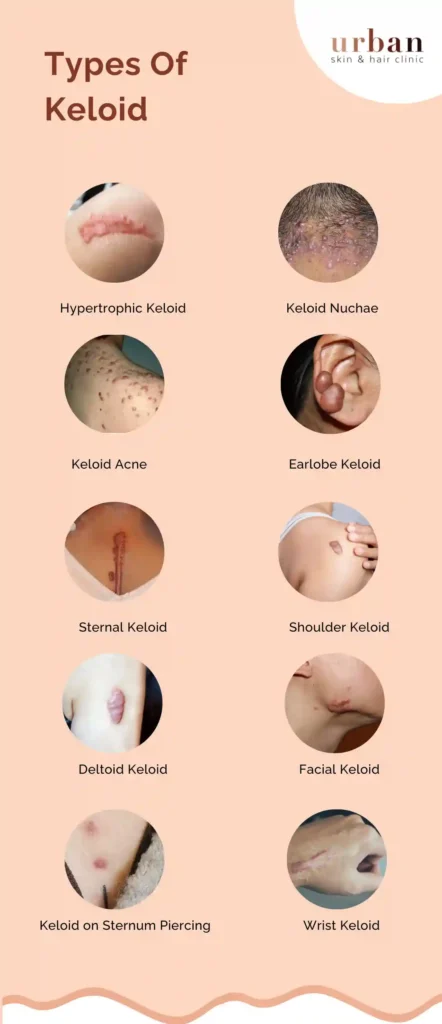
What are the Types of Keloid
- Hypertrophic Keloid: Hypertrophic keloids are the most common type and are characterized by raised, thickened, and red or pink-colored scars. They remain confined to the boundaries of the original wound and do not extend beyond it.
- Keloid Nuchae: Also known as “nuchal keloid,” this type specifically refers to keloids that form on the back of the neck, often as a result of hairline injuries, such as from haircuts or acne.
- Keloid Acne: These keloids occur at the site of severe acne lesions or as a response to acne scars, particularly in individuals prone to keloid formation.
- Earlobe Keloid: Earlobe keloids are relatively common, and they develop as a response to ear piercings or other ear-related injuries. They can lead to significant cosmetic and functional issues.
- Sternal Keloid: These keloids form on the chest bone (sternum) and may be caused by surgical incisions, burns, or other injuries to the chest area.
- Shoulder Keloid: Shoulder keloids are characterized by their location on the shoulders and can be associated with trauma, burns, or surgical procedures in this area.
- Deltoid Keloid: Deltoid keloids occur in the deltoid muscle region of the upper arm and can develop after injuries or surgeries in that area.
- Facial Keloid: Facial keloids can develop on various parts of the face, such as the cheeks, chin, or forehead, usually as a result of acne scars, burns, or trauma.
- Keloid on Sternum Piercing: These keloids occur around or on the sternum piercing, which is a type of body piercing done in the middle of the chest.
- Wrist Keloid: Keloids that form on the wrist often result from injuries, cuts, or surgical procedures in that area.
What are the Treatment Of Keloid
Treatment for keloids can be challenging, and not all options work effectively for everyone.
- Corticosteroid Injections: Corticosteroid medications, such as triamcinolone, can be injected directly into the keloid to help reduce inflammation and shrink the scar. Multiple injections over time may be required for optimal results.
- Pressure Dressings or Silicone Gel Pads: Applying pressure to the keloid or using silicone gel pads can help flatten the scar and reduce its size. These methods are often used in combination with other treatments.
- Cryotherapy: Freezing the keloid with liquid nitrogen can help flatten and reduce the size of the scar.
- Laser Therapy: Laser treatment can be used to reduce redness and flatten the keloid. Different types of lasers, such as pulse dye lasers or fractional lasers, may be employed depending on the keloid’s characteristics.
- Surgical Removal (Excision): Surgical removal of the keloid is an option, but it may carry a risk of the keloid returning or becoming larger. This method is often combined with other treatments, such as corticosteroid injections, to improve outcomes.
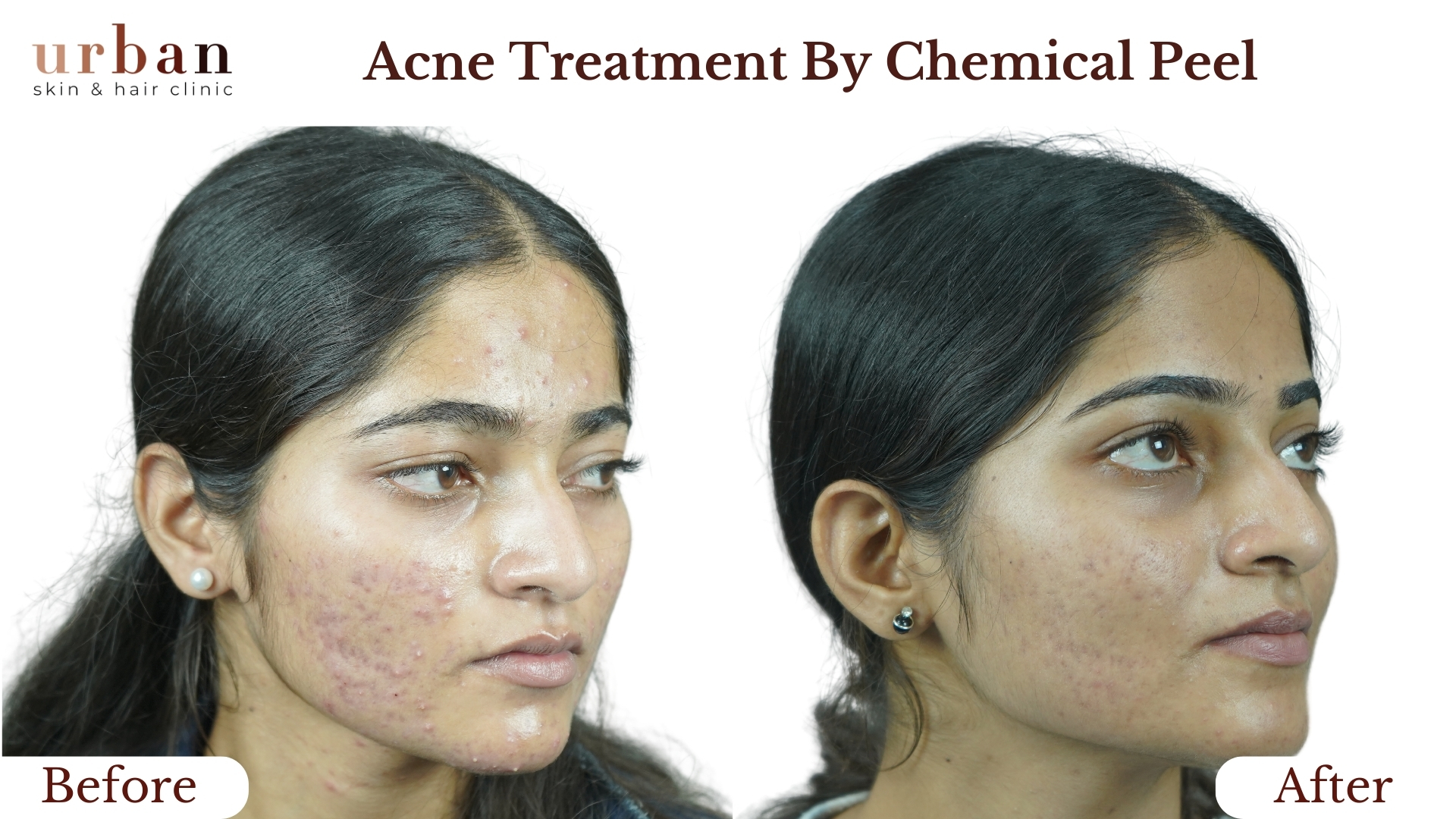
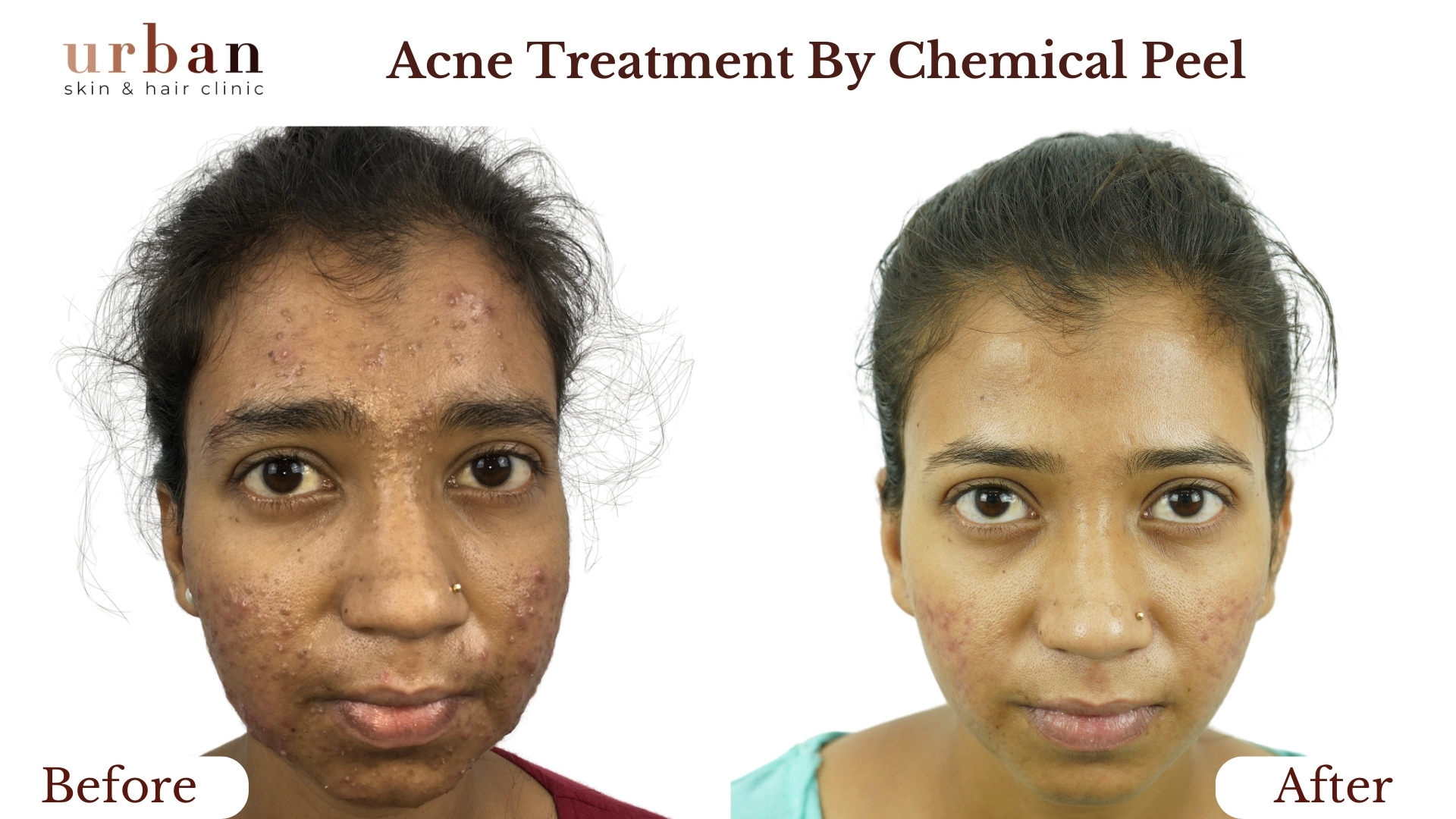
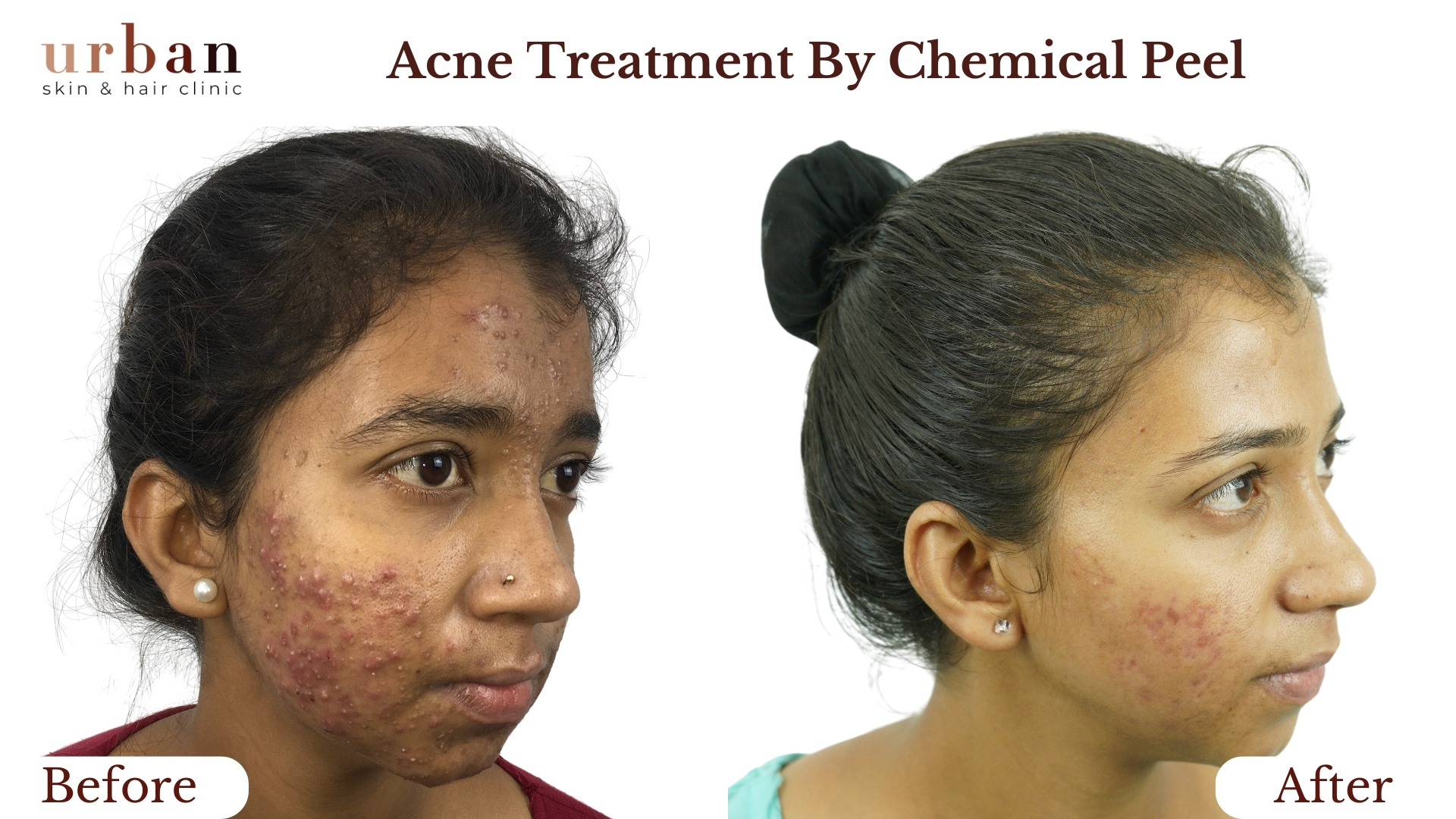
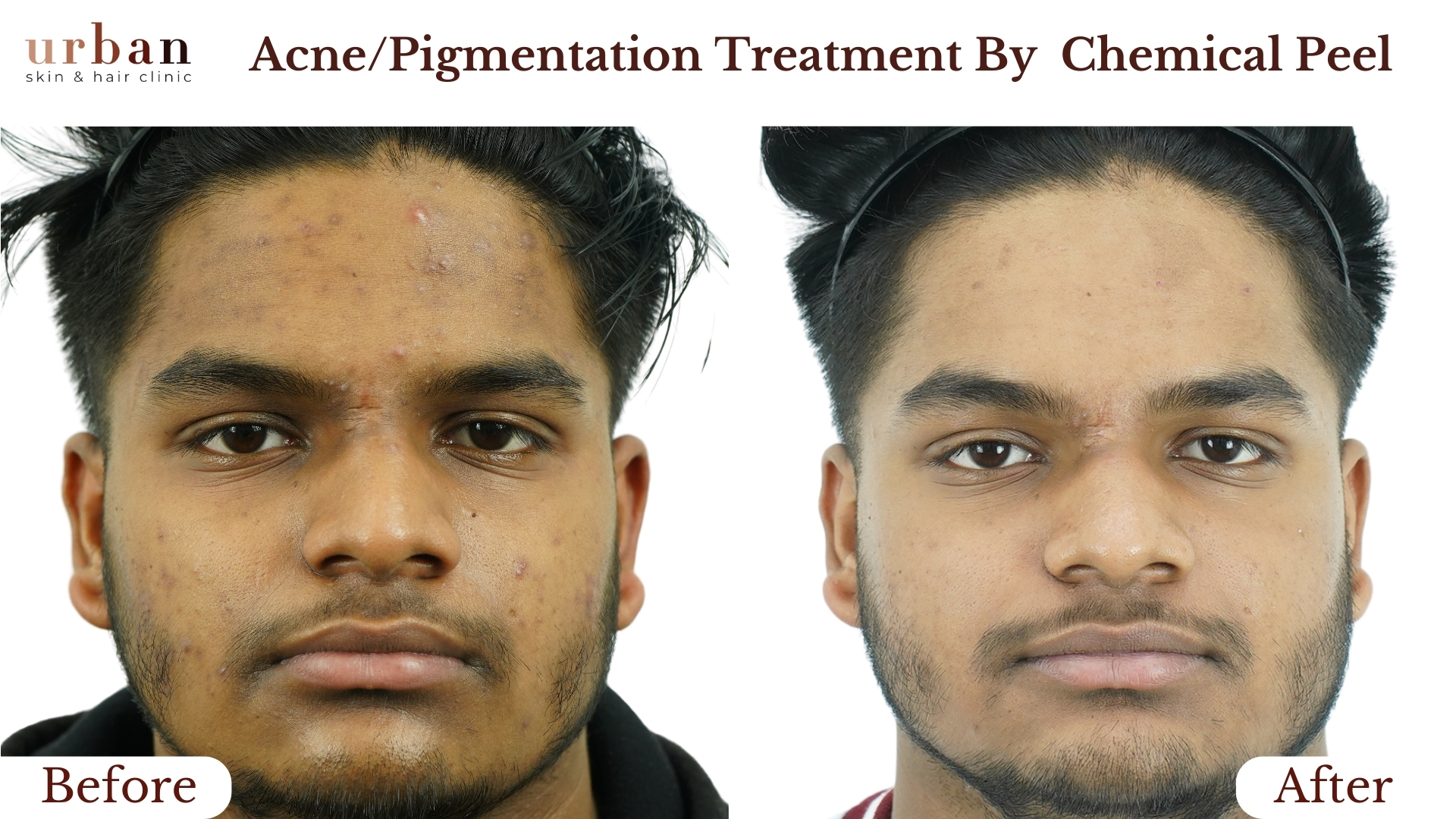
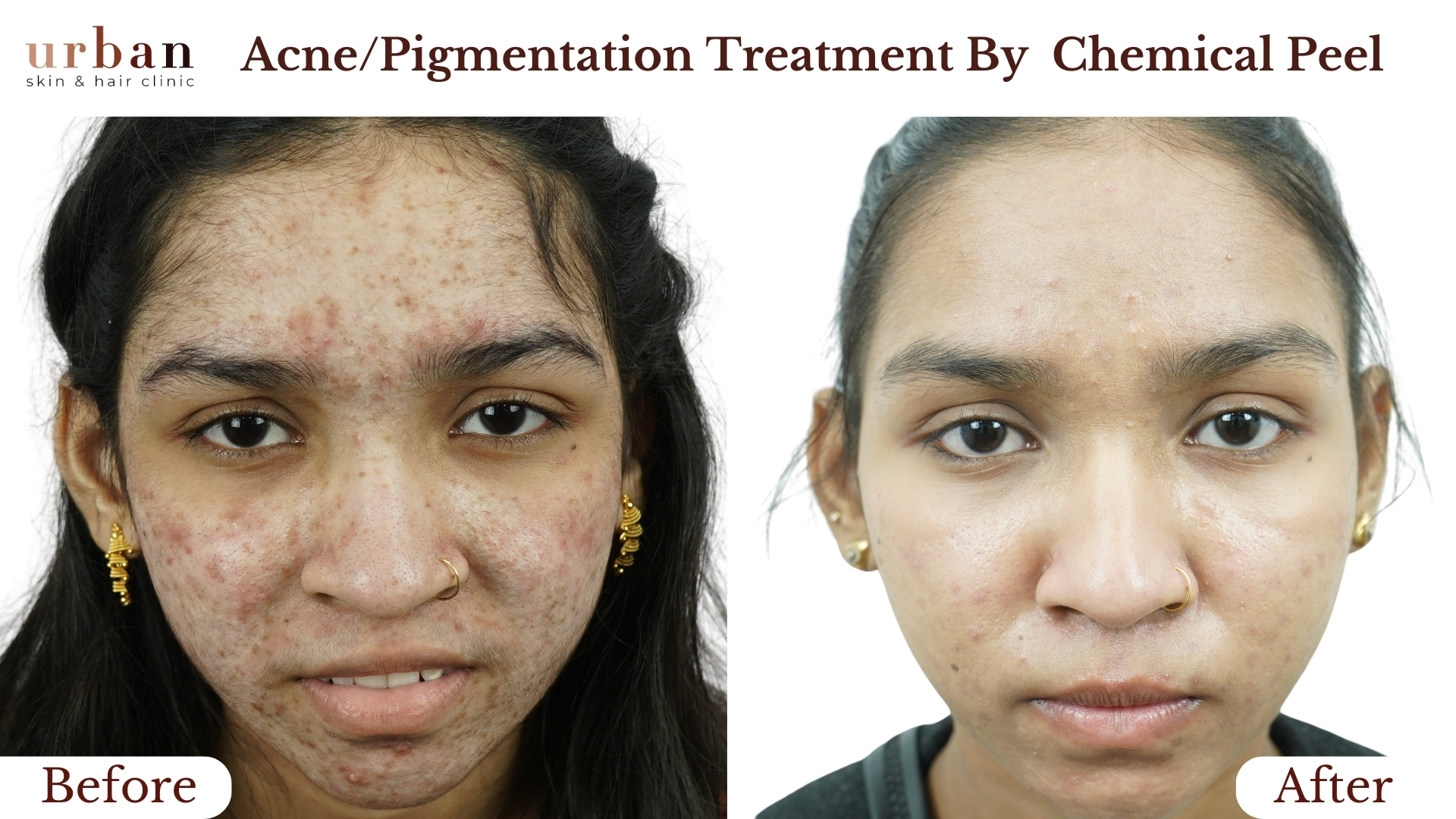
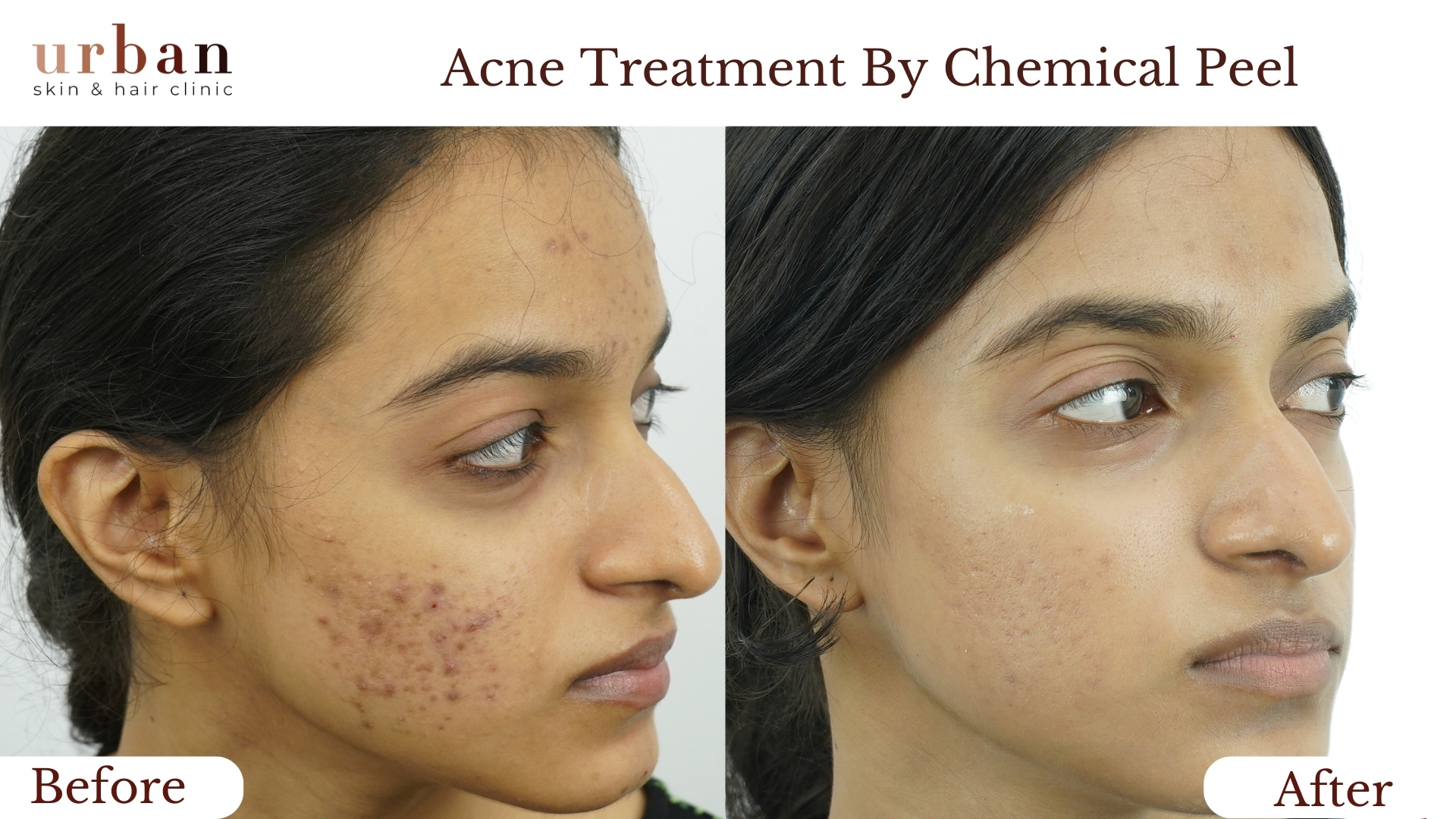
Keloid Treatment Results Before & After
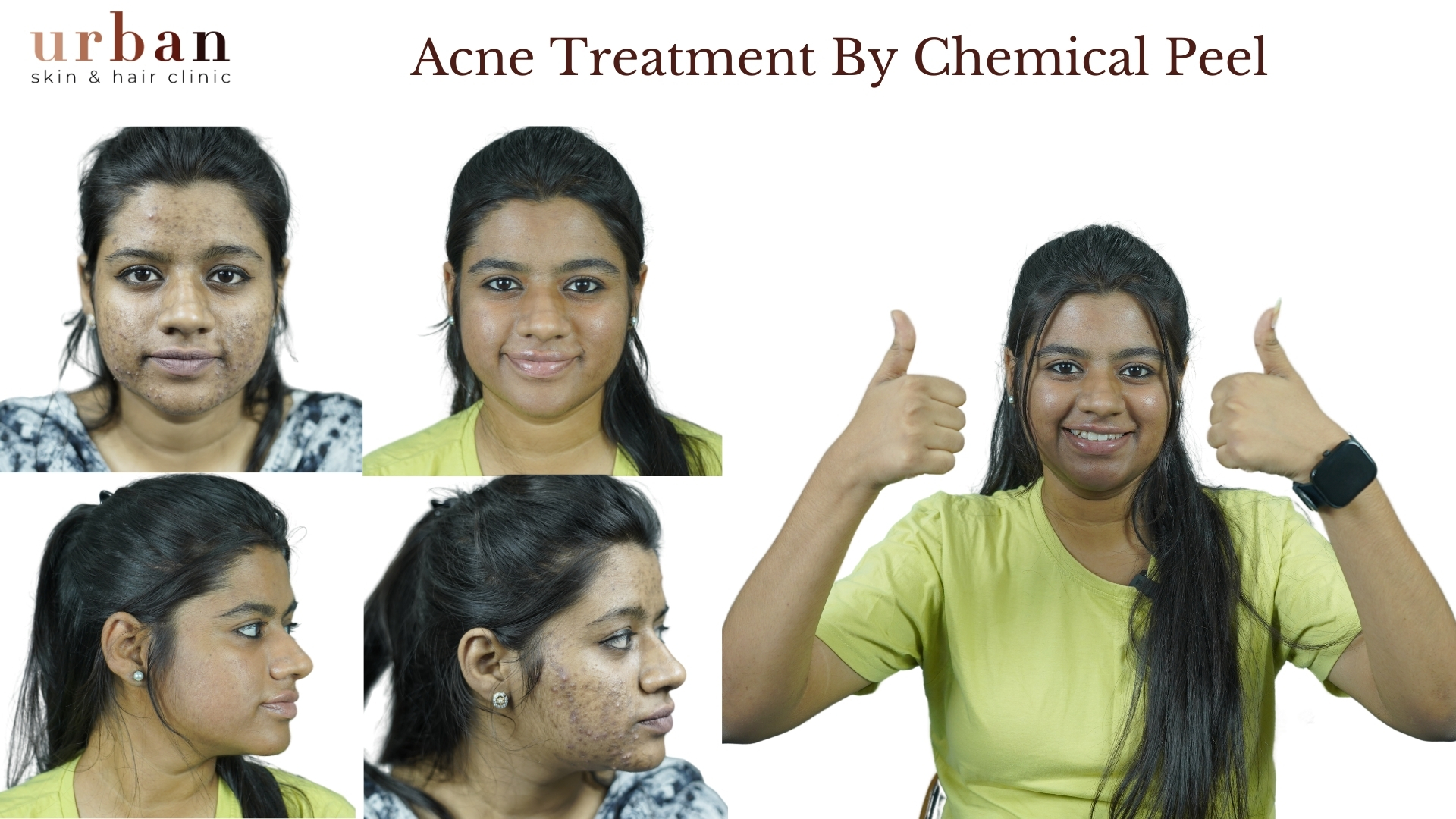
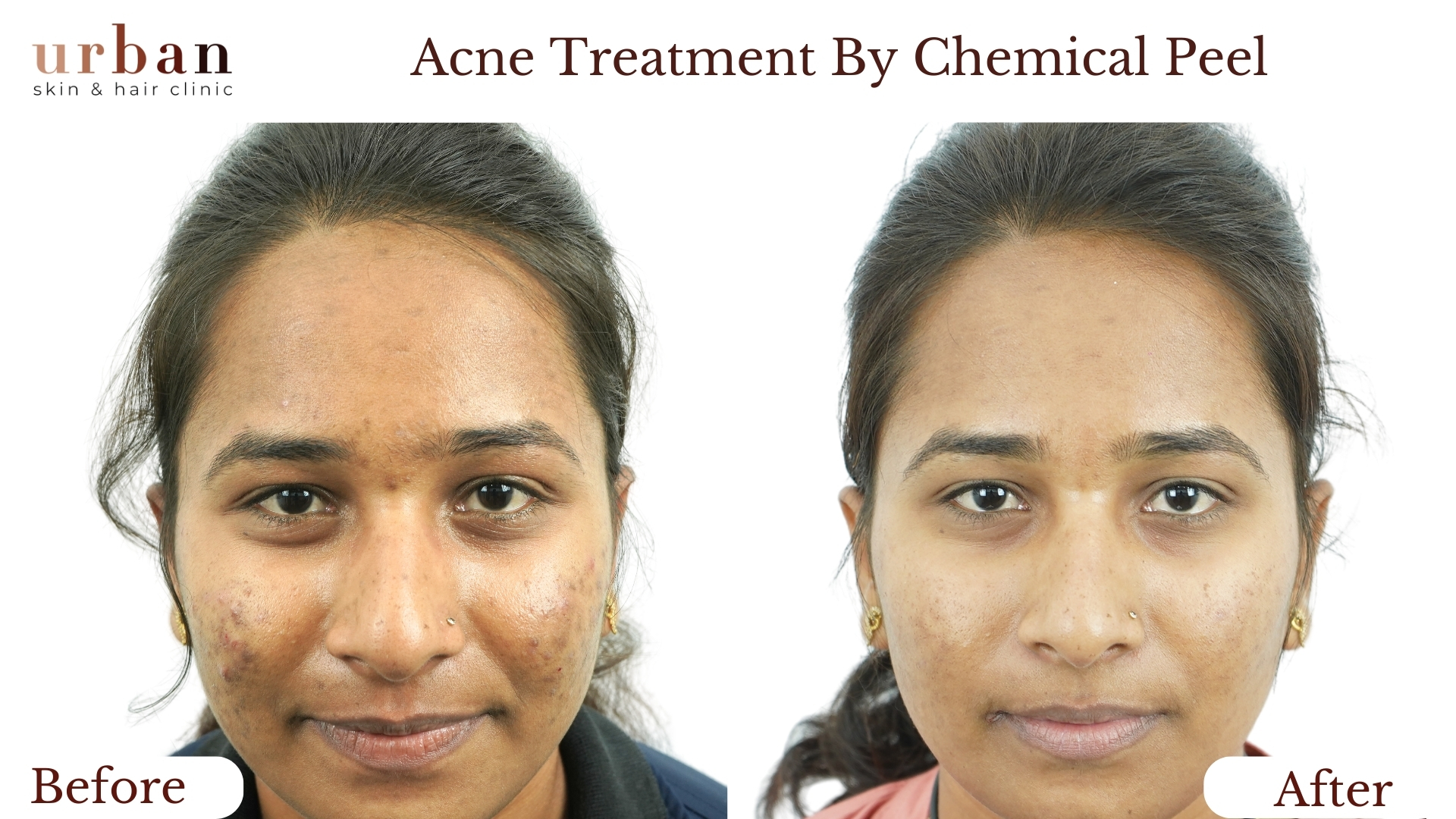
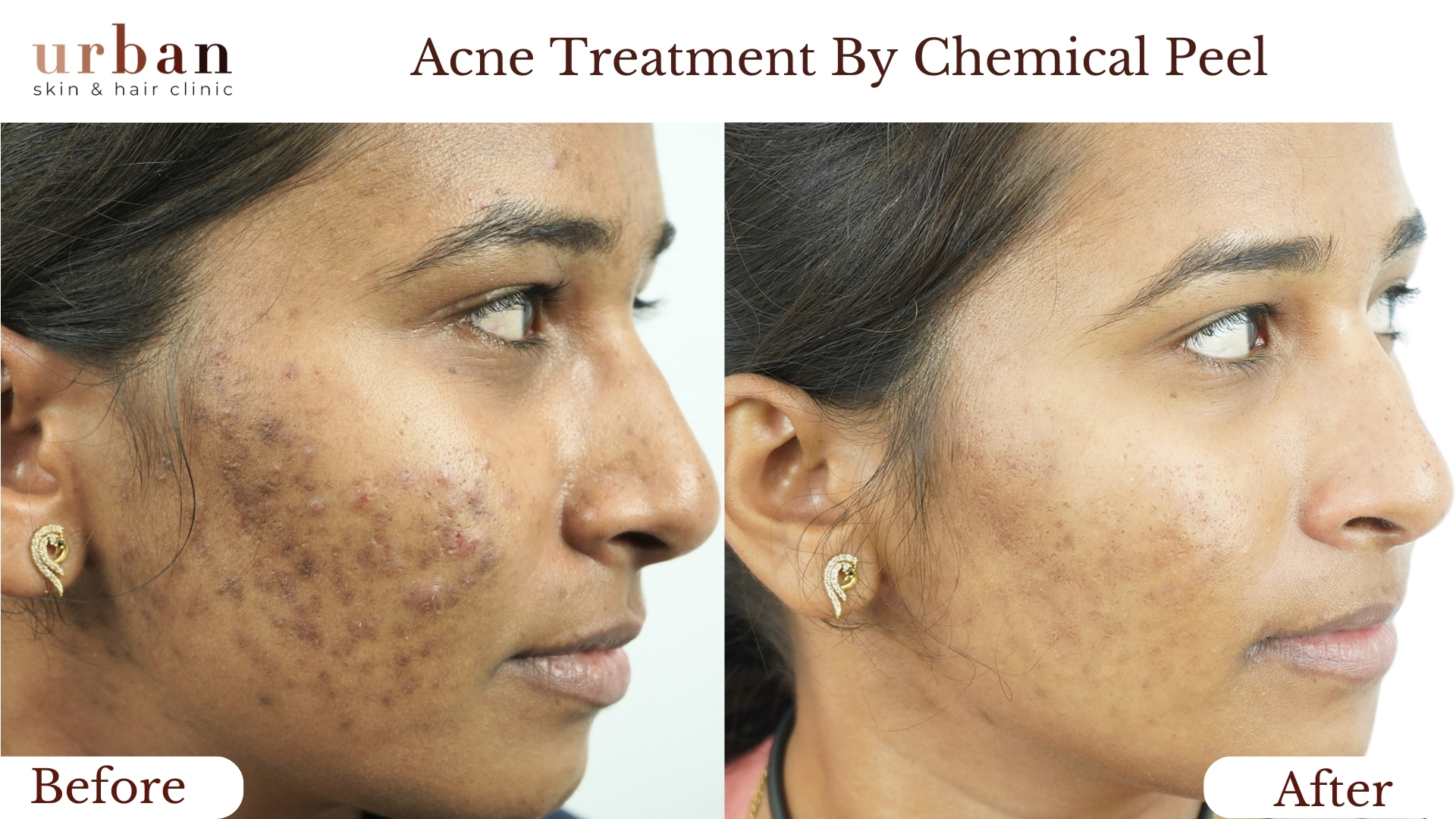
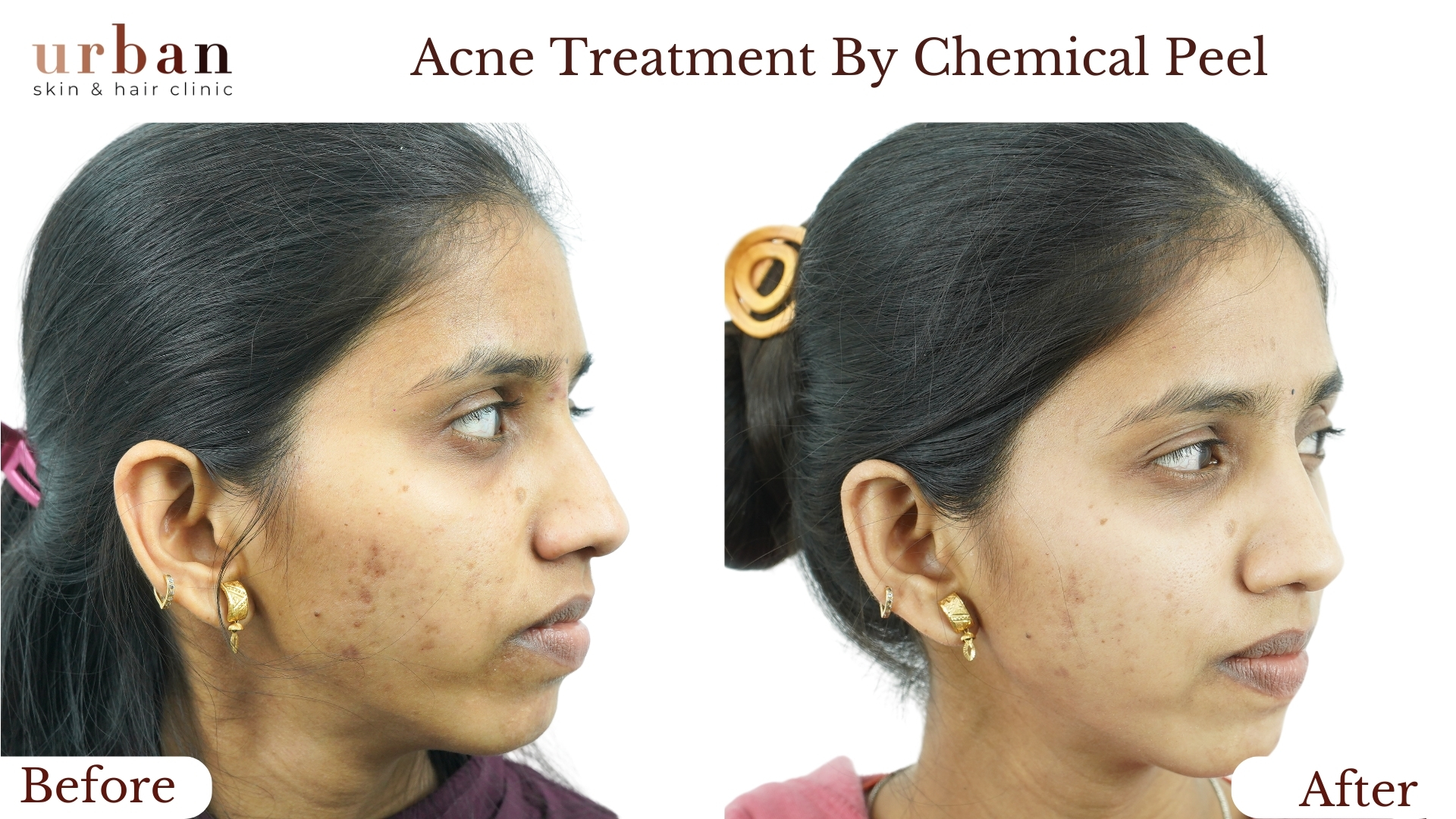

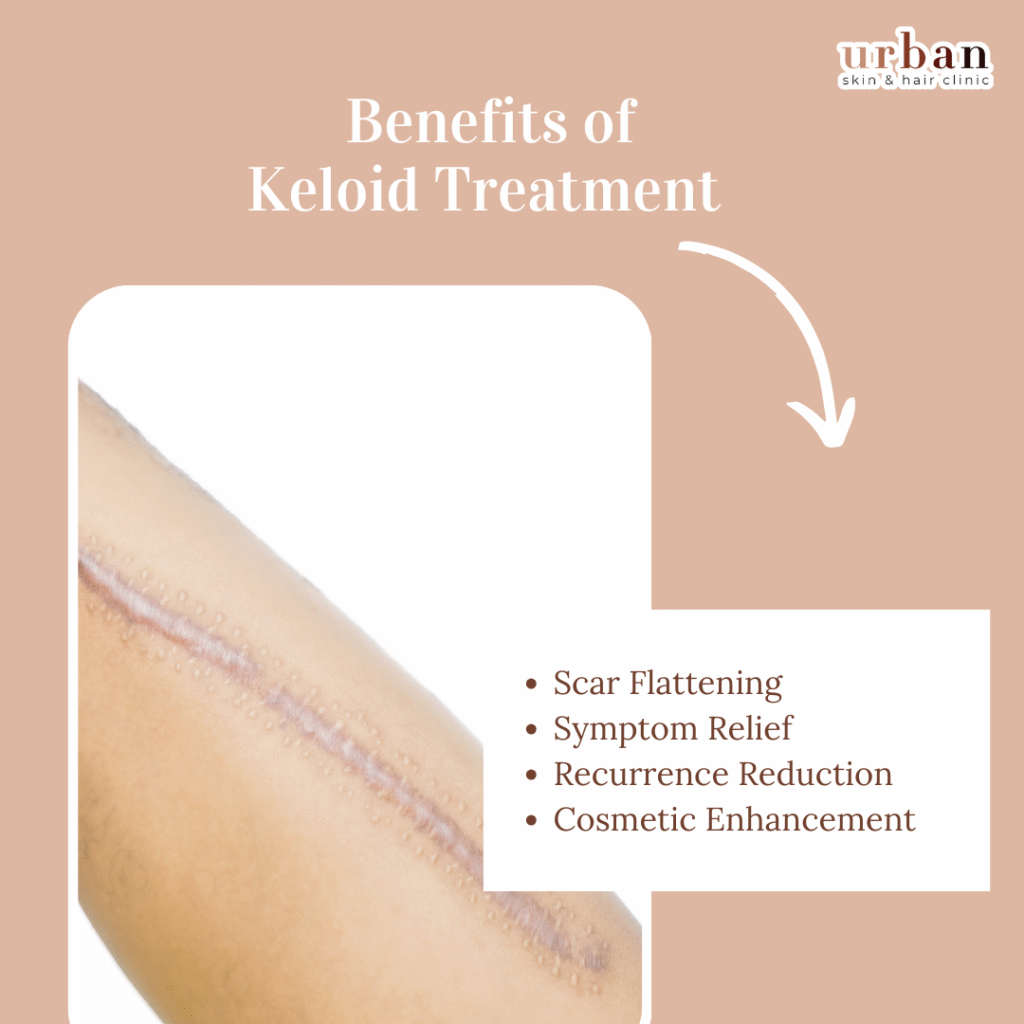
Benefits of Keloid Treatment
Keloid treatment reduces raised, thickened scars that extend beyond original wounds, improving appearance and comfort through targeted therapies.
Scar Flattening
Corticosteroid injections like triamcinolone shrink keloids by 50-80% in size, softening texture over 4-6 sessions.
Symptom Relief
Laser therapy (pulsed dye or fractional CO2) alleviates itch, pain, and hyperpigmentation in 60-70% of cases.
Recurrence Reduction
Post-surgical radiation or 5-FU injections lower regrowth rates to under 20%, versus 50-90% with excision alone.
Cosmetic Enhancement
Silicone sheets combined with pressure therapy enhance skin smoothness and blend keloids with surrounding tissue.
Popular Treatments for Keloid
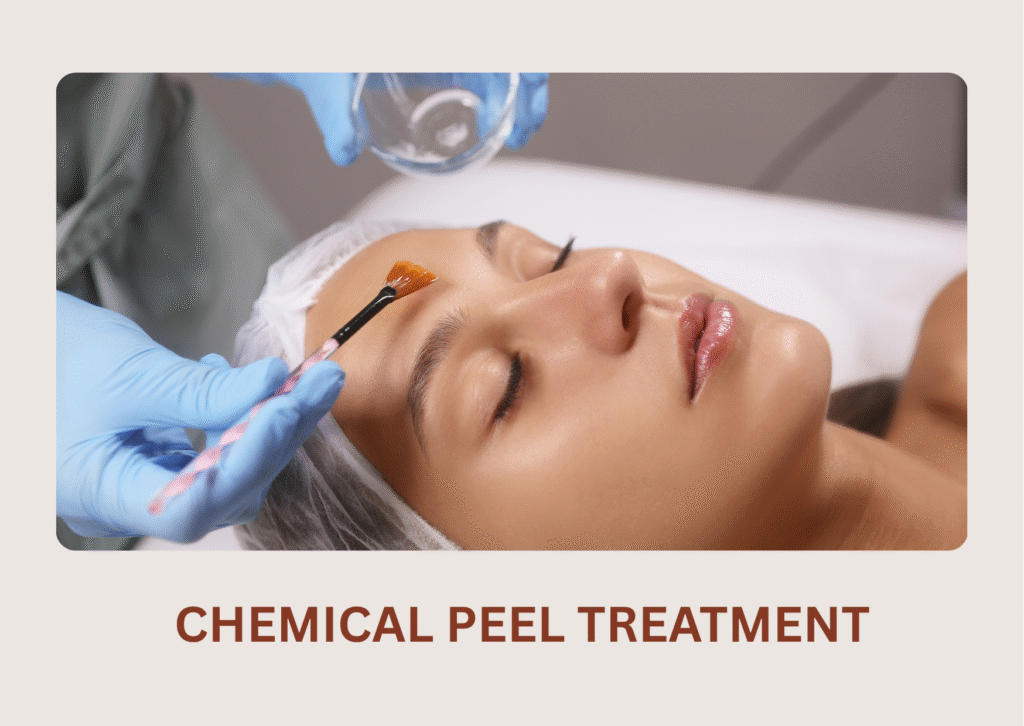
Clears active acne and brightens the skin by removing clogged, damaged surface layers.
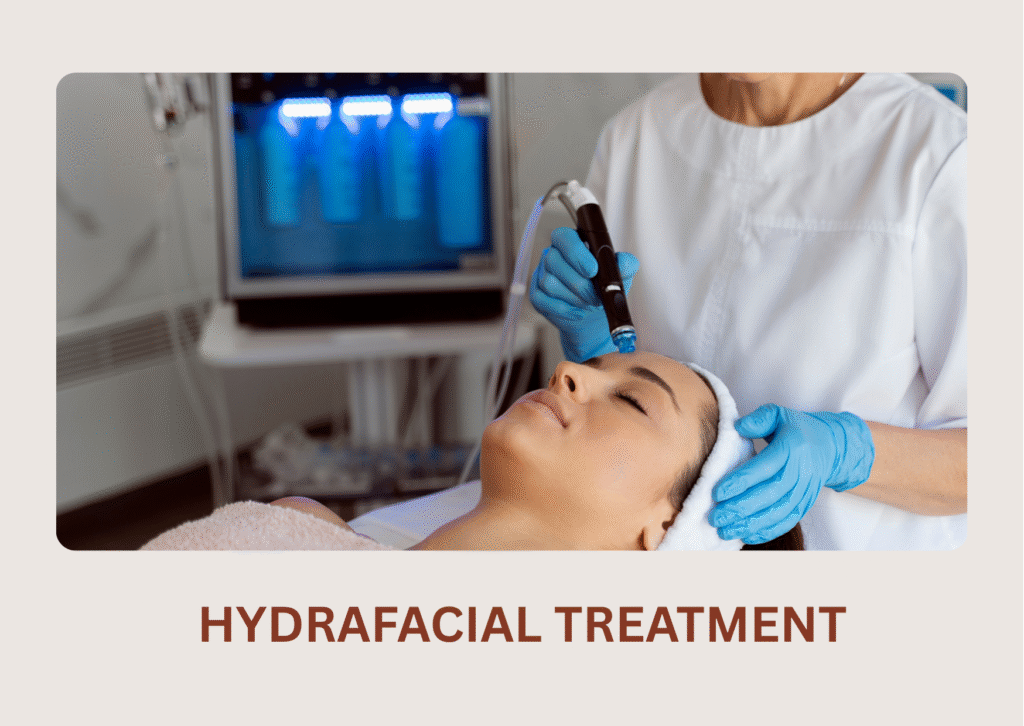
Deeply cleanses pores and reduces acne-causing oil and bacteria for clearer skin.
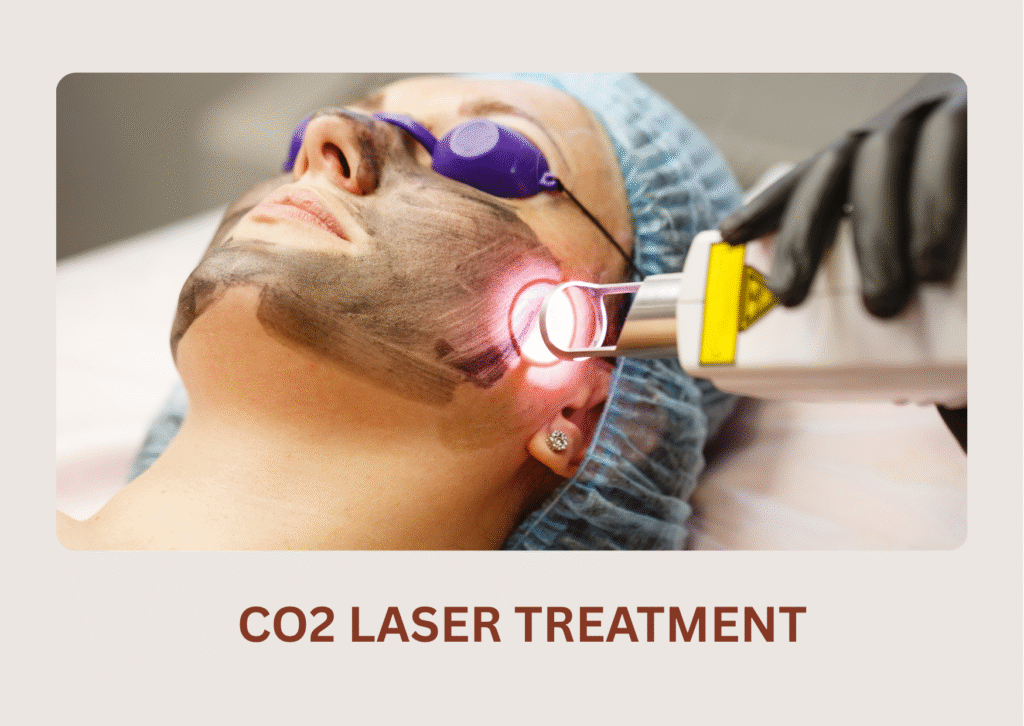
Helps reduce deep acne scars by resurfacing the skin for a smoother texture.
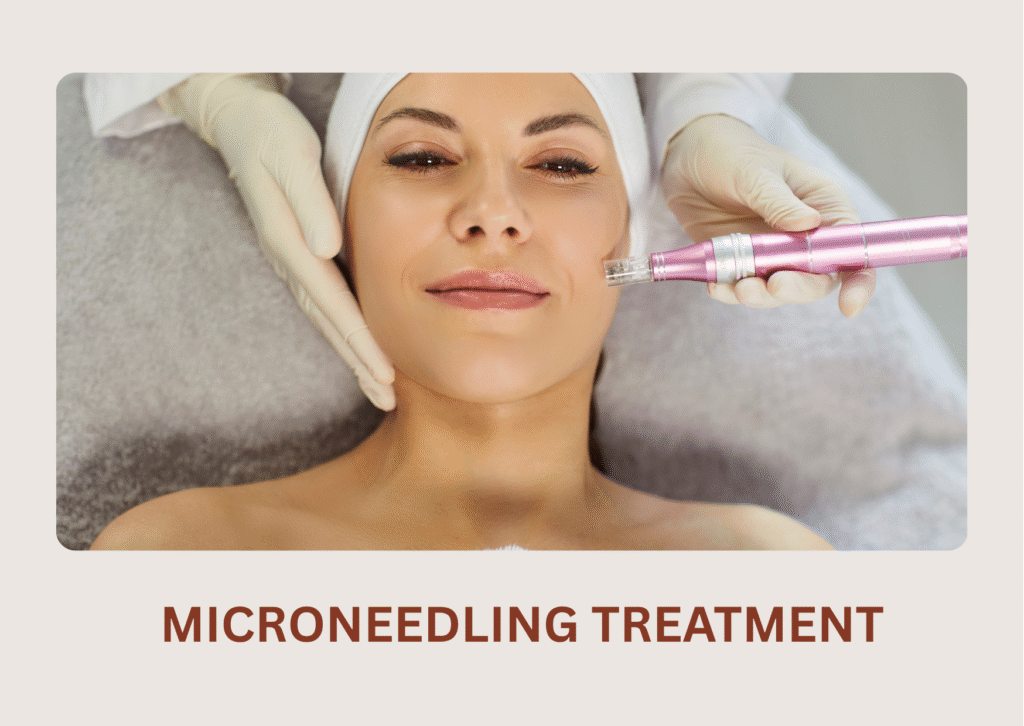
Stimulates collagen to reduce acne scars and improve overall skin texture.
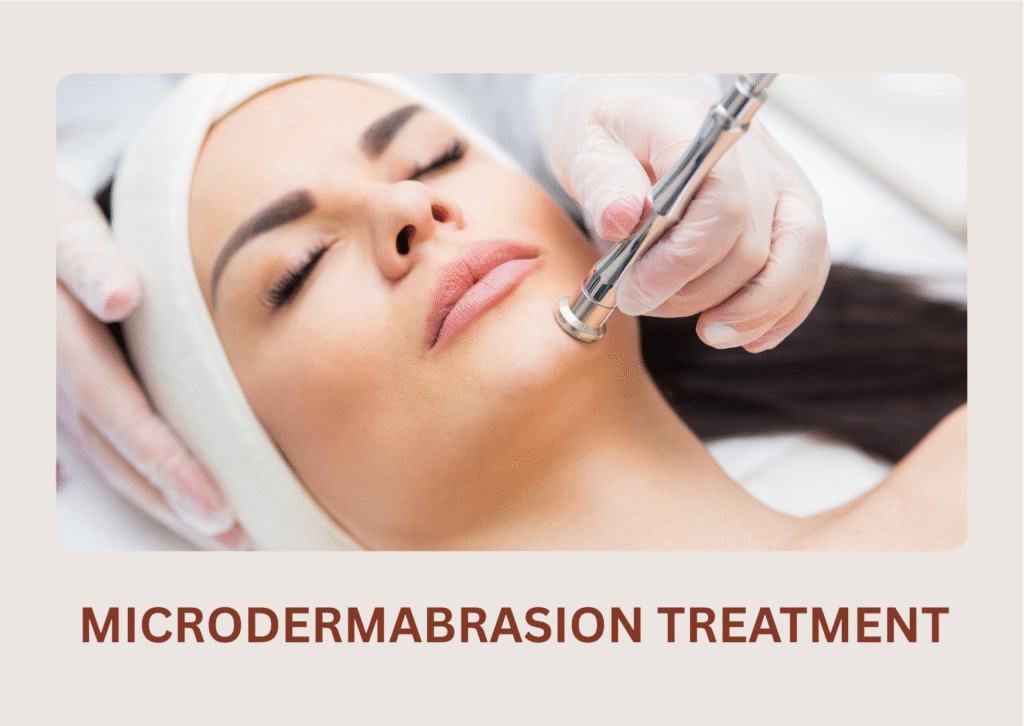
Gently exfoliates dead skin cells to prevent clogged pores and minimize mild acne.
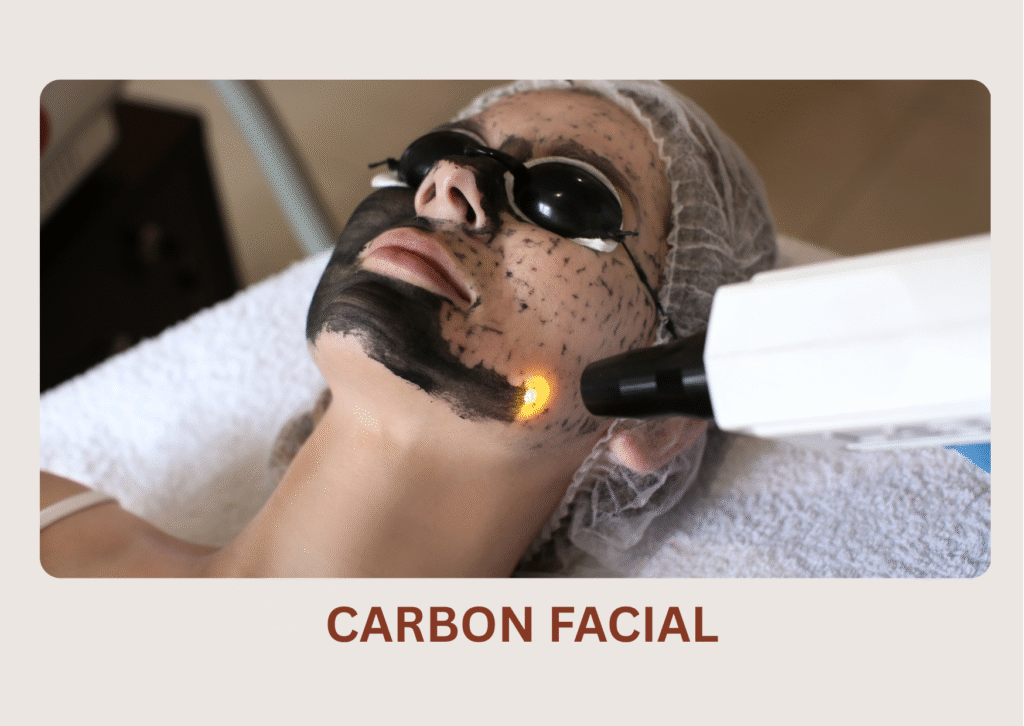
Controls excess oil, shrinks pores, and targets acne-causing impurities for clearer skin.
How To Prevent Keloid?
Keloid prevention focuses on minimizing excessive scar tissue growth in prone individuals through wound care and tension reduction.
Wound Management
Clean wounds gently with mild soap, apply petroleum jelly to keep moist, and cover with bandages for 6 months post-injury.
Silicone Application
Use silicone gel sheets or gels immediately after scabbing to hydrate skin and reduce collagen overproduction for up to 6-12 months.
Pressure Therapy
Apply pressure earrings after piercings or compression garments on high-risk areas like shoulders to limit scar elevation.
Sun Protection
Shield healing wounds from UV exposure with clothing and SPF 30+ sunscreen to prevent darkening and worsening.
Consult a Specialist Today
Many of the techniques for preventing pimples may also be used to cure them. Eating well, avoiding stress, and not popping pimples may help manage zits and reduce their length. If your acne continues despite your best efforts, you may need prescription acne treatment. Consult your dermatologist if you’re uncertain about treatment.
FAQ's
Keloids form due to overactive fibroblast response during wound healing, triggered by trauma like cuts, burns, piercings, or acne in genetically predisposed individuals.
Hypertrophic scars stay within wound borders and often fade; keloids extend beyond, persist, and rarely regress spontaneously.
No, keloids result from internal healing dysregulation, not infection, and cannot spread person-to-person.
Rarely most persist or grow without treatment, though they may soften slightly over years in some cases.
People aged 10-30 with darker skin (Afro-Caribbean, Asian), family history, or wounds on chest, shoulders, ears face higher risk.