


Clear, Healthy & Confident Skin with Herpes Zoster Treatment In Pune
Herpes Zoster Treatment In Pune, Shingles, also known as herpes zoster, is a viral infection that causes a painful rash. It is caused by the varicella-zoster virus, the same virus that causes chickenpox. After a person recovers from chickenpox, the virus remains dormant in nerve tissues near the spinal cord and brain.
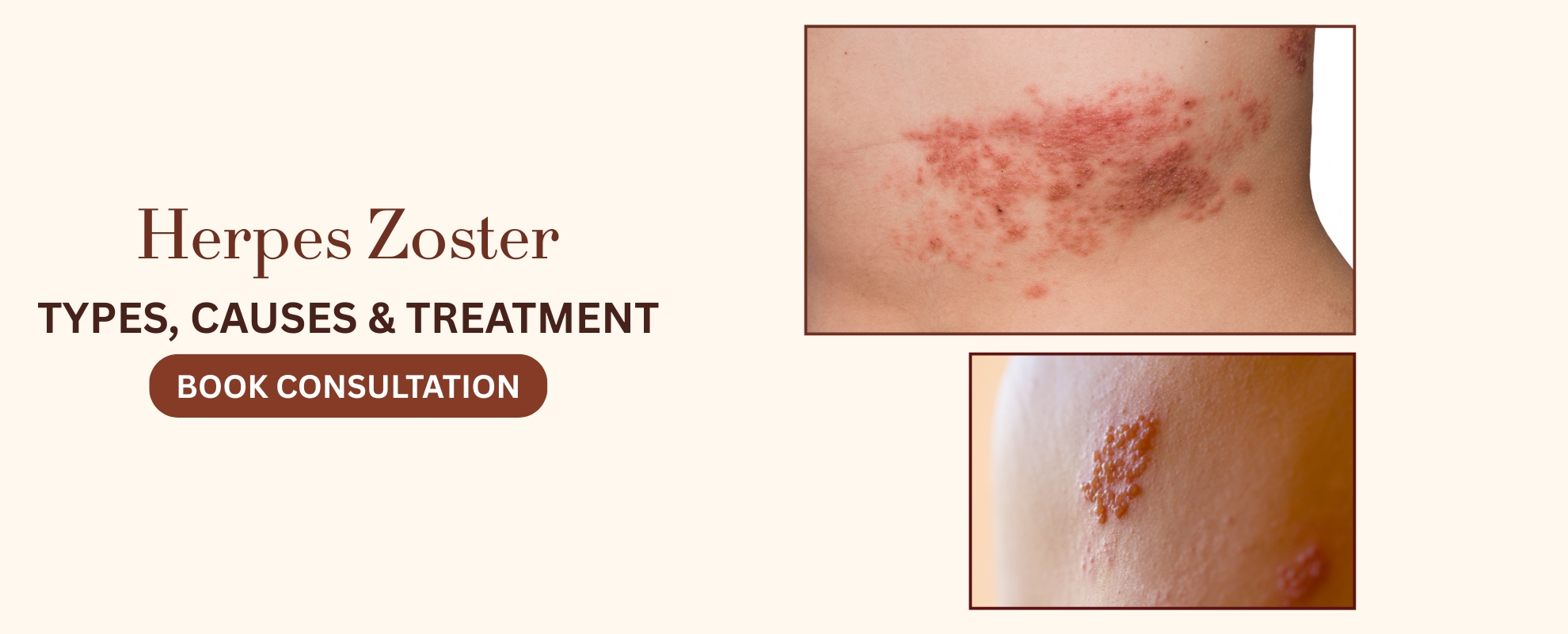
Shingles typically affects older adults and individuals with weakened immune systems, although it can occur in people of any age. The condition is characterized by a painful, blistering rash that usually appears on one side of the body, often in a band or a small area. The rash follows the path of the nerves where the virus has been dormant.
Symptoms and Causes
Symptoms & Signs of Herpes Zoster
Herpes Zoster Treatment In Pune, The symptoms and signs of herpes zoster (shingles) can vary from person to person, but here are the common ones:
- Pain and Sensation: Shingles typically begin with pain, itching, tingling, or a burning sensation in a specific area of the body. This often precedes the appearance of any visible symptoms.
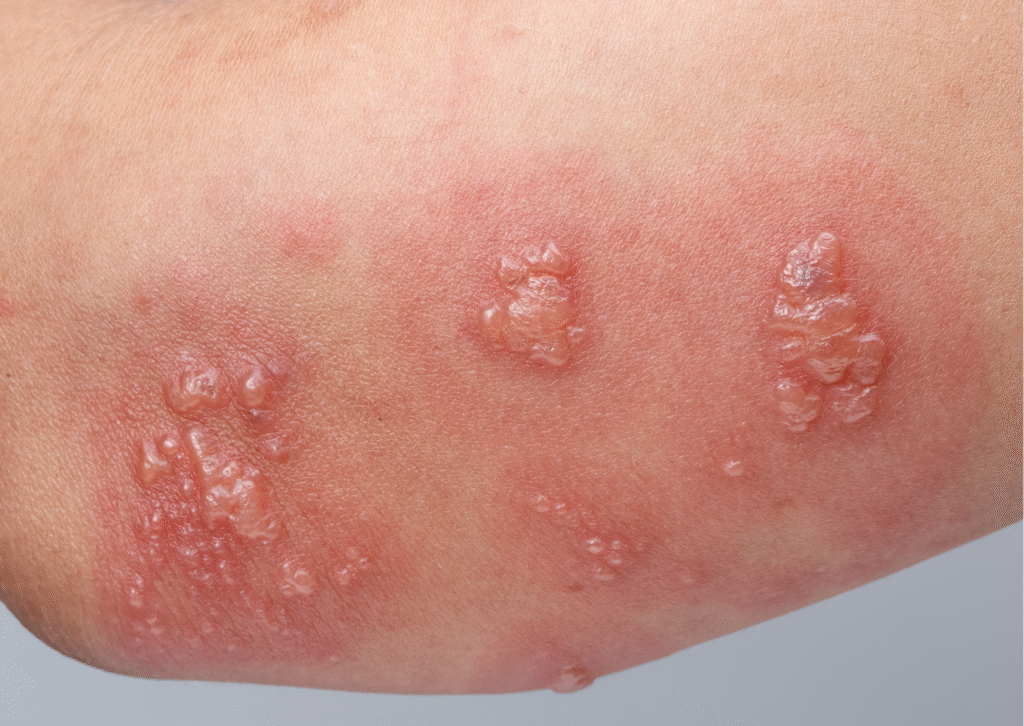
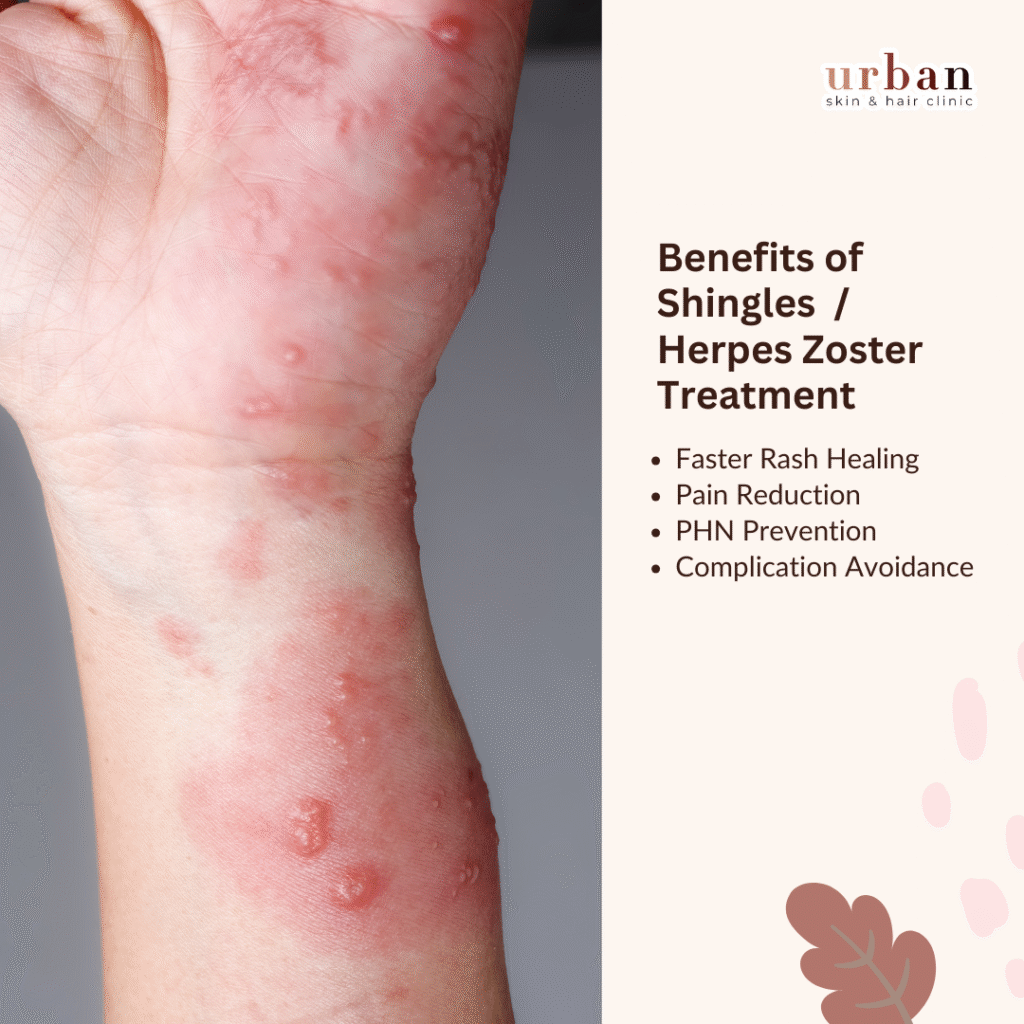
- Rash: A rash is one of the hallmark signs of shingles. It usually appears as a band or strip of red, raised, fluid-filled blisters that break open and form crusts over time. The rash is usually localized to one side of the body and follows the path of the affected nerve fibres.
- Nerve Pain: Shingles can cause intense, sharp, or shooting pain along the affected nerve pathway. This pain can be persistent and severe, even after the rash has healed. It is known as postherpetic neuralgia and can last for weeks, months, or sometimes years.
- Itching And Sensitivity: The affected area may be itchy and sensitive to touch or temperature changes.
- Flu-like Symptoms: Some individuals with shingles may experience flu-like symptoms, such as fever, fatigue, headache, and general feelings of being unwell.
- Swelling and Inflammation: The rash and surrounding skin may become swollen and inflamed.
- Blisters: Fluid-filled blisters are a characteristic feature of the shingles rash. These blisters are fragile and can break open easily, leading to the formation of crusts.
It’s important to note that the symptoms typically affect a specific area or band of the body.


What are the causes Shingles / Herpes Zoster
Herpes Zoster Treatment In Pune, Shingles are caused by the varicella-zoster virus (VZV), which is the same virus responsible for chickenpox. After a person recovers from chickenpox, the virus remains in their body,
- Weakened Immune System: A weakened immune system can increase the risk of shingles. This can be due to aging, certain medical conditions (such as HIV/AIDS), or medications that suppress the immune system (like chemotherapy or immunosuppressant drugs).
- Aging: The risk of developing shingles increases with age. As the immune system weakens with age, it becomes less effective at keeping the varicella-zoster virus in check.
- Stress and Illness: Physical or emotional stress and severe illnesses can weaken the immune system, making it more susceptible to shingles.
- Previous Chickenpox Infection: If you have had chickenpox in the past, the virus can reactivate later in life and cause shingles

what are the Types Of Shingles
When we talk about the types of shingles, we generally refer to the different patterns or areas of the body that can be affected by the viral infection.
- Herpes Zoster (Classic Shingles): This is the most common type of shingles. It typically affects a specific area
- Ophthalmic Shingles: This type of shingles affects the ophthalmic nerve, which supplies sensation to the forehead, scalp, and eye. Ophthalmic shingles can cause a rash around the eye and forehead.
- Ramsay Hunt Syndrome: Ramsay Hunt syndrome is a type of shingles that affects the facial nerves. It is characterized by a rash or blisters on the ear, ear canal, and earlobe. I
- Disseminated Shingles: Disseminated shingles occurs when the virus spreads to other parts of the body beyond the initial rash area. It can lead to widespread rash and blisters throughout the body.
These are some common types of shingles based on the affected areas of the body.
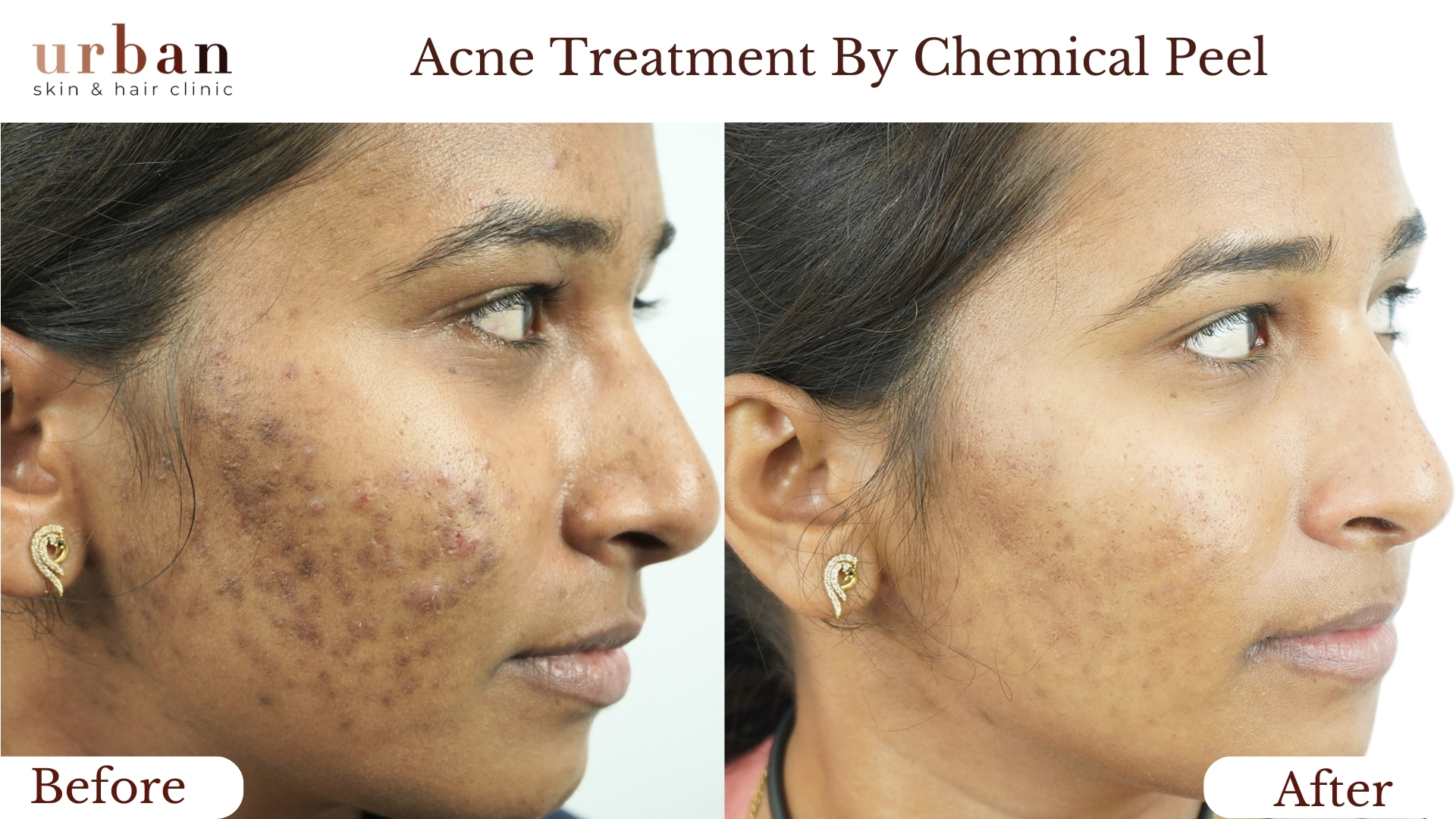
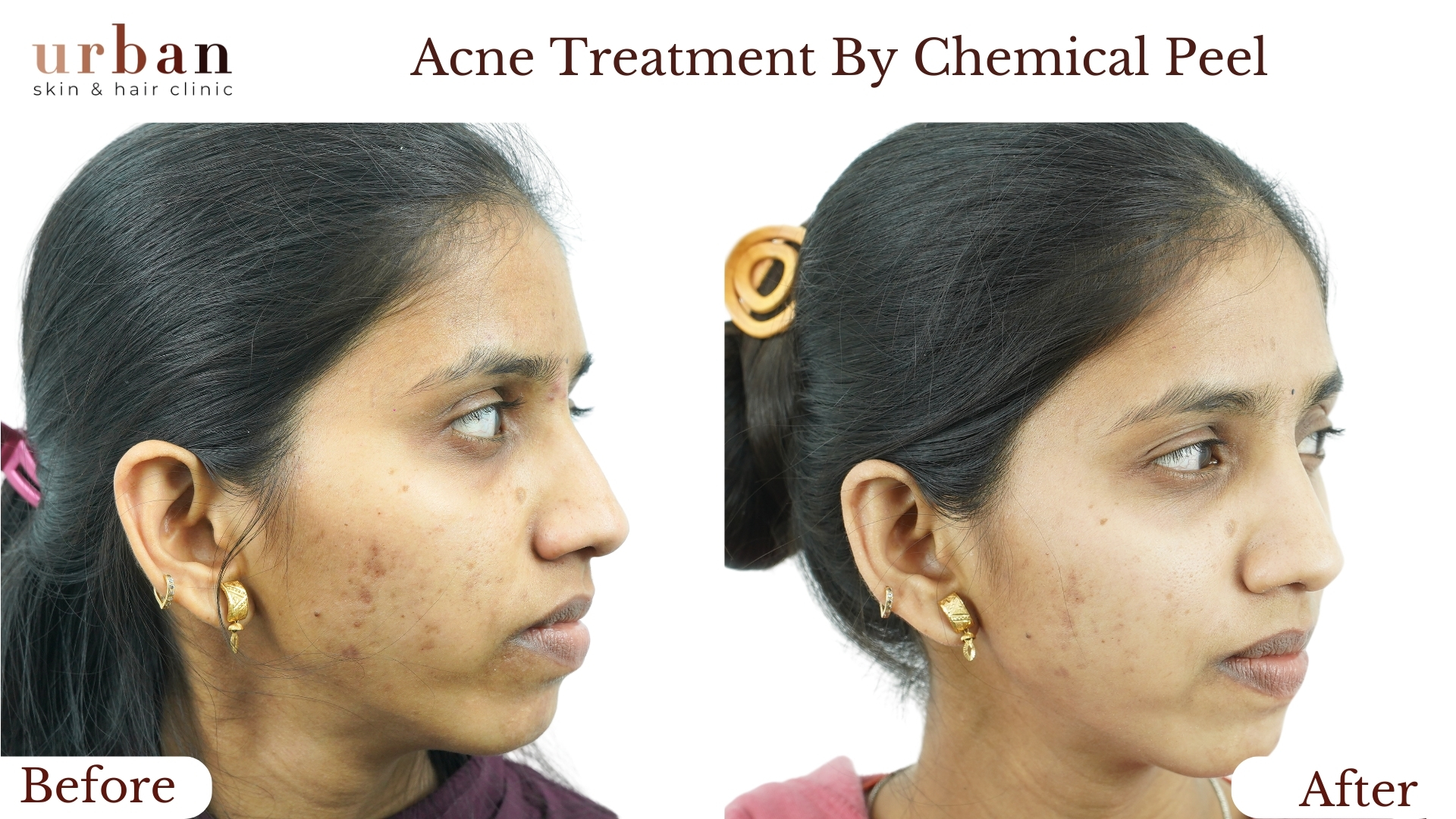
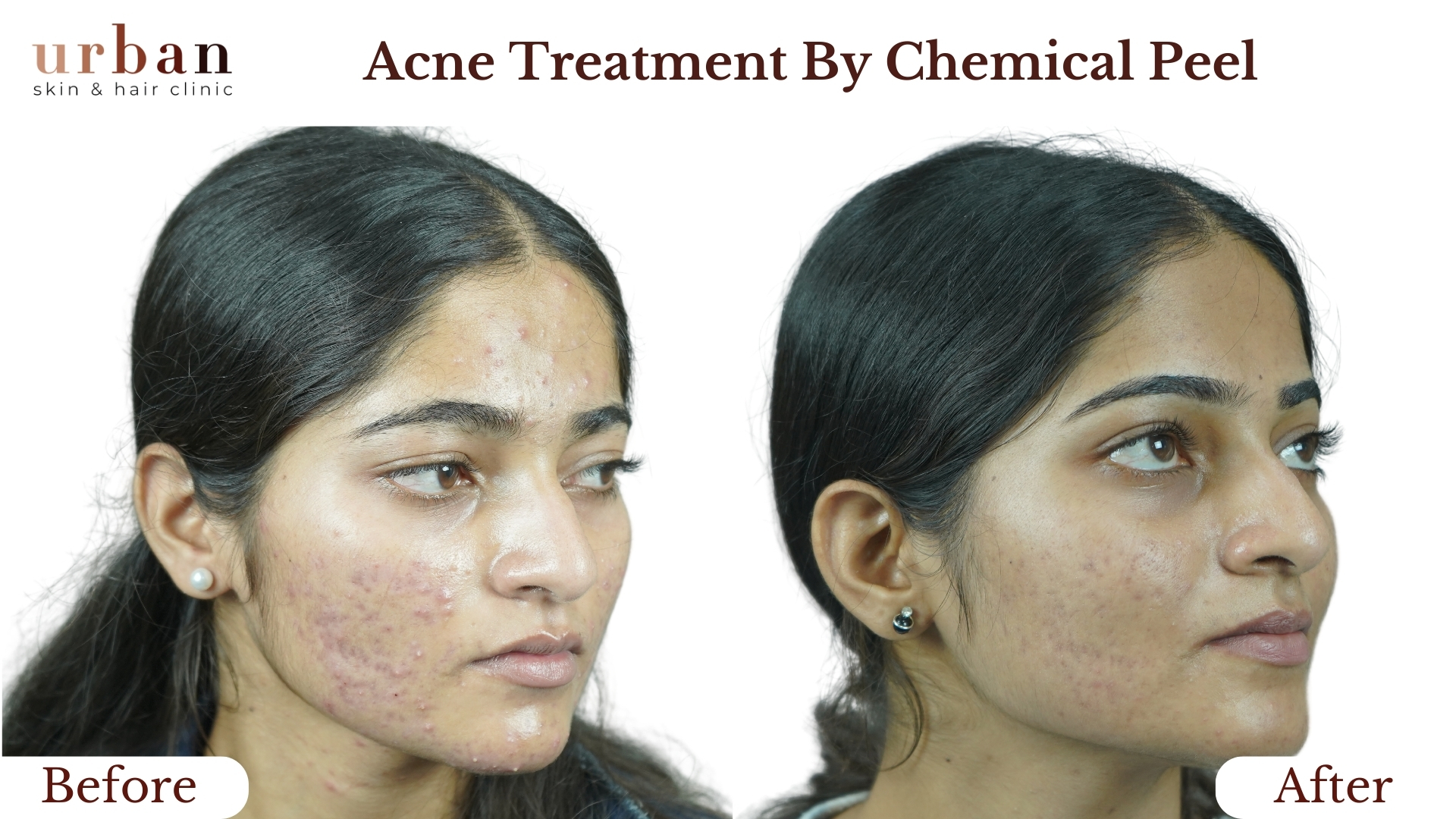
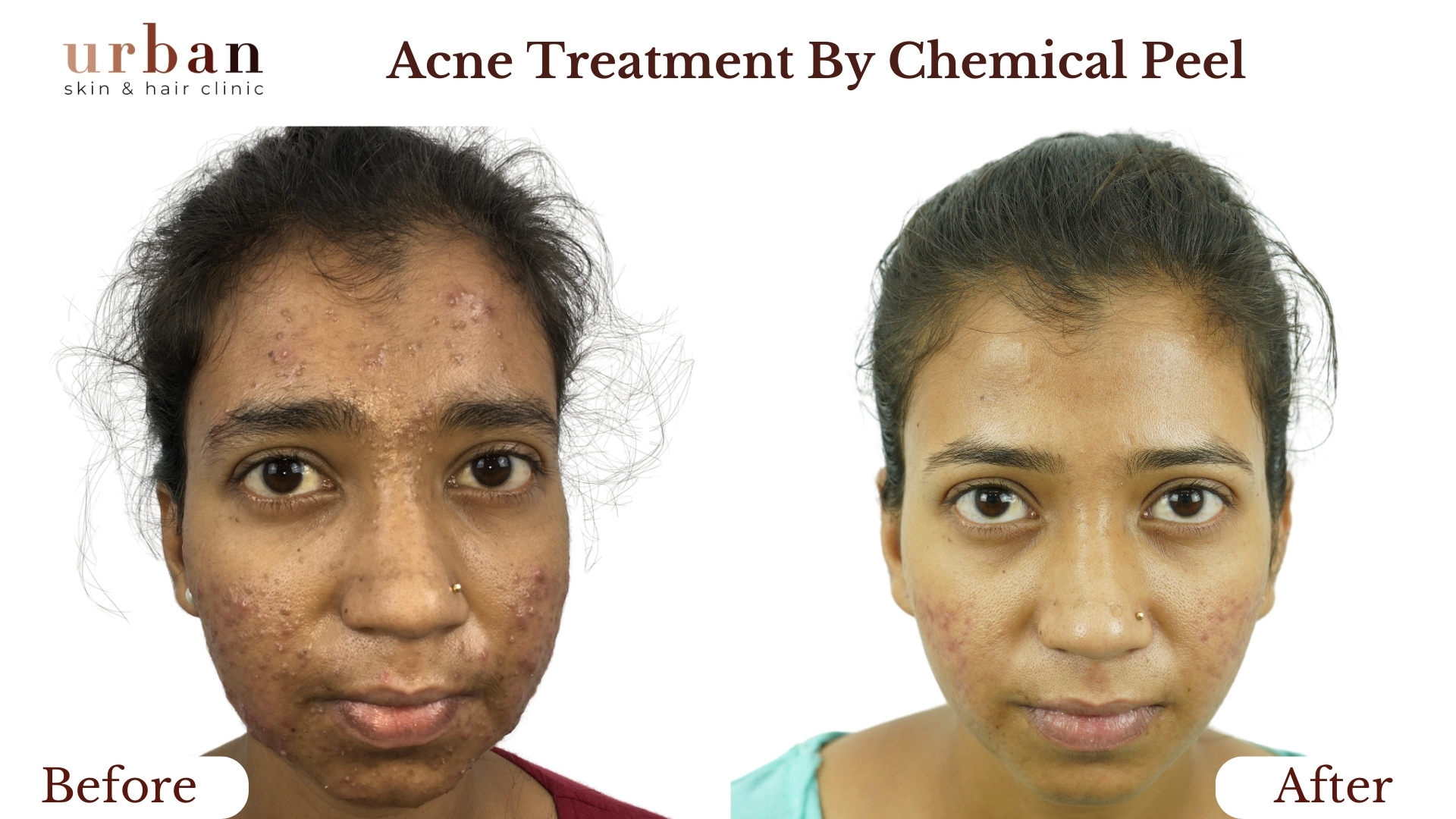
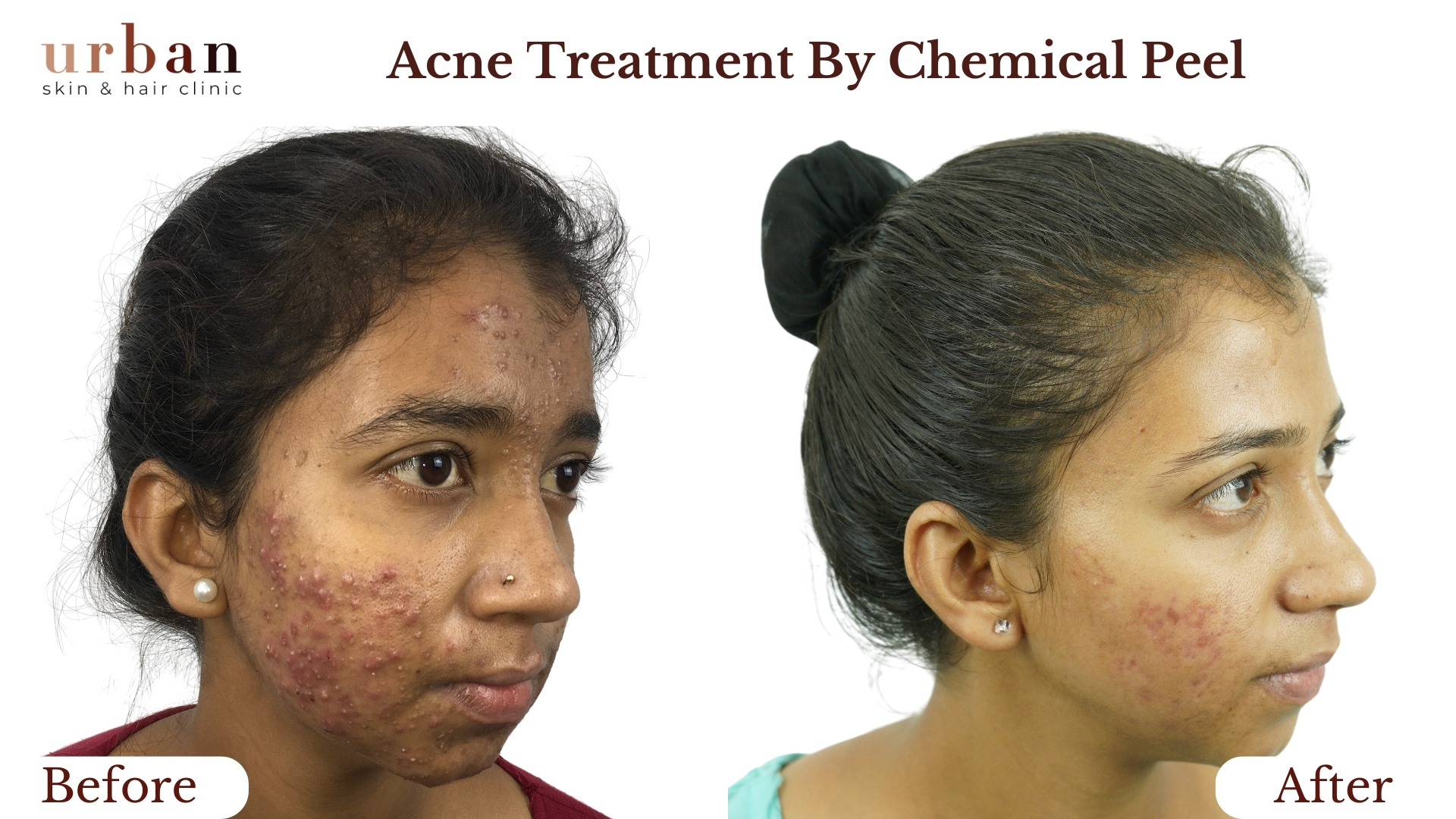
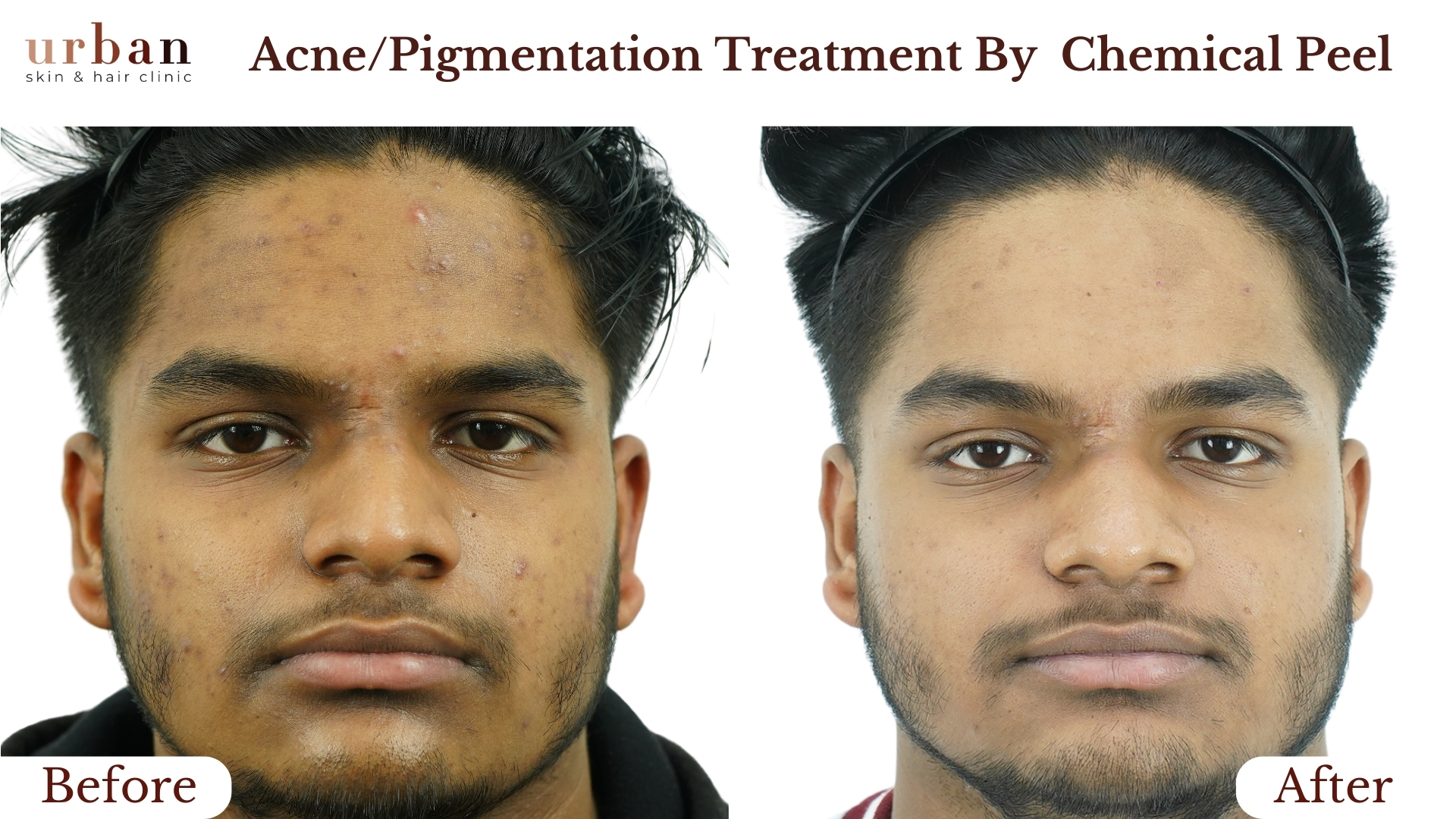
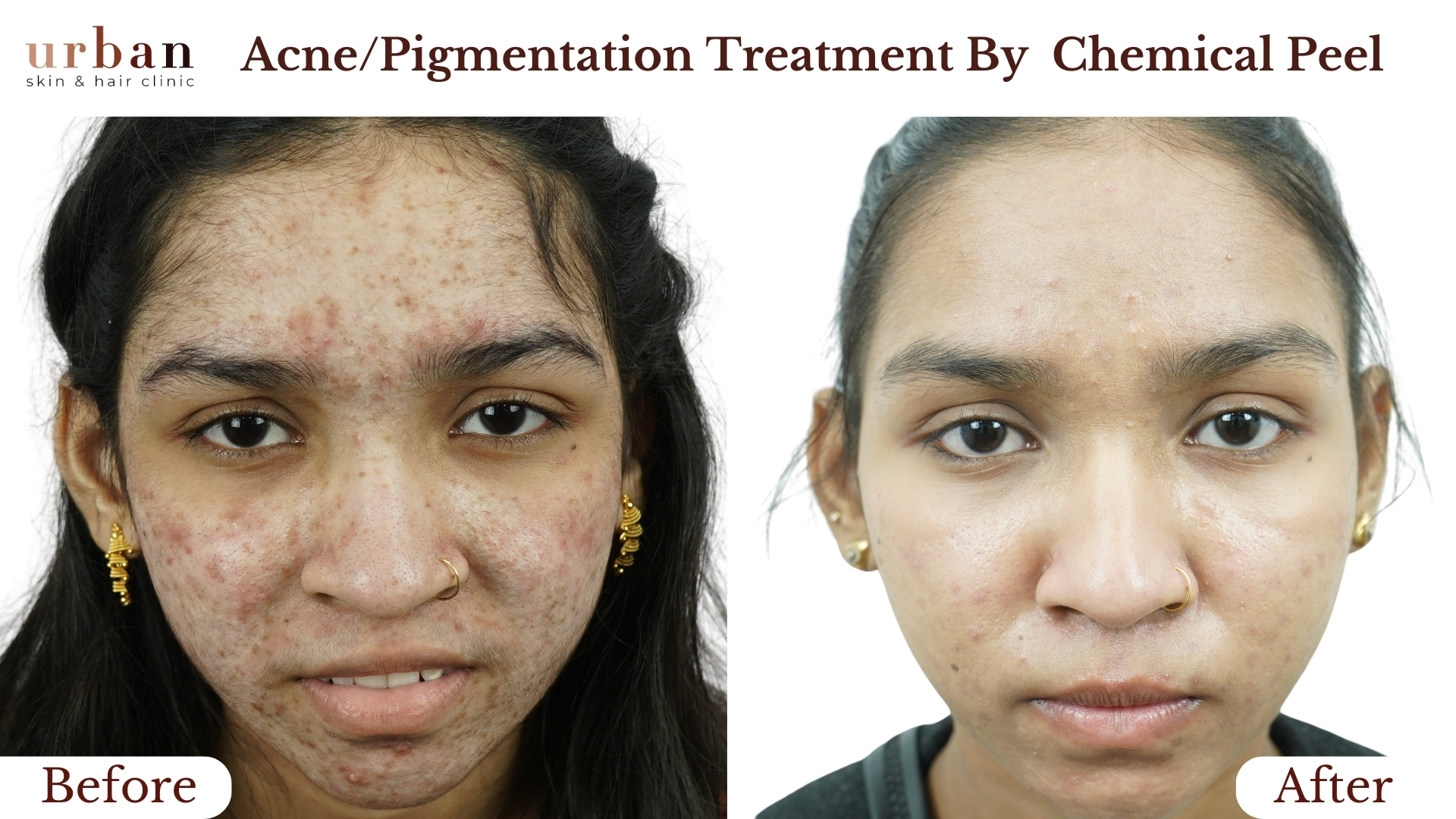
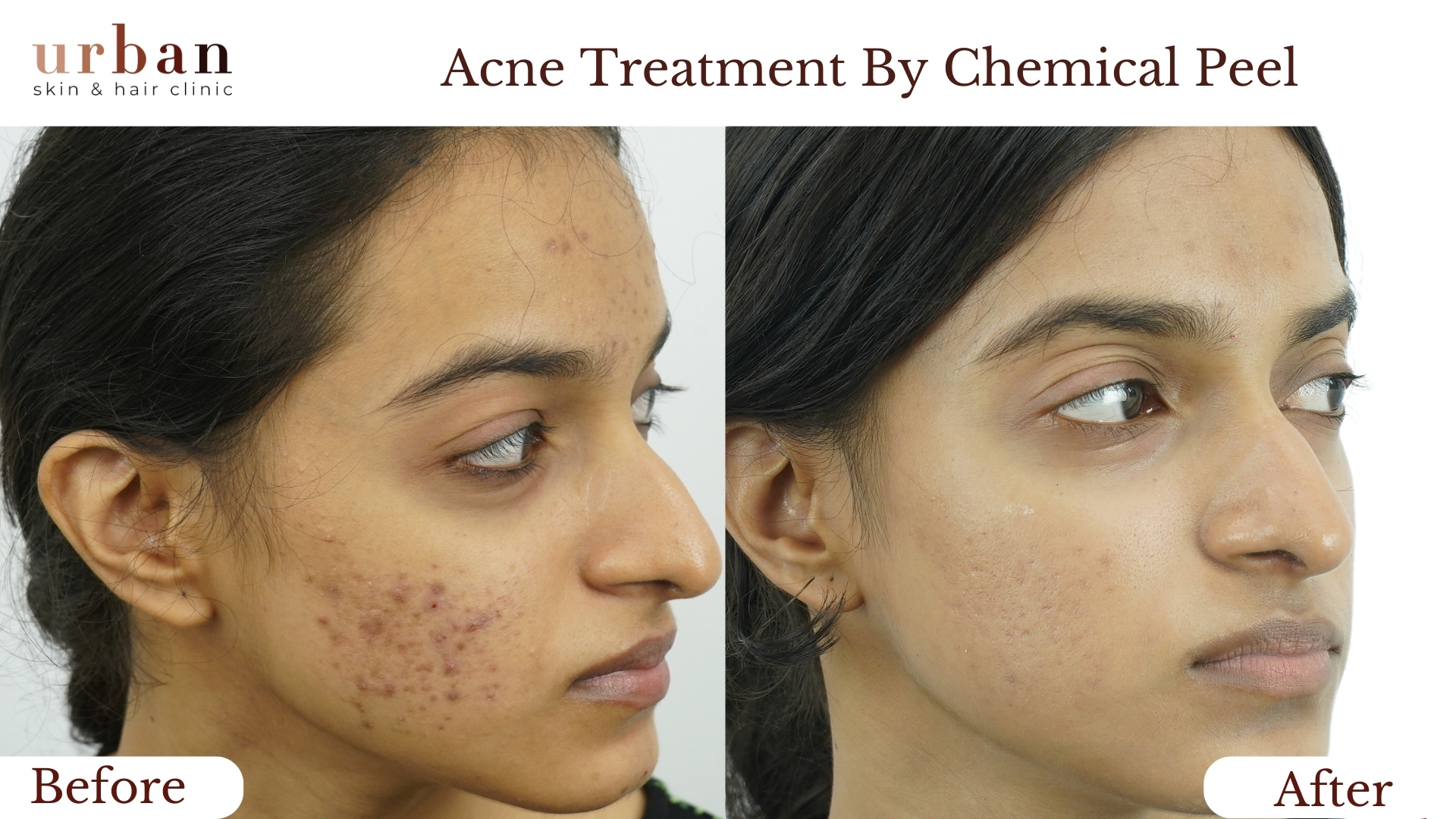
Shingles / Herpes Zoster Treatment Results Before & After

Benefits of Shingles / Herpes Zoster Treatment
Shingles (herpes zoster) treatment with antivirals like valacyclovir shortens rash duration, eases acute pain, and lowers postherpetic neuralgia risk.
Faster Rash Healing
Antivirals initiated within 72 hours accelerate lesion crusting by 1-2 days and reduce viral shedding, preventing spread.
Pain Reduction
Oral corticosteroids combined with antivirals decrease neuritis severity, improving comfort in 50-70% of cases.
PHN Prevention
Early therapy cuts postherpetic neuralgia incidence by 20-50%, especially in patients over 50.
Complication Avoidance
Reduces dissemination risk in immunocompromised individuals and ocular involvement via prompt intervention.
Popular Treatments for Shingles / Herpes Zoster
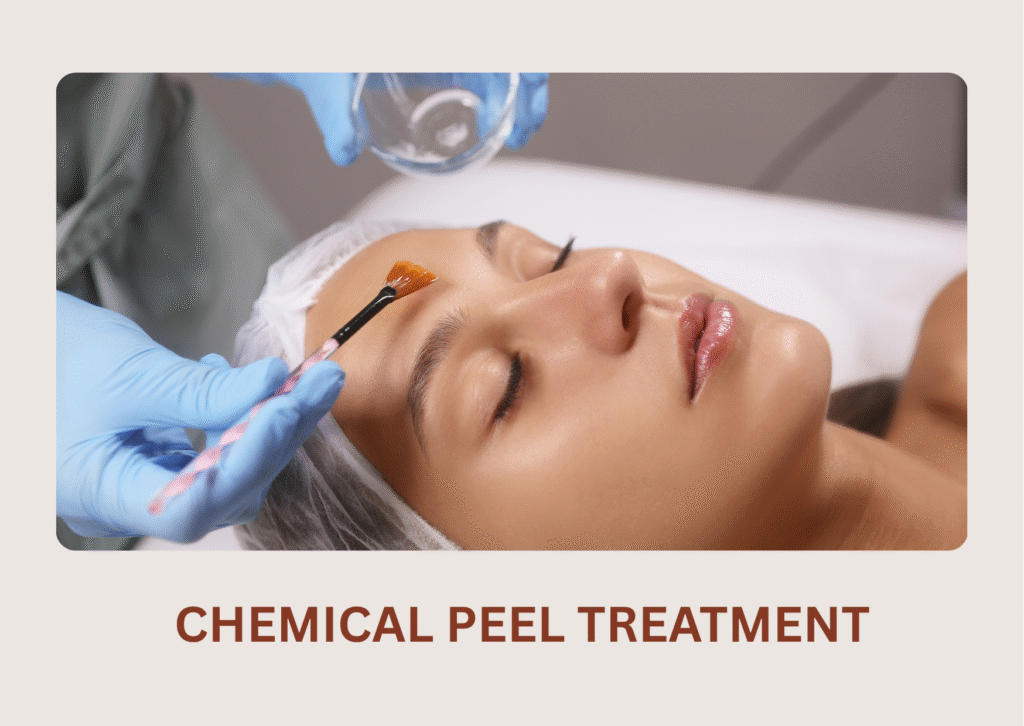
Clears active acne and brightens the skin by removing clogged, damaged surface layers.
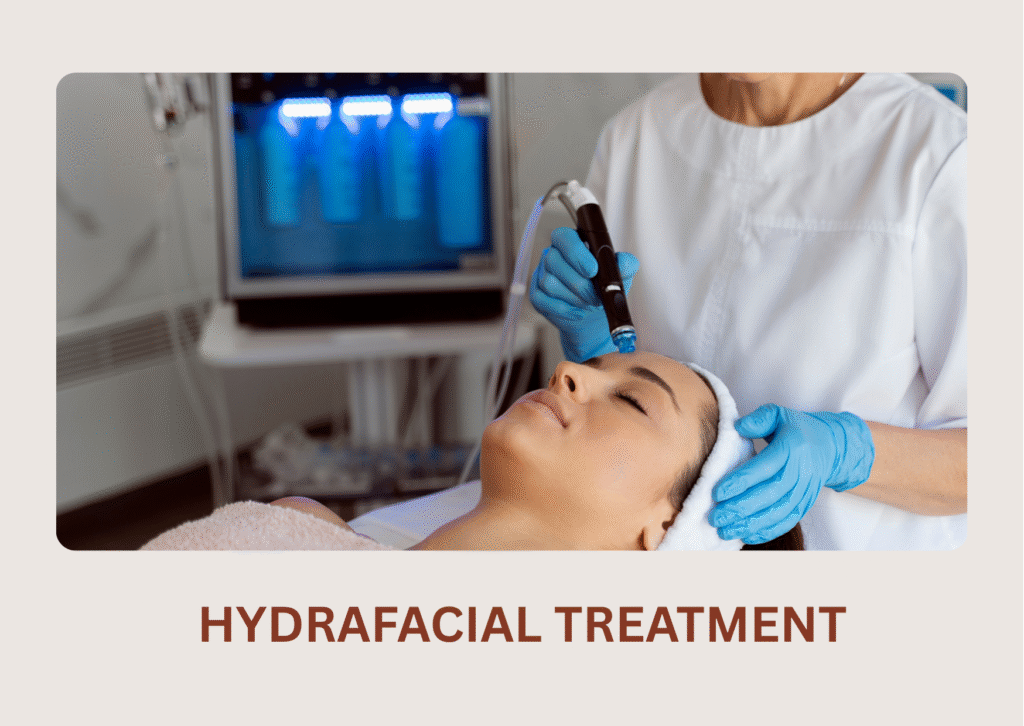
Deeply cleanses pores and reduces acne-causing oil and bacteria for clearer skin.
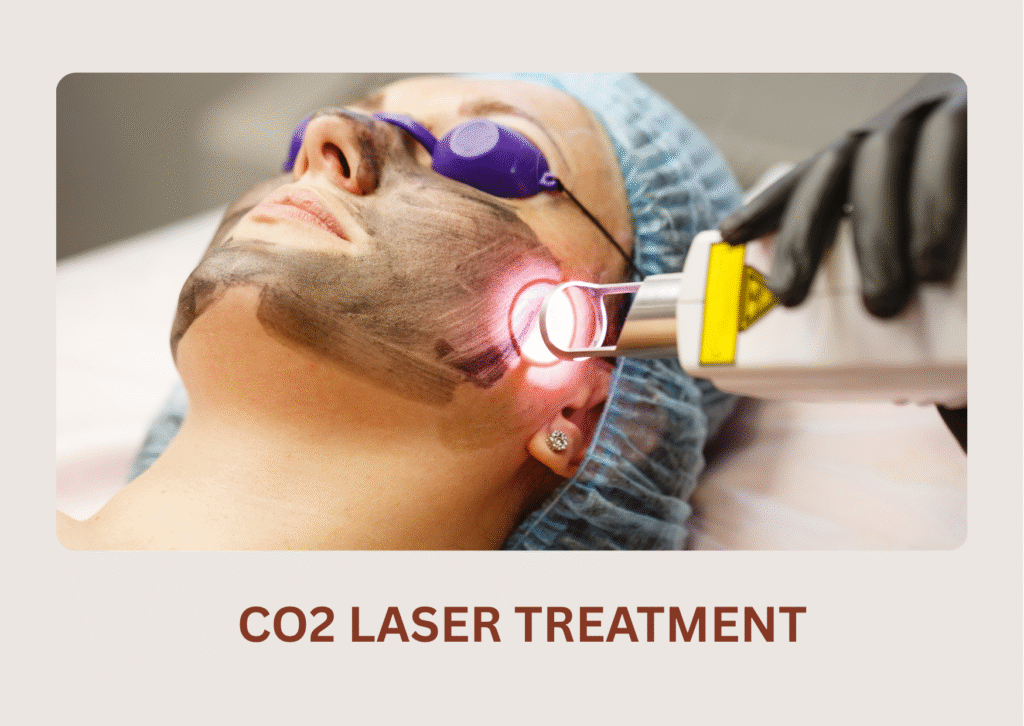
Helps reduce deep acne scars by resurfacing the skin for a smoother texture.
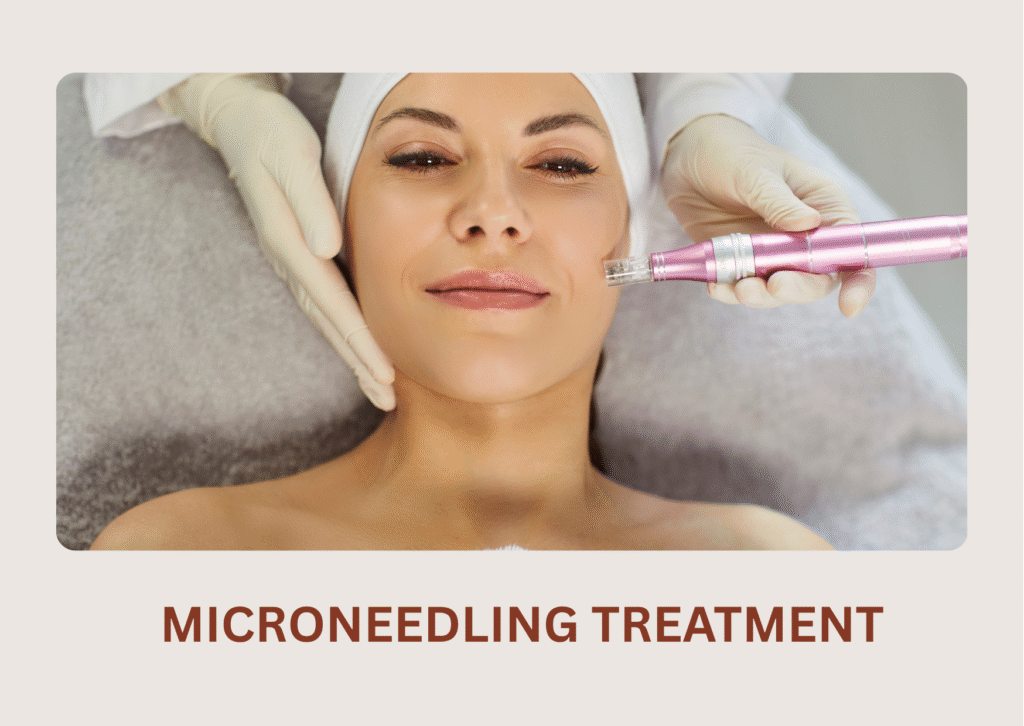
Stimulates collagen to reduce acne scars and improve overall skin texture.
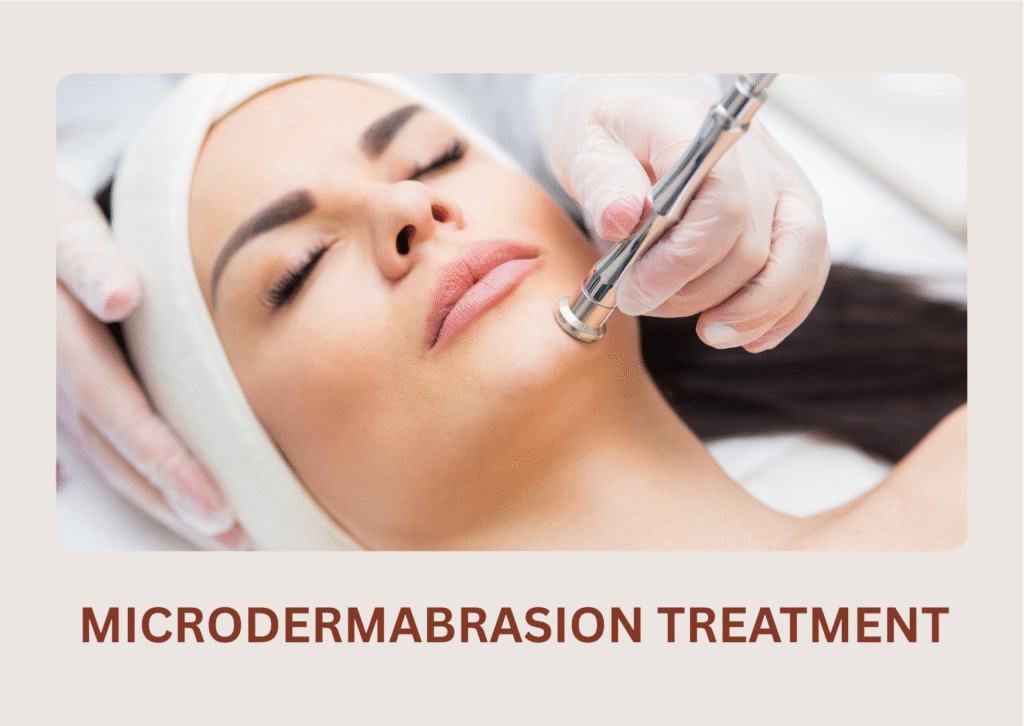
Gently exfoliates dead skin cells to prevent clogged pores and minimize mild acne.
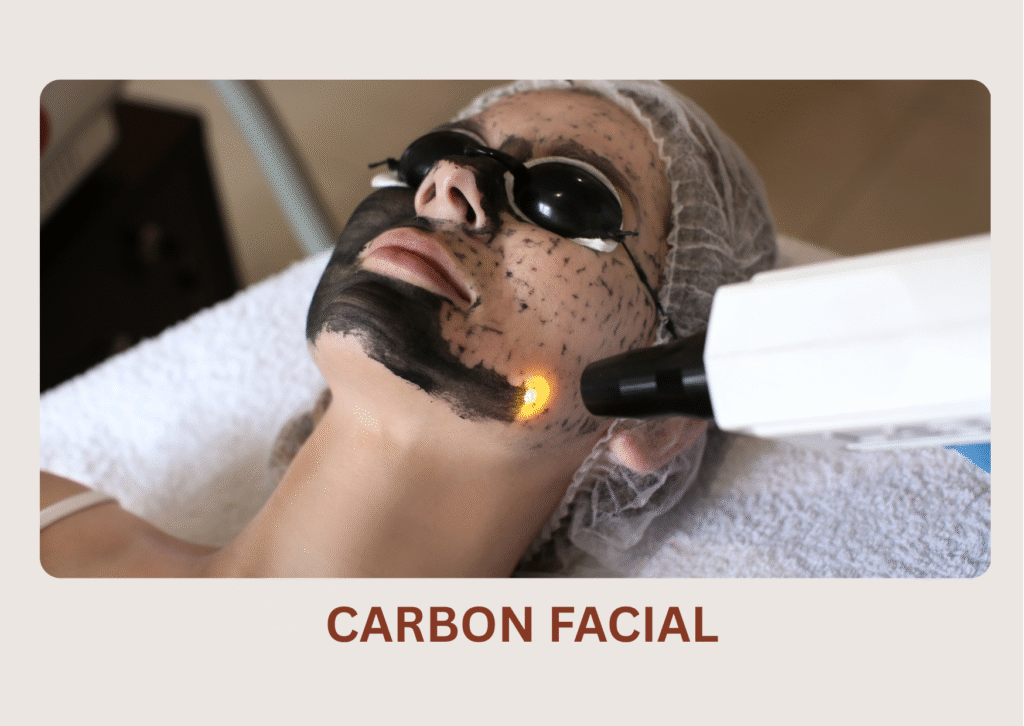
Controls excess oil, shrinks pores, and targets acne-causing impurities for clearer skin.
How To Prevent Shingles / Herpes Zoster?
Shingles (herpes zoster) prevention primarily relies on vaccination for those over 50 or immunocompromised, as the virus reactivates from prior chickenpox infection.
Vaccination Strategy
Two doses of Shingrix vaccine, given 2-6 months apart, provide over 90% efficacy against shingles and complications like postherpetic neuralgia.
Immune Support
Maintain a nutrient-rich diet, regular exercise, adequate sleep, and stress reduction to bolster immunity and lower reactivation risk.
Childhood Protection
Administer two-dose varicella vaccine to children starting at 12 months, reducing future shingles odds by up to 78%.
Contact Precautions
During active shingles, cover the rash and avoid contact with pregnant individuals, infants, or immunocompromised people to prevent chickenpox spread.
Consult a Specialist Today
Many of the techniques for preventing pimples may also be used to cure them. Eating well, avoiding stress, and not popping pimples may help manage zits and reduce their length. If your acne continues despite your best efforts, you may need prescription acne treatment. Consult your dermatologist if you’re uncertain about treatment.
FAQ's
Shingles results from varicella-zoster virus reactivation after dormant infection from prior chickenpox, triggered by age-related immune decline or stress.
Shingles itself isn’t contagious, but the rash can transmit VZV to non-immune people, causing chickenpox—not shingles.
Initial signs include burning pain, tingling, or itching in a dermatome (band-like area) 1-5 days before the red, blistered rash appears.
Adults over 50, immunocompromised individuals (HIV, cancer, transplants), and those never vaccinated against chickenpox face elevated risk.
Yes, about 4-6% experience recurrence, higher in immunocompromised patients due to persistent viral reservoirs.