


Clear, Healthy & Confident Skin with Vitiligo Treatment
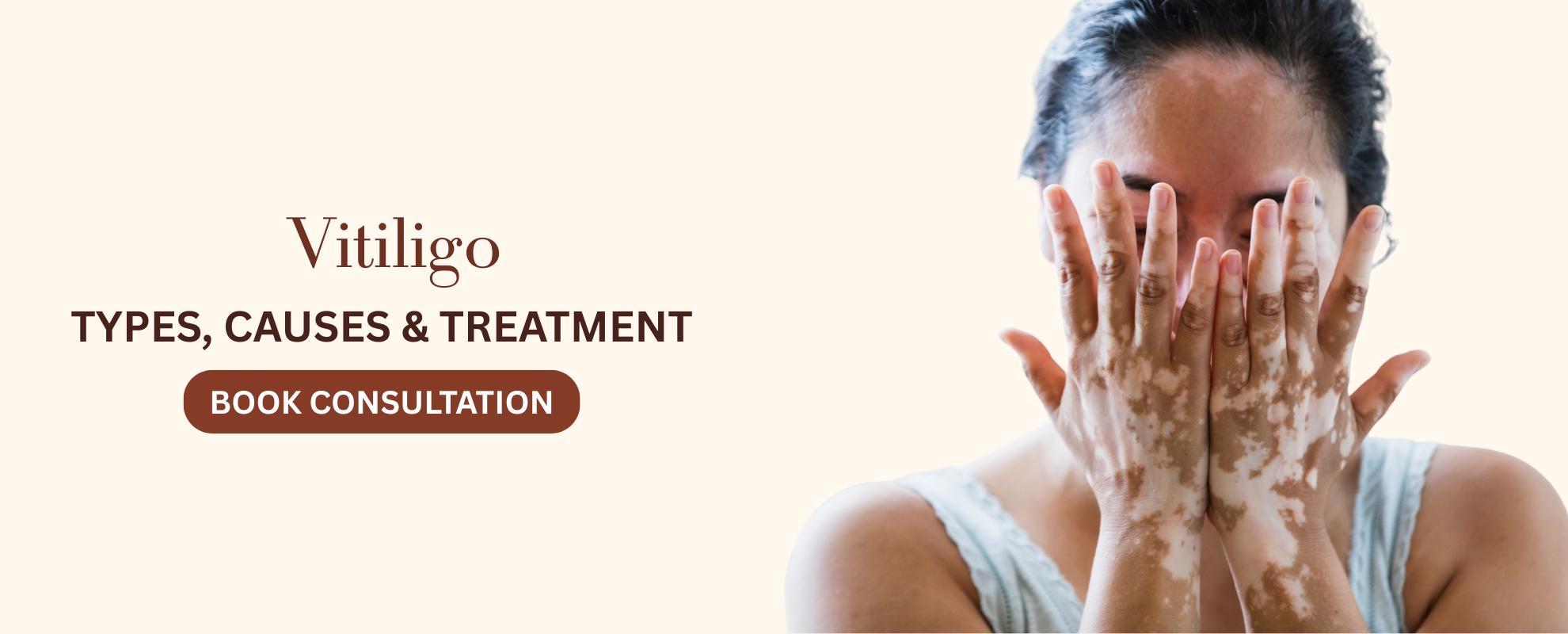
Vitiligo Treatment Pune, Vitiligo is a long-term skin condition characterized by the loss of pigmentation in certain areas of the skin, resulting in white patches or spots. It occurs when melanocytes, the cells responsible for producing the pigment melanin, are destroyed or unable to function correctly. As a result, the affected skin lacks color and appears white or depigmented.
The exact cause of vitiligo is not fully understood, but it is believed to involve a combination of genetic, autoimmune, and environmental factors. It is not contagious or life-threatening, but it can significantly impact a person’s appearance and self-esteem, mainly if the patches are visible on the face, hands, or other prominent areas of the body.
Symptoms and Causes
What Are The Common Signs & Symptoms Of Vitiligo
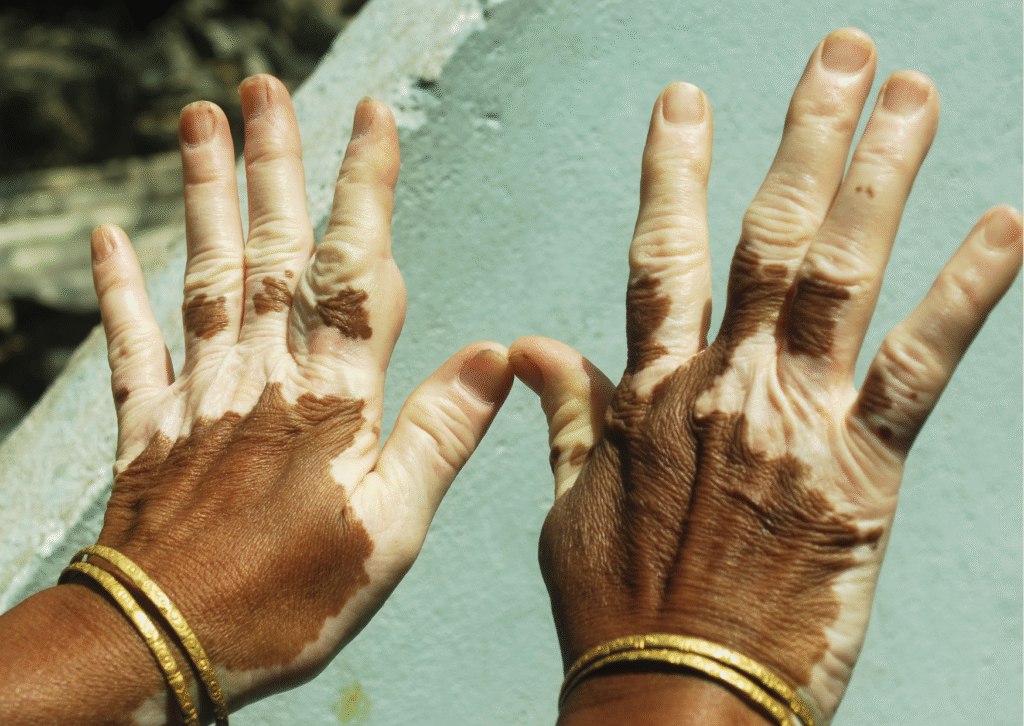
Vitiligo Treatment pune, The primary symptom of vitiligo is the presence of white patches or depigmented areas on the skin. These patches are usually more noticeable in individuals with darker skin tones. The patches can occur on any part of the body, but they commonly appear on the face, hands, feet, arms, and areas exposed to the sun. The symptoms of vitiligo can vary from person to person, and the condition may progress slowly or rapidly.
- Loss of Skin Color: The affected areas lack pigmentation and appear white or lighter than the surrounding skin. The edges of the patches may be well-defined or irregular.
- Symmetry: In many cases, in a symmetrical pattern, vitiligo patches appear on both sides of the body. For example, if a patch is present on the one hand, a similar patch may develop on the other hand.
- Rapid Pigment loss: In some instances, vitiligo can progress rapidly, resulting in the appearance of new white patches within a short period.
- Premature Graying Or Whitening Of Hair: Individuals with vitiligo may experience premature graying or whitening of the hair on the scalp, eyebrows, eyelashes, or other affected areas.
- Loss of Color In Mucous Membranes: In mucosal vitiligo, depigmentation can also affect the mucous membranes, such as the inside of the mouth, nose, and genitalia. This may result in the loss of color in these areas.
- Sensitivity To Sunlight: The depigmented skin areas may be more sensitive to sunlight and prone to sunburns. Sun protection measures, such as sunscreen and protective clothing, are often recommended.


What Causes Vitiligo?
- Autoimmune Disorder: It is thought that vitiligo may be an autoimmune disorder in which the body’s immune system mistakenly attacks and destroys the melanocytes, the cells responsible for producing pigment in the skin.
- Genetic Factors: There is evidence to suggest that genetic factors play a role in the development of vitiligo. It has found that individuals with a family history of vitiligo are at a higher risk of developing the condition.
- Neurochemical Factors: Some studies have proposed that neurochemicals, such as neurotransmitters, may be involved in developing vitiligo. These substances can potentially damage melanocytes and contribute to the loss of pigmentation.
- Oxidative Stress: Increased oxidative stress in the body, caused by an imbalance between the production of harmful free radicals and the body’s antioxidant defenses, has been suggested as a possible factor in vitiligo development.
- Environmental Triggers: Certain environmental factors may trigger vitiligo in individuals genetically predisposed to the condition. These triggers can include sunburns, exposure to chemicals, emotional stress, and physical trauma to the skin.
- Other Medical Conditions: Vitiligo is associated with other autoimmune disorders, such as thyroid dysfunction, diabetes, and pernicious anemia. These conditions may increase the risk of developing vitiligo.

What Are The Types Of Vitiligo
- Generalized Vitiligo is the most common type, accounting for 70-80% of cases. In generalized vitiligo, depigmented patches appear symmetrically on both sides of the body, often involving the face, hands, feet, and other areas. It can progress slowly over time.
- Segmental Vitiligo: This type typically affects only one side or a specific segment of the body, such as the face, trunk, or limbs. Segmental vitiligo tends to occur at a younger age, progresses for a period, and then stabilizes. It is less common than generalized vitiligo.
- Focal Vitiligo: Focal vitiligo is characterized by a few isolated white patches in specific body areas. It is often stable and does not spread or progress over time.
- Mucosal Vitiligo: Mucosal vitiligo affects the mucous membranes, such as the inside of the mouth, nose, and genitalia. It can occur in conjunction with other types of vitiligo or on its own.
- Universal Vitiligo: This is a rare and severe form of vitiligo where depigmentation covers most of the body, including large areas of the face, trunk, and extremities. Universal vitiligo can significantly impact the individual’s quality of life.
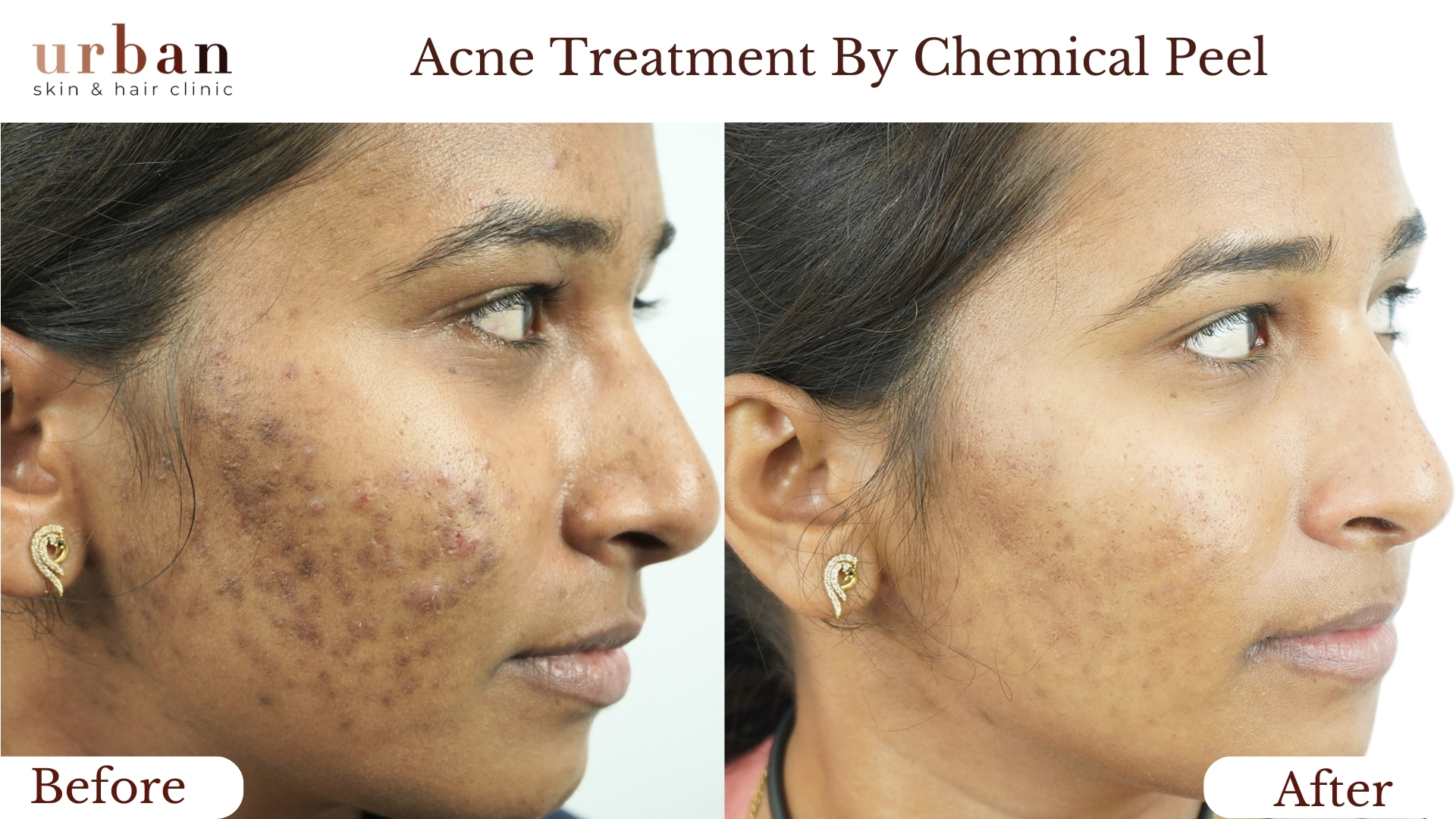
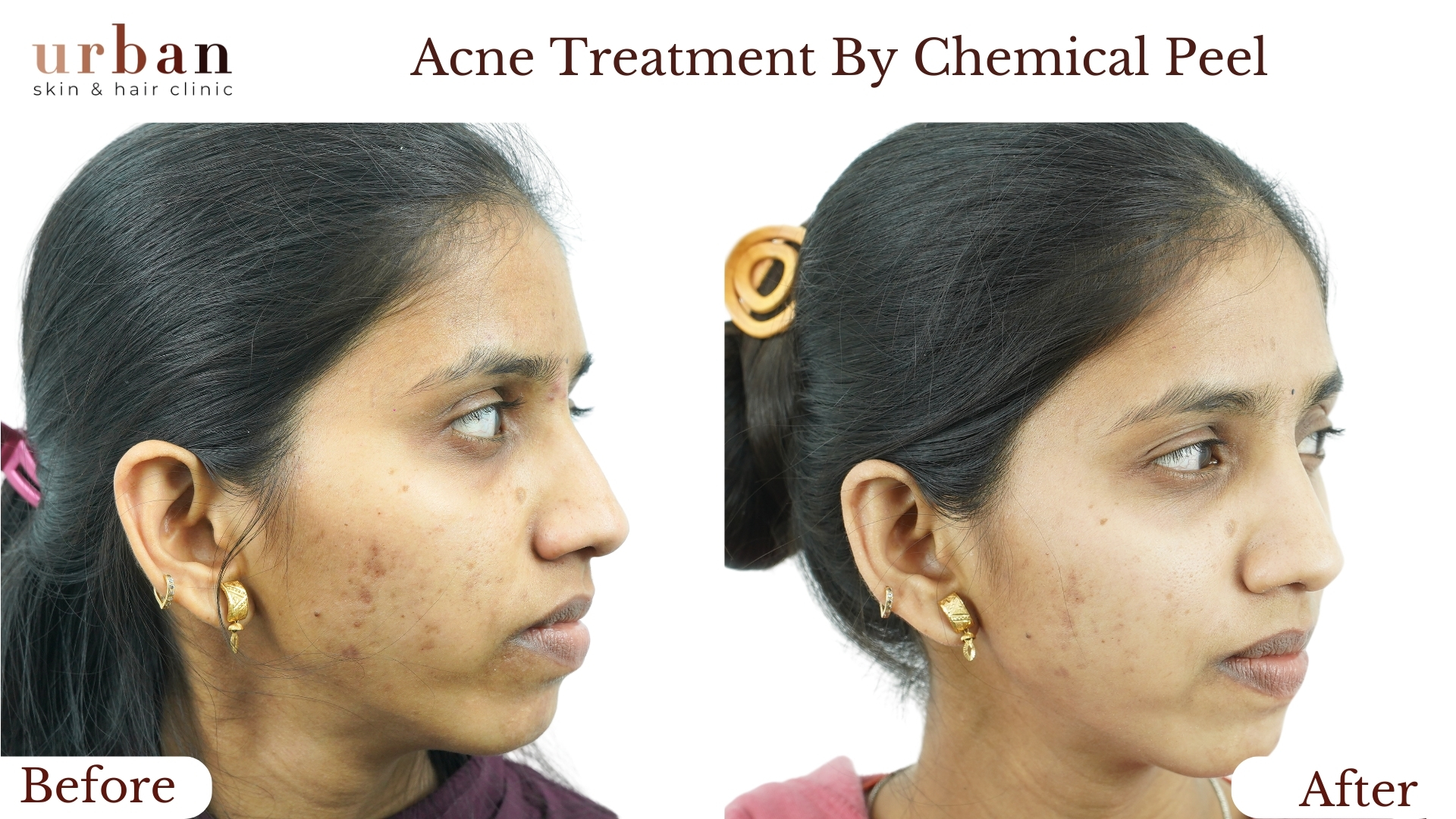
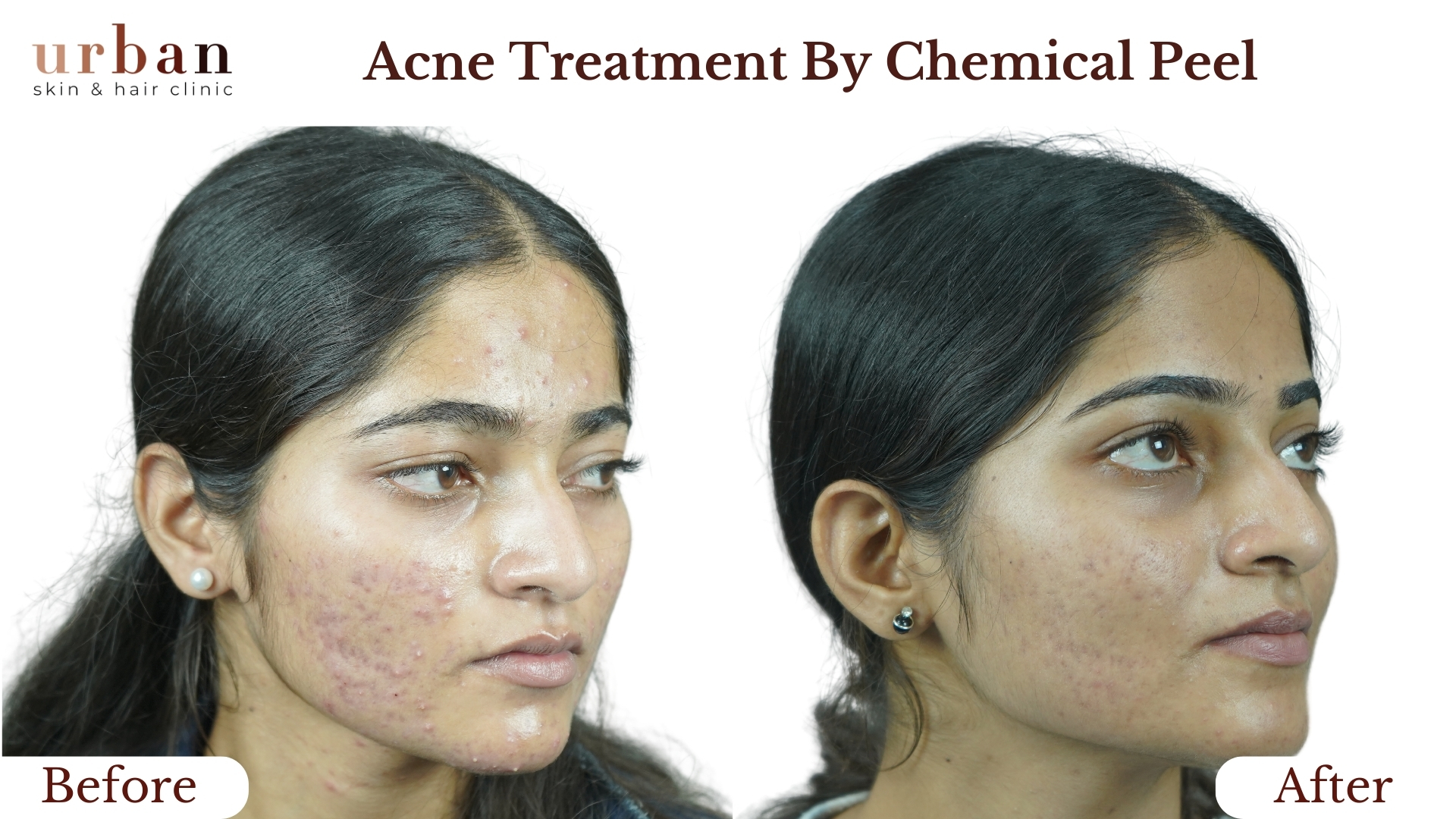
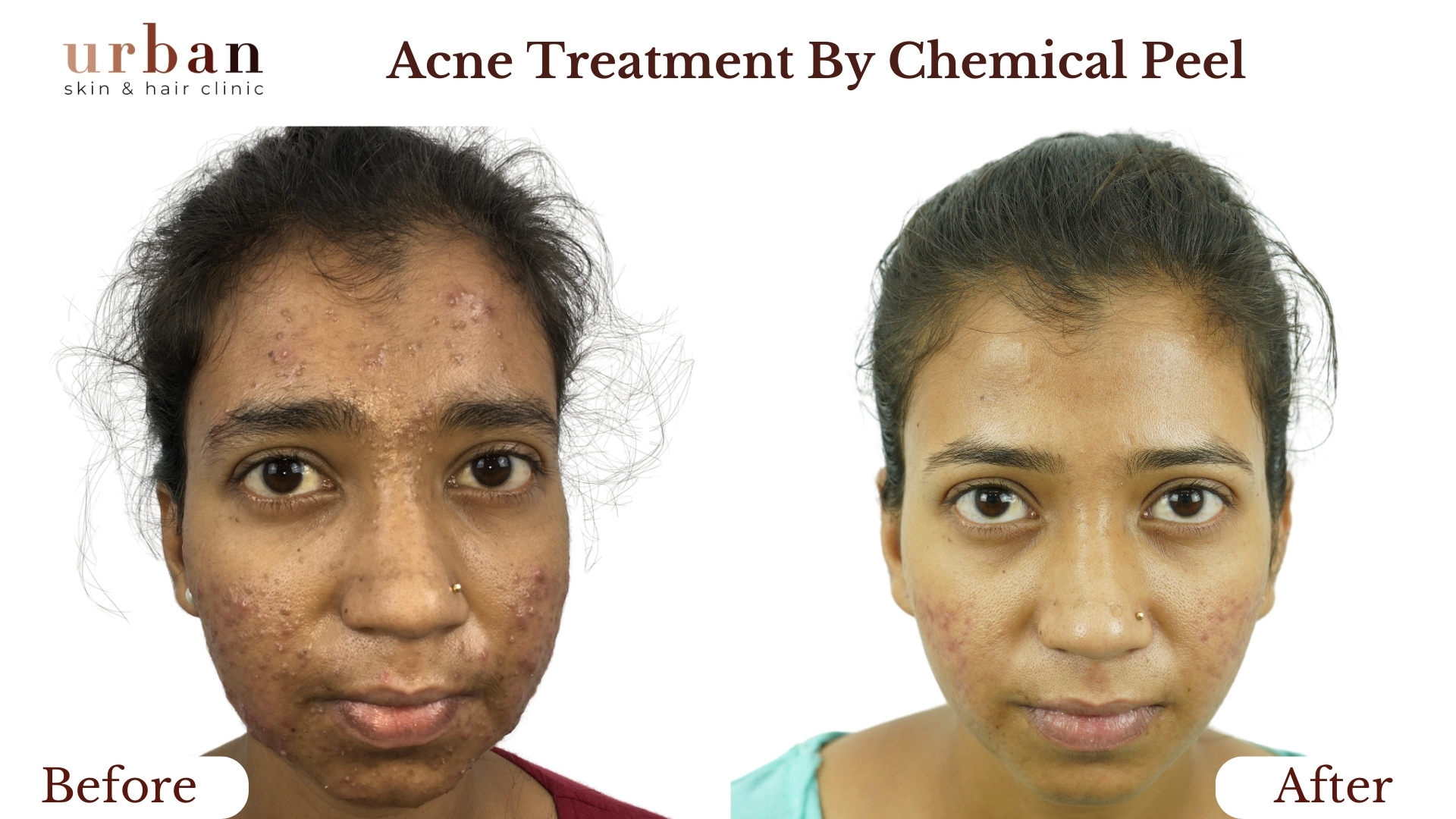
Vitiligo Treatment Results Before & After
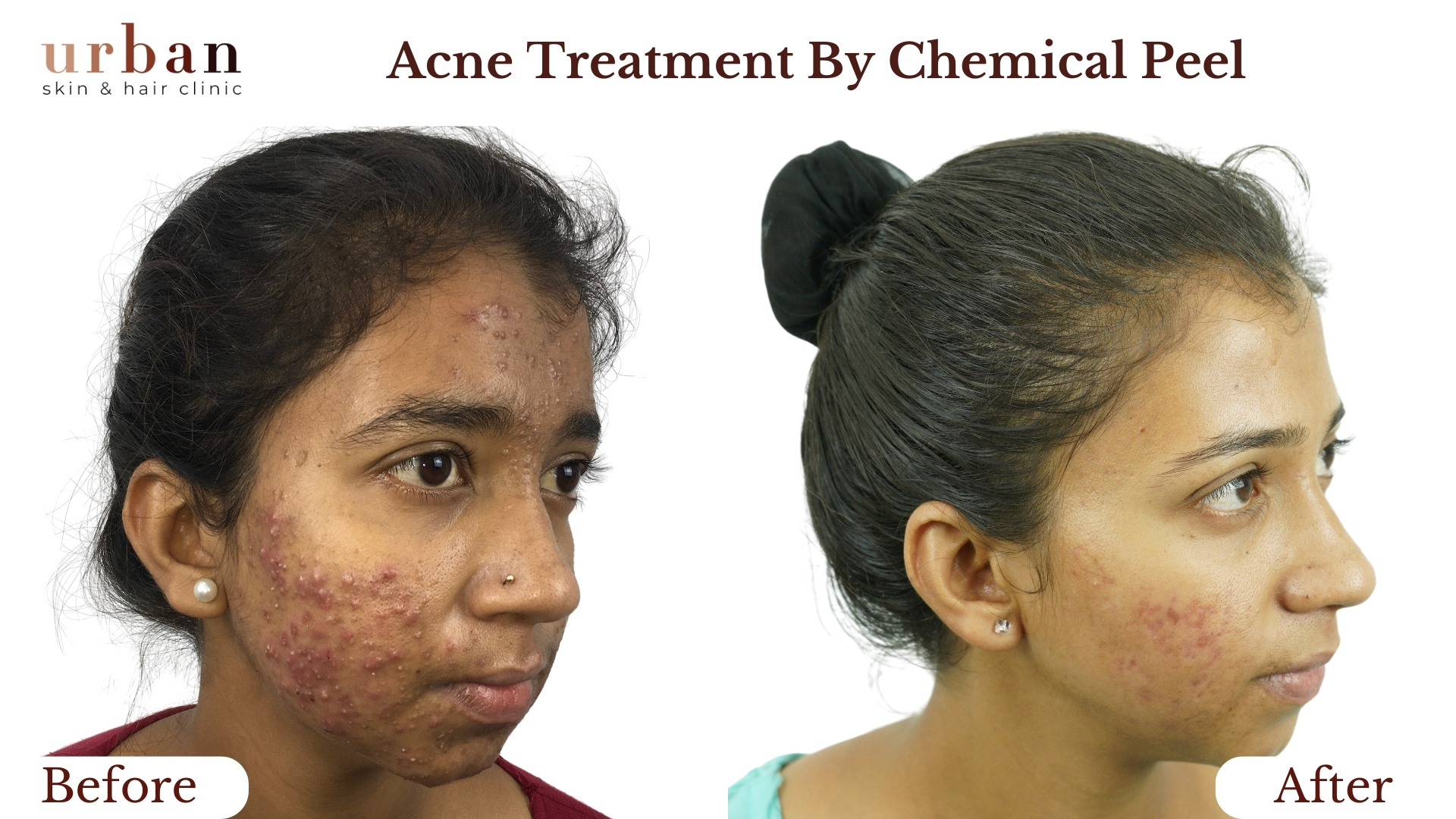
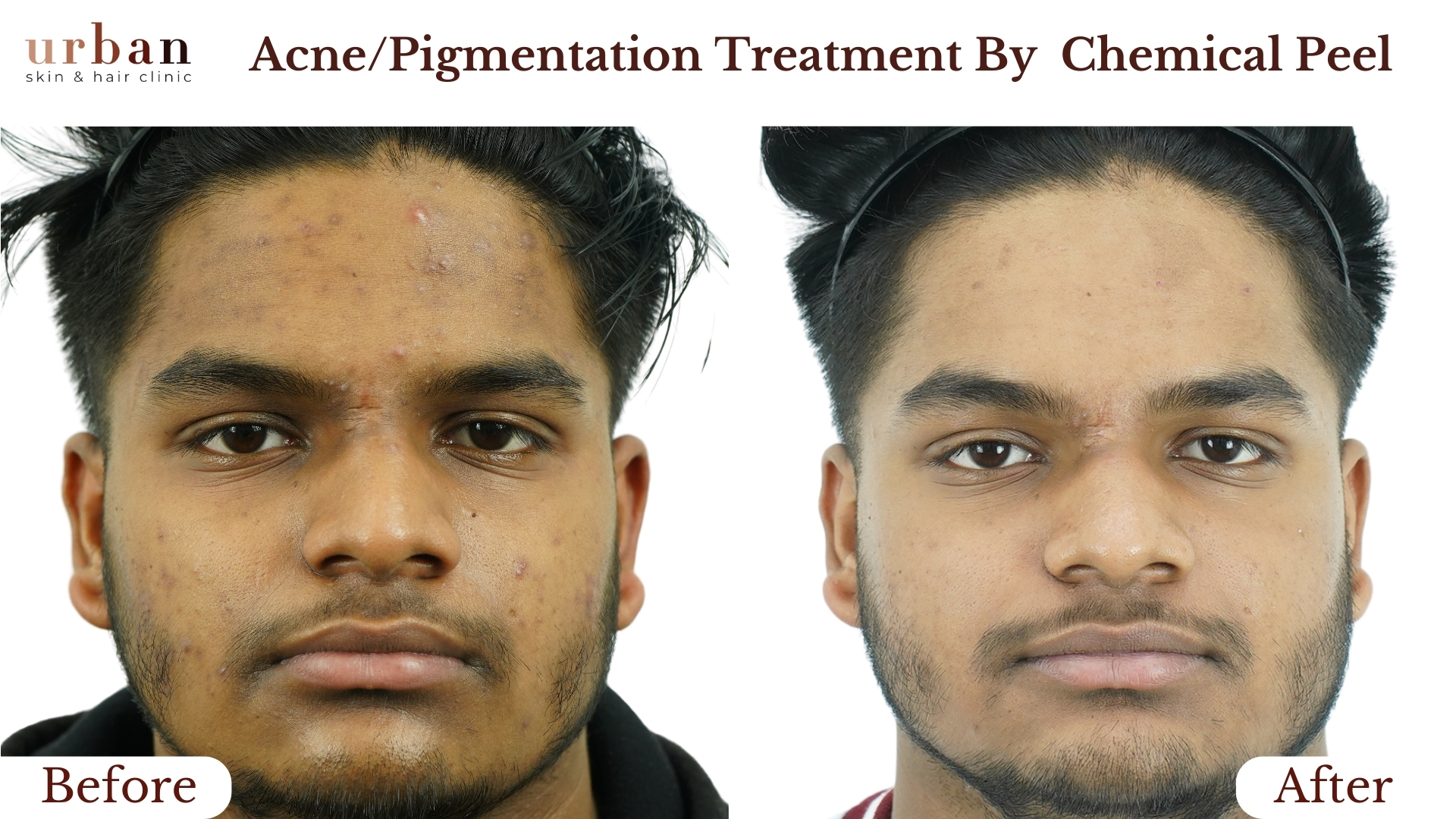
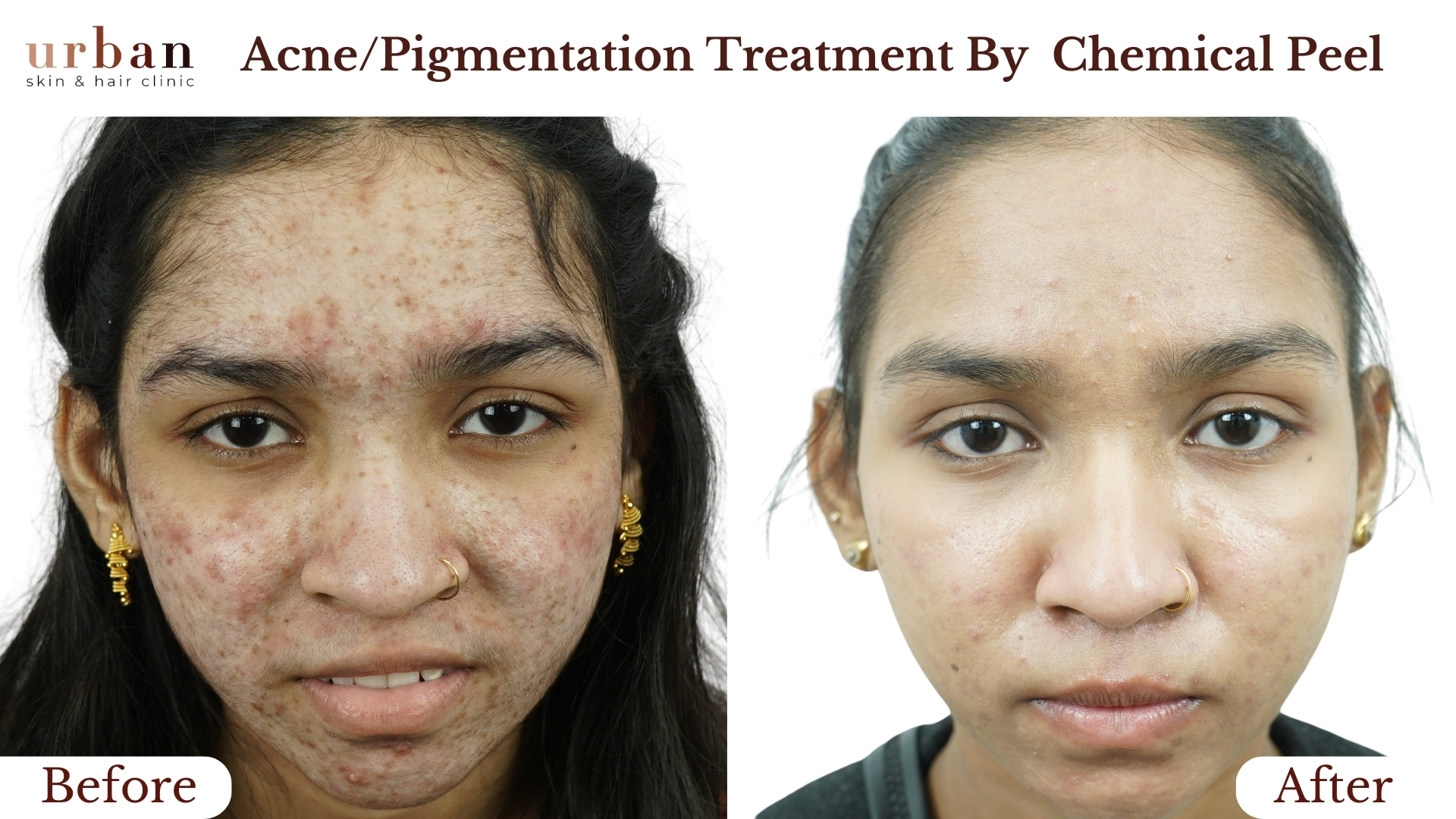

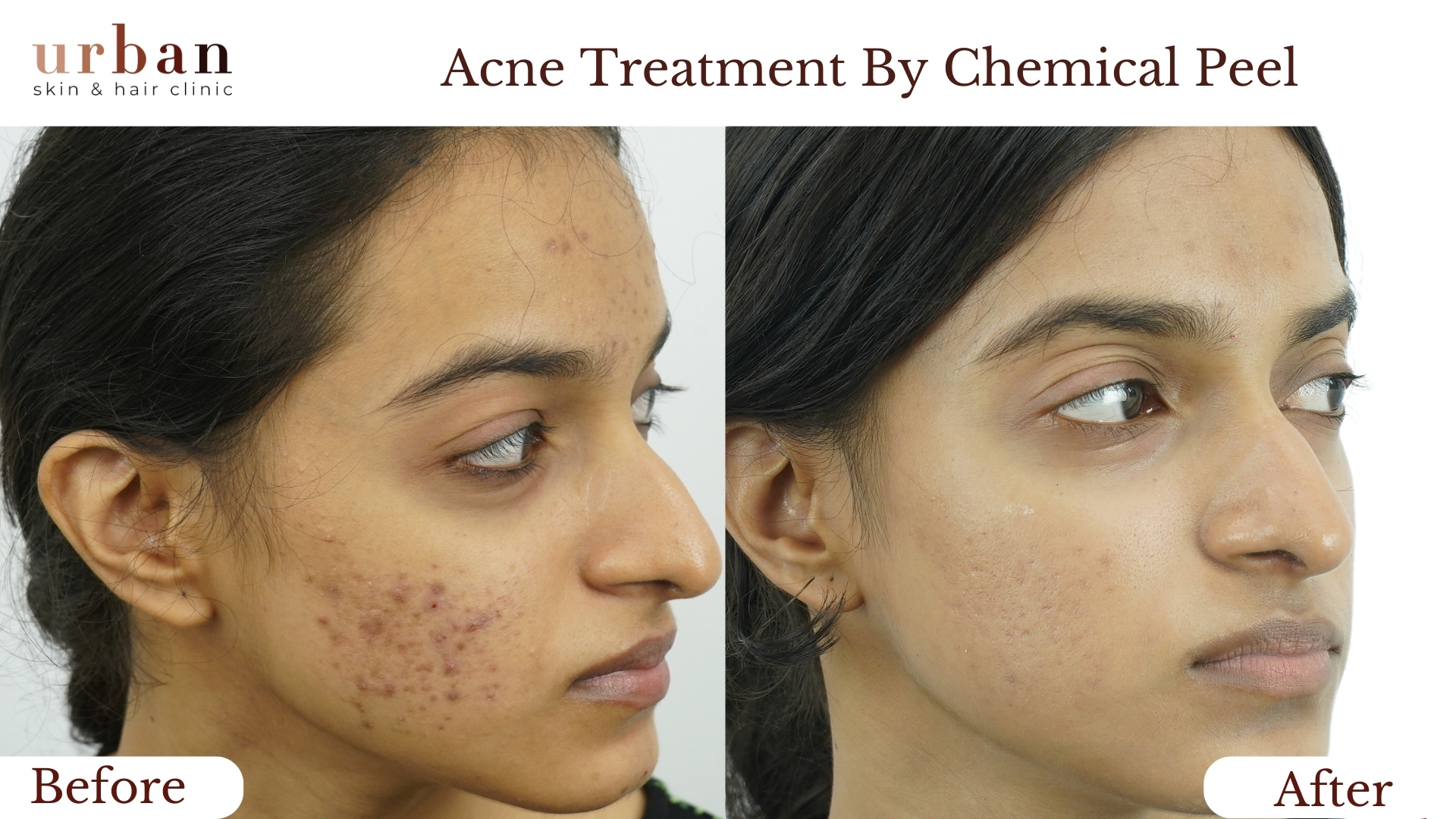
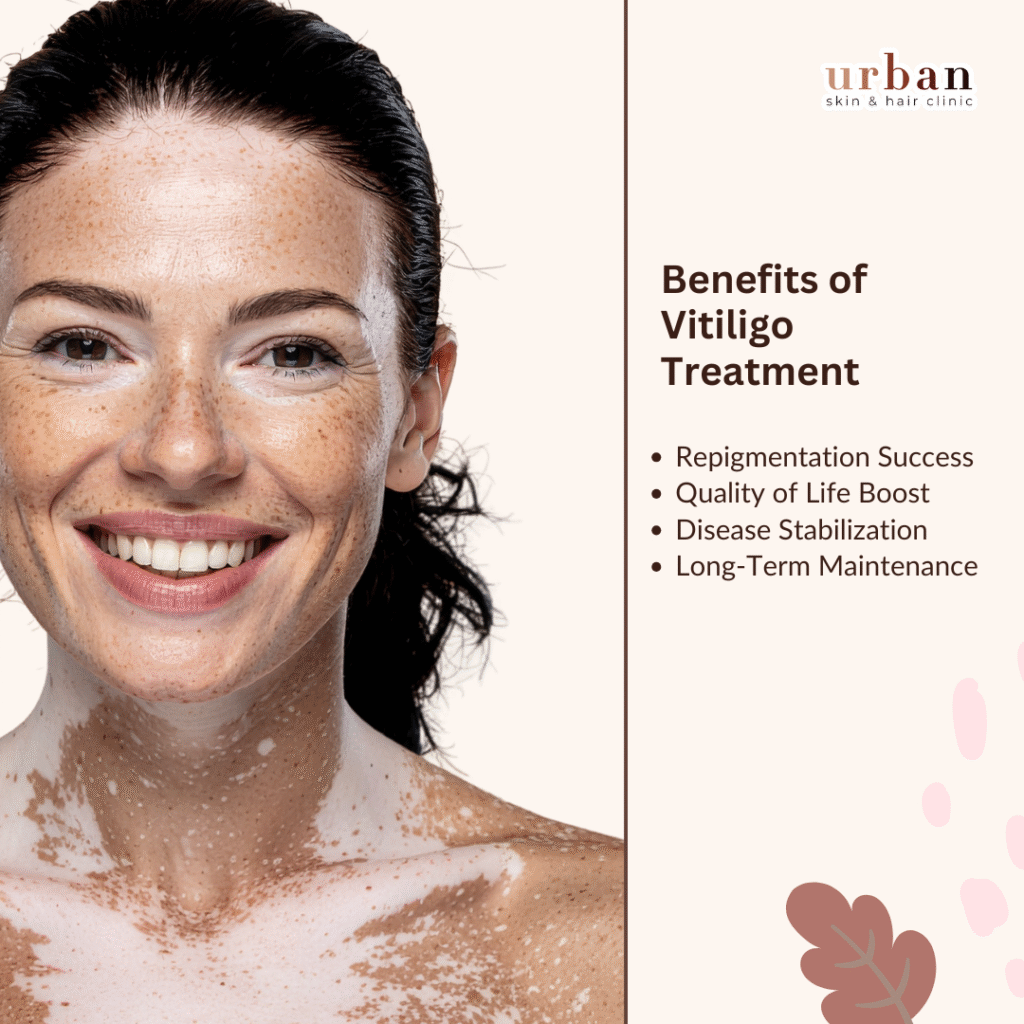
Benefits of Vitiligo Treatment
vitiligo Treatment pune, Vitiligo treatment restores pigment through therapies like phototherapy, topicals, and JAK inhibitors, improving skin uniformity.
Repigmentation Success
Narrowband UVB achieves 75% mild-moderate repigmentation in 6-12 months, with face/neck responding best at 44% marked improvement.
Quality of Life Boost
Reduces emotional distress from visible patches, enhancing confidence; patient satisfaction prioritizes cosmetic blending over full coverage.
Disease Stabilization
Topicals and biologics halt progression in active cases, preventing spread; combination therapies yield 70% facial improvement.
Long-Term Maintenance
Early intervention maintains gains, with RECELL surgery showing >80% repigmentation in one-third of patients at 6 months.
Popular Treatments for Vitiligo
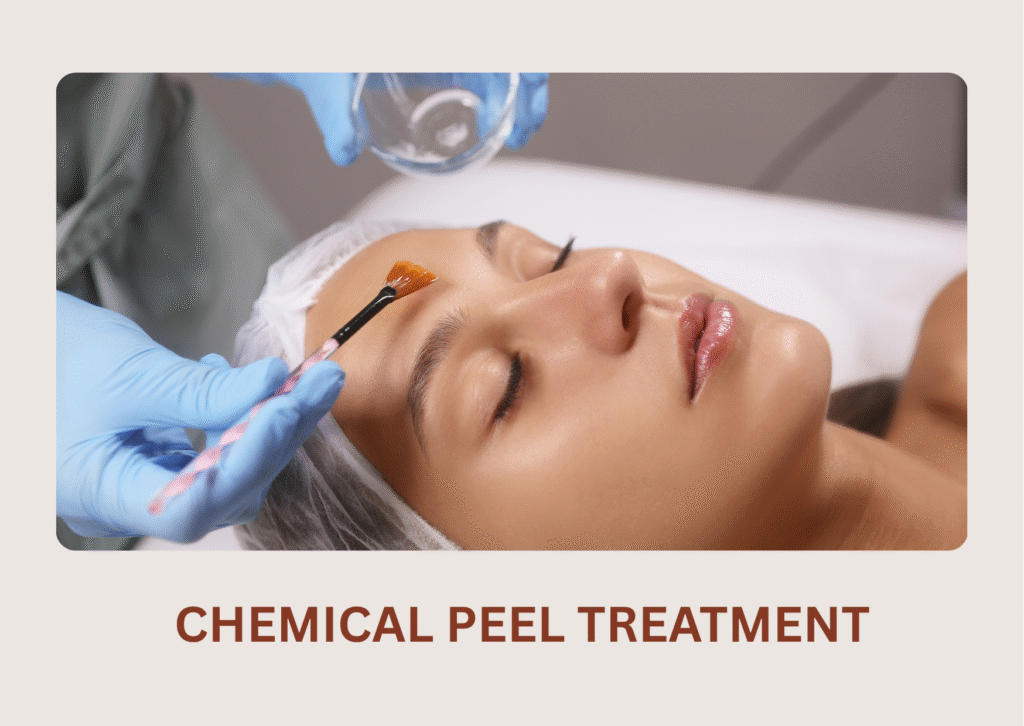
Clears active acne and brightens the skin by removing clogged, damaged surface layers.
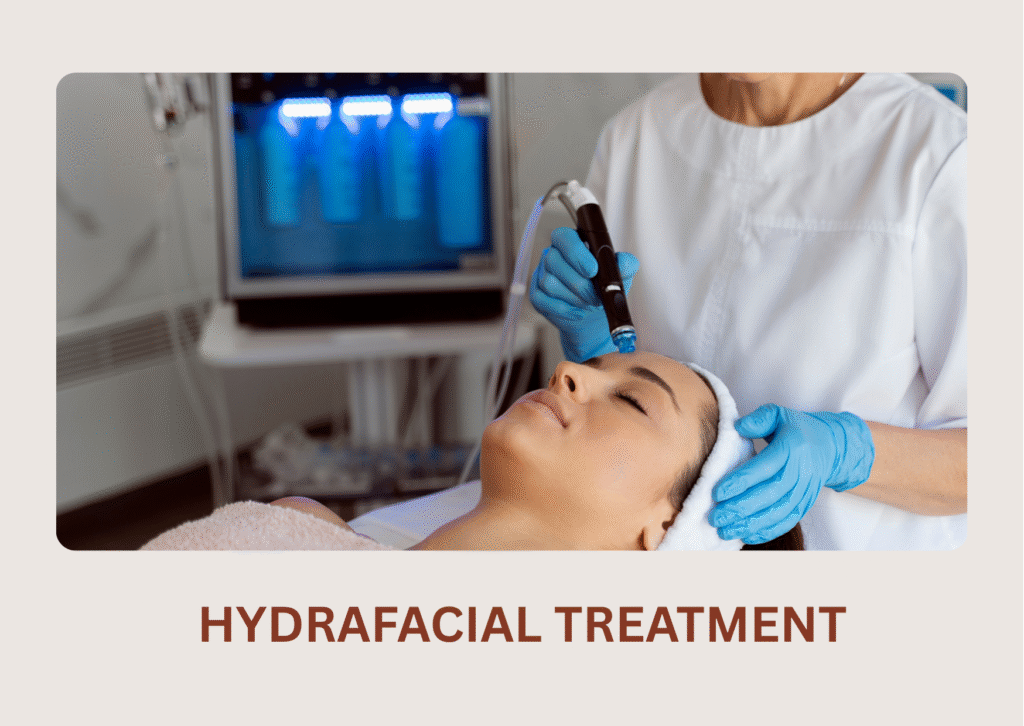
Deeply cleanses pores and reduces acne-causing oil and bacteria for clearer skin.
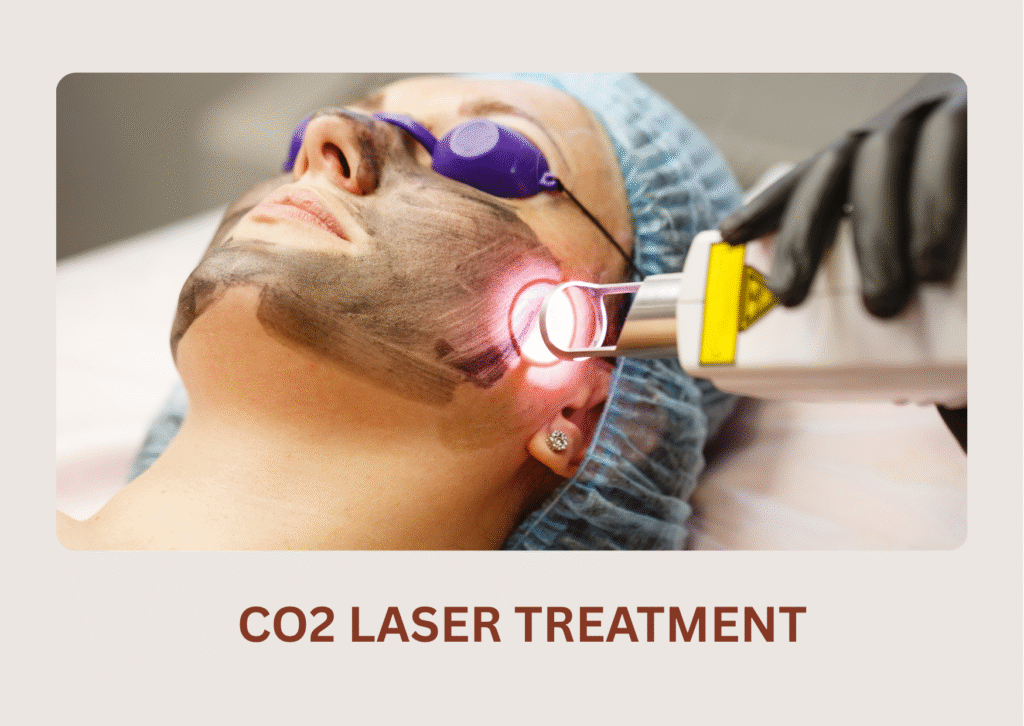
Helps reduce deep acne scars by resurfacing the skin for a smoother texture.
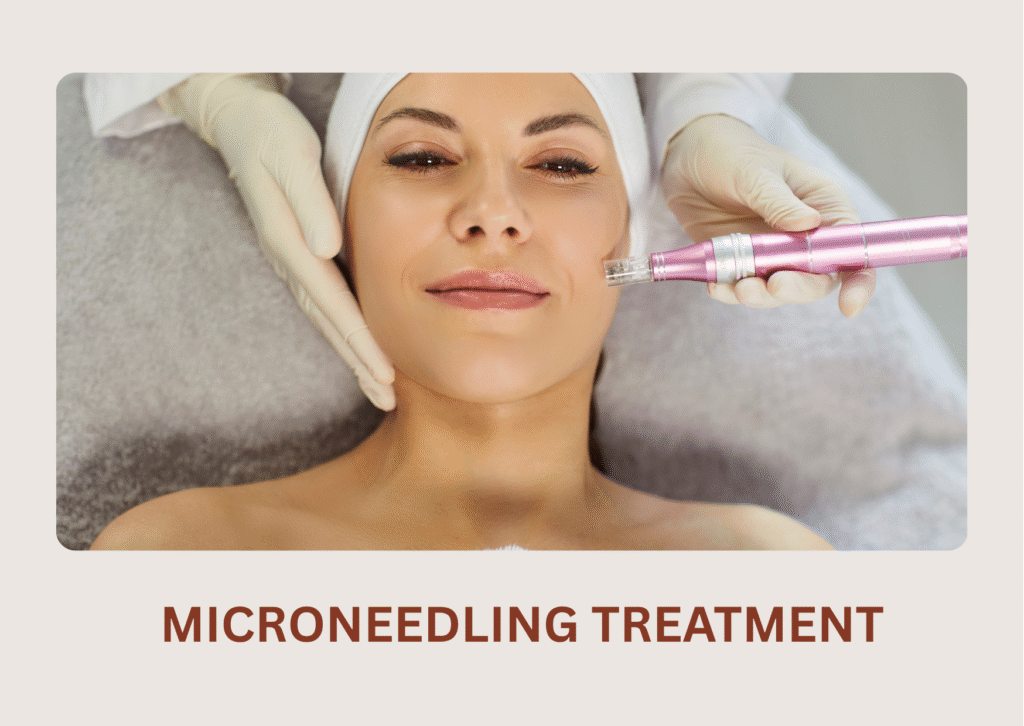
Stimulates collagen to reduce acne scars and improve overall skin texture.
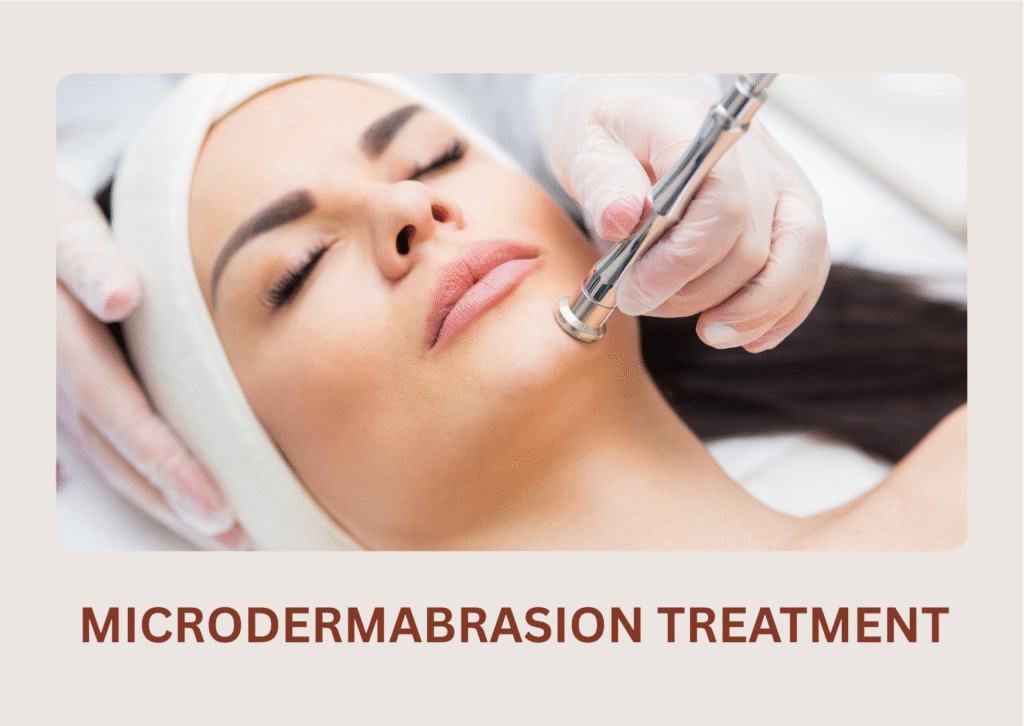
Gently exfoliates dead skin cells to prevent clogged pores and minimize mild acne.
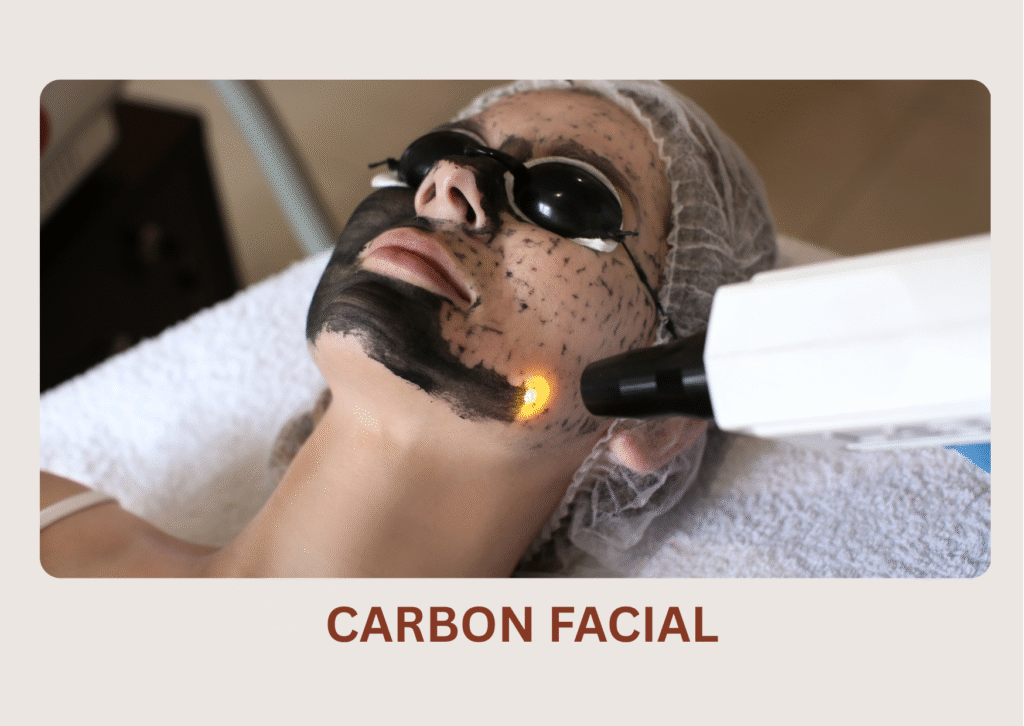
Controls excess oil, shrinks pores, and targets acne-causing impurities for clearer skin.
How To Prevent Vitiligo?
Vitiligo cannot be fully prevented due to its autoimmune and genetic roots, but progression and new patches can be minimized through skin protection and lifestyle measures.
Sun Protection
Apply broad-spectrum SPF 30+ sunscreen daily, wear protective clothing and hats, and avoid peak sun hours to prevent burns that trigger depigmentation.
Avoid Skin Trauma
Protect against cuts, burns, or friction (Koebner phenomenon) with gentle care; cover injuries promptly to halt spread.
Stress Management
Practice yoga, meditation, or mindfulness daily, as stress exacerbates autoimmune attacks on melanocytes.
Antioxidant Diet
Consume vitamin C-rich foods (citrus, berries), zinc (nuts), and omega-3s (fish) to support melanocyte health and reduce oxidative stress.
Consult a Specialist Today
Many of the techniques for preventing pimples may also be used to cure them. Eating well, avoiding stress, and not popping pimples may help manage zits and reduce their length. If your acne continues despite your best efforts, you may need prescription acne treatment. Consult your dermatologist if you’re uncertain about treatment.
FAQ's
Vitiligo results from autoimmune attack on pigment cells, triggered by genetics, stress, chemicals, or sunburn; it often starts before age 20.
No, vitiligo spreads via immune dysfunction, not contact; patches appear symmetrically on face, hands, or body without infecting others.
Yes, non-segmental type progresses in cycles, enlarging patches or adding new ones; segmental stabilizes after 1-2 years.
No full cure exists, but treatments like phototherapy or JAK inhibitors repigment 50-75% of cases, especially early facial patches.
Genetic factors raise risk (23% family history), but environment triggers onset; it’s not directly passed like a dominant trait.